

When Stress and Anxiety Counseling Can Help
If stress or worry keeps you from sleeping, focusing, or doing everyday tasks, stress and anxiety counseling is a good next step. A licensed therapist can help you understand what sets off your anxiety and practice skills to manage it. You do not need to wait until you have a diagnosis to ask for help.
Stress often eases when a tough situation passes. When worry stays with you or starts shaping your choices, support can make a difference. Collective Counseling Solutions can help you find a licensed therapist who accepts your insurance plan and offers in-person or online counseling, depending on provider availability.
Stress, Worry, and Anxiety: Recognizing the Key Differences
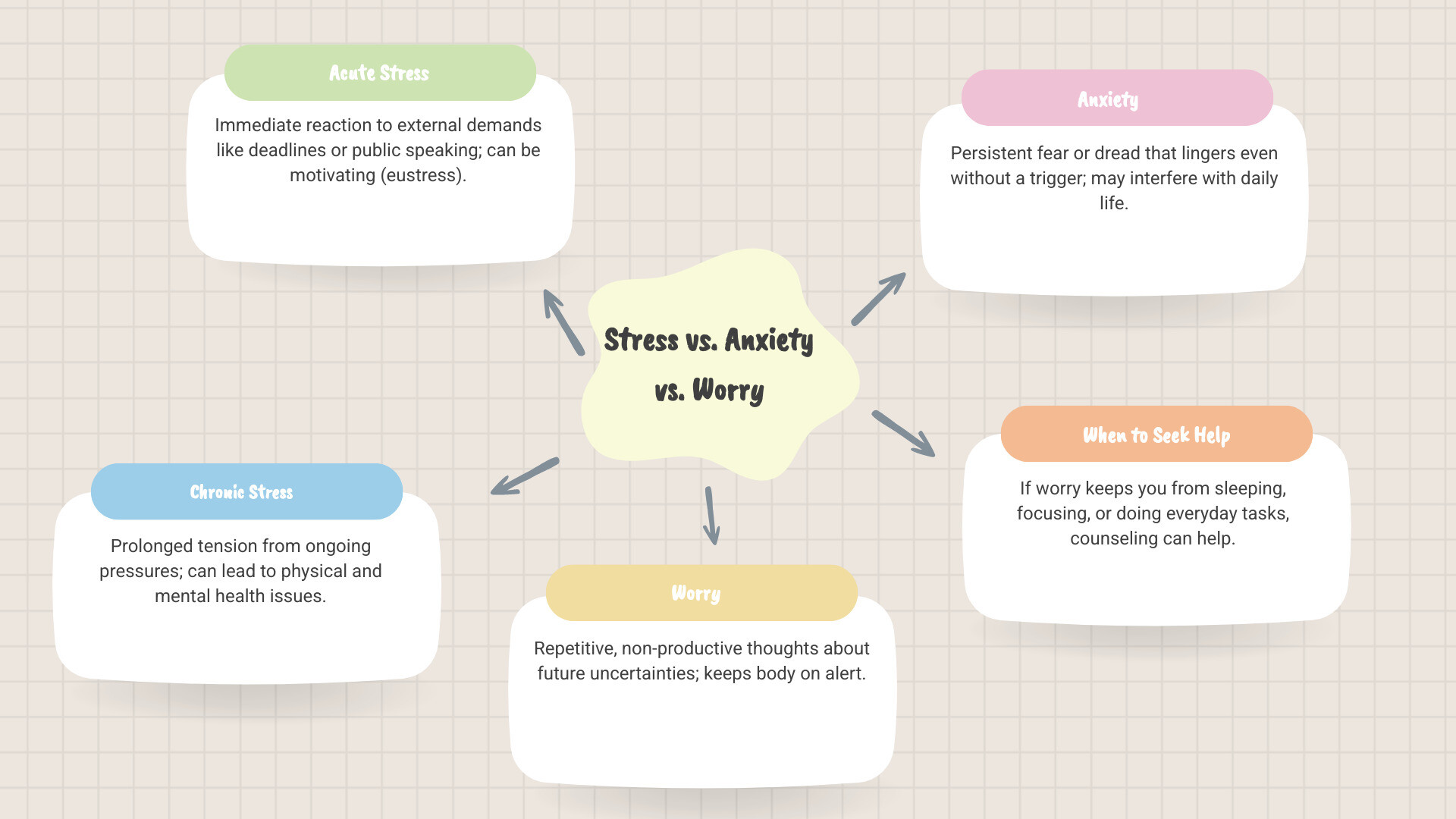
Understanding the emotional landscape begins with distinguishing between stress, worry, and clinical anxiety. Acute stress is an immediate reaction to an external demand, such as meeting a tight work deadline, balancing a budget, or speaking in public. In some cases, stress serves as positive motivation, often called eustress, which sharpens focus and enhances short term performance.
Worry, by contrast, lives primarily in the mind. It is characterized by repetitive, non productive thoughts about future uncertainties. While occasional worry is a natural human experience, sustained mental loops can keep the body on constant alert.
Stress and anxiety can activate the body’s stress-response systems, including the sympathetic nervous system and the hypothalamic-pituitary-adrenal (HPA) axis. These responses can increase heart rate, cause muscle tension, and affect digestion. Prolonged stress may contribute to ongoing physical and emotional symptoms. You can learn more about how stress impacts the body to see why ongoing strain creates physical fatigue.
While occasional worry is a normal response to uncertainty, persistent or excessive worry that is difficult to control may indicate an anxiety-related condition, particularly when it interferes with daily activities. An individual can explore comprehensive Stress and Anxiety Management Skills | Counseling Services to identify these patterns early.
Signs That Stress or Worry May Indicate an Anxiety Disorder
Persistent stress and excessive worry can sometimes overlap with symptoms of an anxiety disorder. Anxiety disorders involve fear or anxiety that is excessive or difficult to control and may interfere with everyday functioning. Symptoms can occur with or without an identifiable external stressor.
Common indicators that chronic strain has shifted into a clinical condition include:
- Uncontrollable, constant apprehension about multiple daily events
- Sleep disruption, including difficulty falling asleep or frequent waking
- Physical complaints like muscle tension, digestive upset, and tension headaches
- Sudden surges of intense dread accompanied by rapid heartbeats, trembling, or shortness of breath
If constant worrying interferes with regular routines, working with a therapist through specialized generalized anxiety therapy offers targeted relief. Similarly, individuals facing abrupt physical episodes can benefit from focused therapy for panic attacks to regain a sense of internal control.
When to Choose Self Management vs. Professional Therapy
Navigating daily tension does not always require clinical intervention. Mild, temporary stress tied to a clear event can often be addressed using self management techniques like routine adjustments, brief meditation, and time management.
Professional therapy may be especially helpful when stress or anxiety interferes with sleep, relationships, work, or daily activities. However, individuals can also benefit from counseling before symptoms become severe. Many individuals demonstrate high-functioning anxiety symptoms, appearing successful and composed on the surface while battling internal exhaustion, severe self-criticism, and perfectionism.
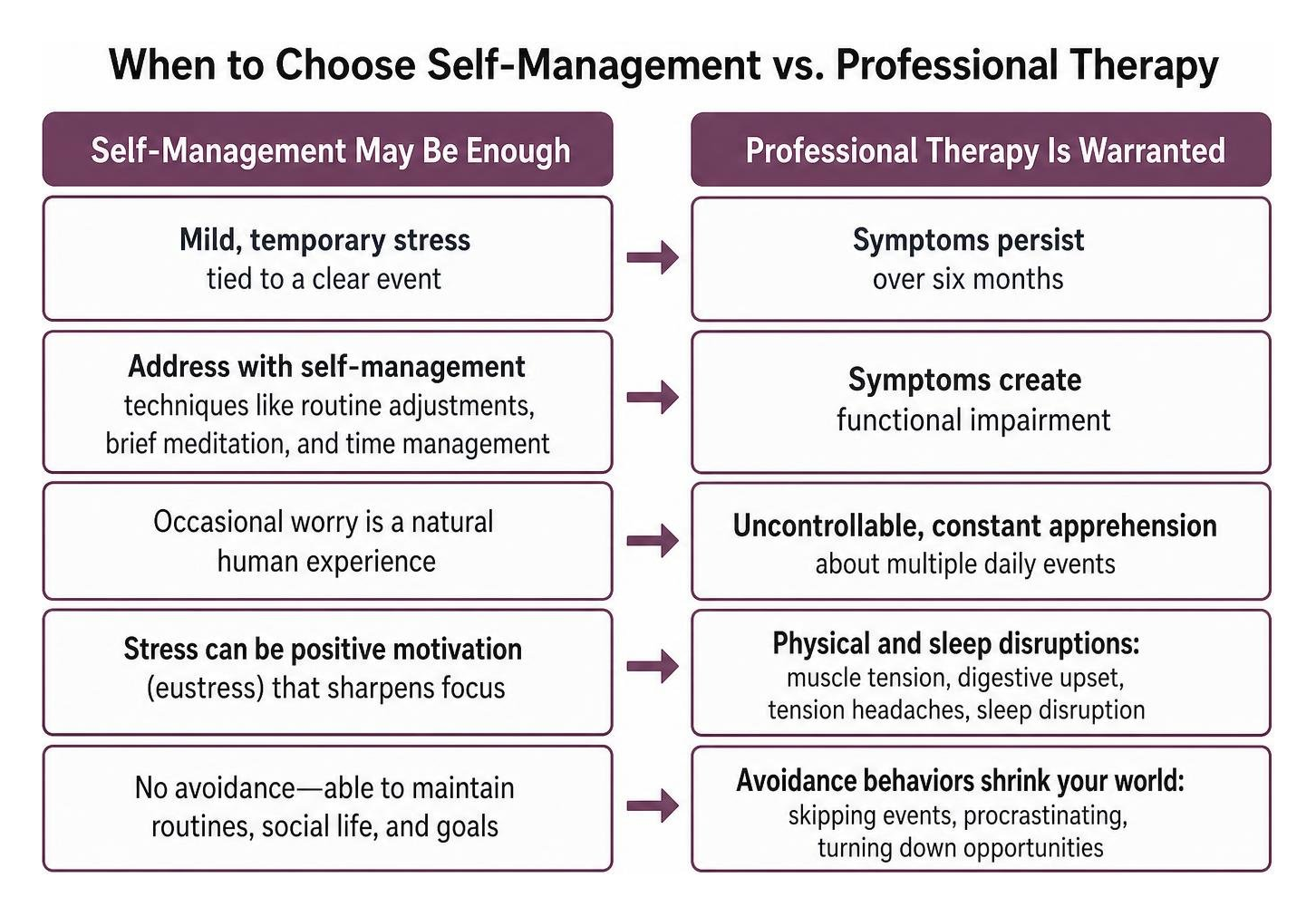
When avoidance behaviors start shrinking your world, such as skipping social events, procrastinating on projects, or turning down career advancements, professional support is warranted. Engaging in stress management therapy equips you with structured mechanisms to dismantle avoidance patterns safely.
Evidence Based Approaches in Stress and Anxiety Counseling

Working with a qualified mental health clinician provides an evidence based environment to unpack emotional overwhelm. Research highlights the therapeutic alliance, the trusting partnership between client and clinician, as a core driver of lasting improvement. Modern counseling utilizes structured modalities that teach cognitive restructuring, emotional regulation, and physiological calming.
For those balancing busy schedules, online anxiety counseling offers convenient access to evidence-based care. Research suggests that online therapy can be as effective as in-person treatment for many anxiety-related conditions.
Cognitive Behavioral Therapy and Exposure Techniques
Cognitive Behavioral Therapy (CBT) remains one of the gold standards in mental health care. CBT operates on the premise that thoughts, emotions, and behaviors are interconnected. By identifying and challenging negative automatic thoughts, individuals learn to replace cognitive distortions with grounded perspectives.
Within CBT protocols, exposure therapy serves as a powerful method for confronting specific fears and anxiety triggers. Rather than avoiding distress, clients work through graduated exposure exercises in a controlled setting.
Clinical research demonstrates that an intentional series of exposure therapy sessions yields significant, long-lasting results, with a majority of people experiencing meaningful symptom improvement and benefits that continue for years. This structured approach is especially helpful for overcoming avoidance in conditions such as social anxiety.
Choosing the Right Modality for Stress and Anxiety Counseling
Because each person experiences emotional distress differently, therapists often tailor care by blending established modalities:
| Therapy Modality | Core Focus | Primary Benefit |
|---|---|---|
| Cognitive Behavioral Therapy (CBT) | Identifying automatic cognitive distortions and testing behavioral patterns | Delivers actionable strategies to reframe negative thinking and reduce avoidance |
| Acceptance and Commitment Therapy (ACT) | Fostering psychological flexibility and acceptance of uncomfortable feelings | Helps individuals live according to core values rather than struggling against anxious thoughts |
| Insight Oriented Psychotherapy | Exploring past experiences, attachment history, and relational dynamics | Uncovers subconscious roots of chronic tension to support long term emotional growth |
| Mindfulness and Body-Based Relaxation Techniques | Developing awareness of physical sensations and practicing breathing, relaxation, and mindfulness exercises | May help reduce perceived stress, physical tension, and anxiety symptoms |
Building a Well Rounded Plan for Stress and Anxiety
Effective mental health treatment is highly personalized. While psychotherapy forms the central pillar of healing, depending on symptom severity, diagnosis, and individual preferences, some people may benefit from psychotherapy, medication prescribed by a qualified healthcare professional, or a combination of both. Medication may be used for short-term or longer-term treatment, depending on clinical needs. Collaborative care ensures that psychological skill- building, physiological regulation, and lifestyle adjustments work in harmony.
Navigating the Therapeutic Process: From Intake to Long Term Relief

Embarking on therapy is a collaborative process designed to foster sustainable emotional resilience over time.
What to Expect in Your First Stress and Anxiety Counseling Session
The initial intake appointment serves as an exploratory conversation. The therapist will ask about your current symptoms, personal history, relationships, and specific stressors. This session provides a supportive, private environment to discuss your concerns and goals. Your therapist will also explain confidentiality protections and the limited circumstances in which disclosure may be legally or ethically required.
Together, you and your therapist will establish clear goals, identify your unique emotional triggers, and map out a treatment plan tailored to your needs.
Practical Coping Skills and Daily Regulation Tools
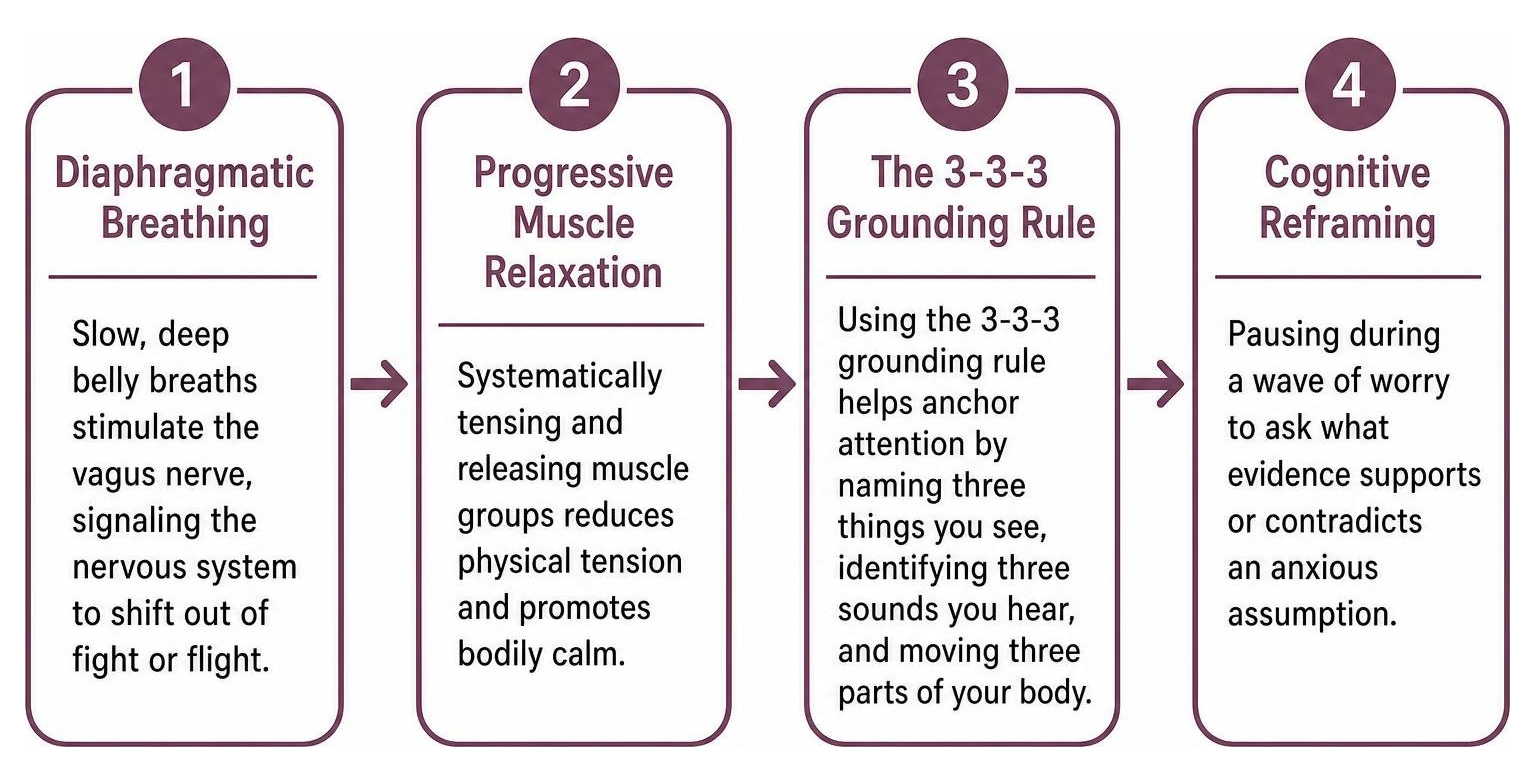
During therapy, you will learn hands on coping techniques to manage acute distress in real time:
- Diaphragmatic Breathing: Slow, deep belly breaths stimulate the vagus nerve, signaling the nervous system to shift out of fight or flight.
- Progressive Muscle Relaxation: Systematically tensing and releasing muscle groups reduces physical tension and promotes bodily calm.
- The 3 3 3 Grounding Rule: Using the 3 3 3 grounding rule helps anchor attention by naming three things you see, identifying three sounds you hear, and moving three parts of your body.
- Cognitive Reframing: Pausing during a wave of worry to ask what evidence supports or contradicts an anxious assumption.
Daily Self Care and Lifestyle Strategies to Complement Therapy
Therapeutic gains are strengthened when supported by healthy lifestyle choices. Simple habits create a strong foundation for emotional resilience:
- Prioritize Restful Sleep: Adults need adequate, quality sleep each night to regulate stress hormones and restore mental clarity.
- Incorporate Daily Movement: Engaging in regular physical activity helps metabolize stress chemicals and releases mood boosting endorphins.
- Balanced Nutrition: Fueling the body with whole foods, lean proteins, and complex carbohydrates stabilizes blood sugar and supports neurotransmitter production.
- Intentional Digital Boundaries: Taking regular breaks from social media feeds and constant news alerts protects mental energy and reduces cognitive overload.
- Gratitude Practices: Ending the day by noting positive moments trains the mind to notice safety and satisfaction alongside daily responsibilities.
Frequently Asked Questions About Therapy for Stress and Anxiety
How long does counseling take to relieve chronic anxiety?
Treatment duration depends on individual goals and symptom severity. Many people experience noticeable relief across a series of focused sessions, while others choose to continue counseling longer to reinforce habits, navigate life transitions, and prevent future setbacks.
Can therapy help if my anxiety is caused by work burnout?
Yes. Workplace strain often stems from boundary challenges, unrealistic expectations, and chronic overextension. Specialized burnout therapy helps individuals re establish workplace boundaries, untangle self worth from productivity, and develop sustainable work routines.
Will my health insurance cover sessions for stress management?
Many health insurance plans provide coverage for mental health counseling, including treatment for anxiety disorders. However, coverage depends on your specific plan, diagnosis, medical necessity requirements, provider network, and applicable deductibles or copays. Utilizing insurance-covered anxiety therapy helps keep care affordable and consistent.
Conclusion
Chronic tension and persistent worry do not have to define your everyday life. Evidence-based counseling, supportive clinical guidance, and practical self-care strategies can help individuals better manage stress, reduce anxiety symptoms, and improve everyday functioning.
Taking the first step toward relief is simple. Exploring professional therapy for stress can help you regain mental clarity and peace. Collective Counseling Solutions simplifies access to qualified clinicians by helping you find a licensed therapist who accepts your insurance and aligns with your unique personal needs.