

How to Find a Licensed Therapist for Depression
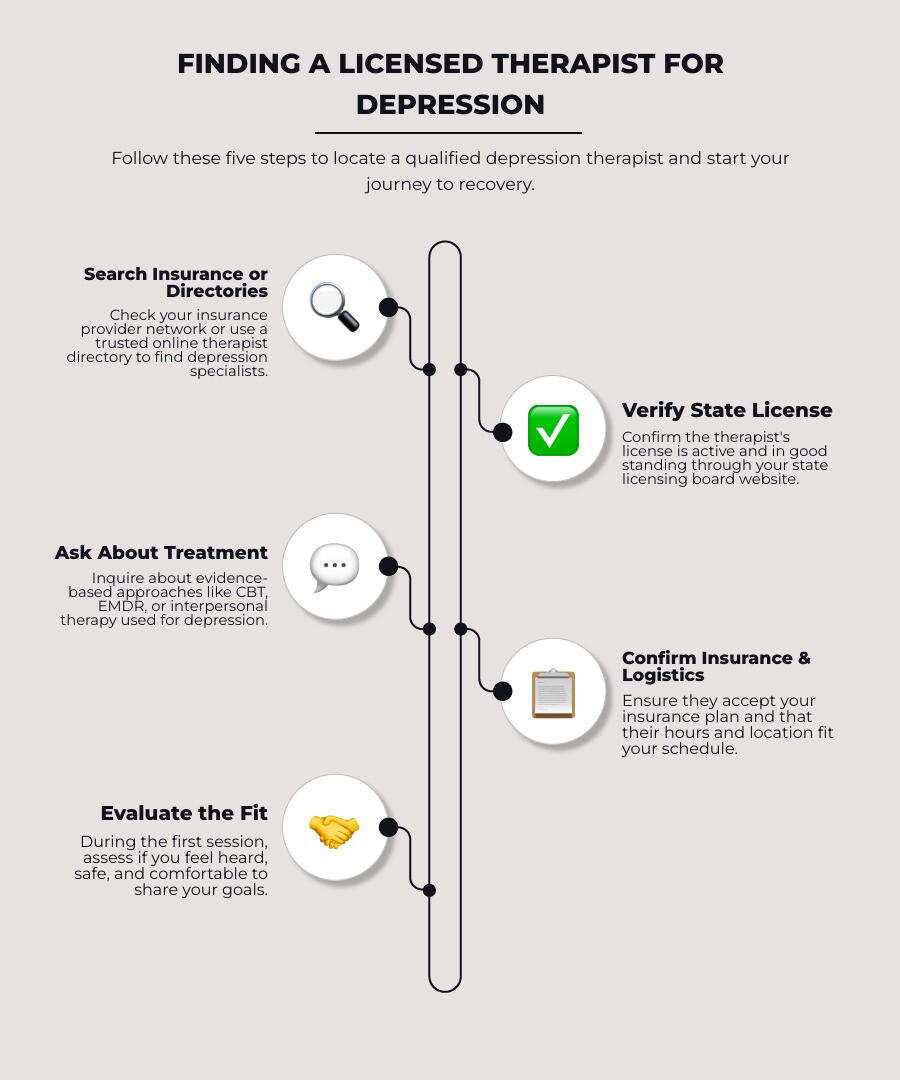
Finding a licensed therapist for depression often begins with your insurance directory or a trusted mental health provider directory. Seeking professional therapy for depression connects you with clinicians offering modalities such as EMDR for depression and other forms of evidence-based treatment for depression. Before booking, confirm their license through your state licensing board and ask about treatment approaches and insurance compatibility.
Your first visit is a chance to see if you feel heard and comfortable discussing your goals. It is okay to keep looking if the fit does not feel right.
Understanding the Role of a Licensed Professional in Treating Depression
Navigating clinical depression can feel exhausting, but working with a fully credentialed professional provides a safe, structured path forward. When seeking care, it’s essential to understand the difference between a casual life mentor and a formally regulated mental health clinician. Licensed therapists complete graduate-level education, supervised clinical training, and the licensing requirements established by their state and professional discipline.
These clinicians are uniquely trained to identify subtle patterns in mood disorders, distinguish situational sadness from clinical conditions, and recognize the varied signs and symptoms of depression, as outlined by the National Institute of Mental Health. State licensure establishes professional standards for ethical conduct, confidentiality, and clinical practice. Licensing boards also provide oversight and may investigate complaints or disciplinary concerns. These standards protect your well-being throughout the entire therapeutic process.
Types of Licensed Mental Health Providers
Several distinct professional paths lead to mental health licensure. While each discipline offers specialized training, all provide effective psychotherapy for depression. Understanding their unique backgrounds helps you select the right support for your needs.
| Provider Title | Educational Background | Core Focus & Approach |
|---|---|---|
| Licensed Professional Counselor (LPC / LPCC / LMHC) | Master’s Degree in Clinical Mental Health Counseling | Focuses on holistic emotional wellness, cognitive behavioral strategies, and individualized coping tools. |
| Licensed Clinical Social Worker (LCSW / LICSW) | Master’s Degree in Social Work | Emphasizes person in environment systems, community resources, emotional support, and evidence based psychotherapy. |
| Licensed Marriage and Family Therapist (LMFT) | Master’s Degree in Marriage and Family Therapy | Specializes in relational dynamics, family systems, interpersonal communication, and relational impacts on mood. |
| Licensed Clinical Psychologist (PsyD / PhD) | Doctoral Degree in Clinical or Counseling Psychology | Deep focus on comprehensive psychological assessment, complex diagnostics, and research backed behavioral interventions. |
How to Verify Credentials and State Licensure
Verifying credentials gives you peace of mind before scheduling an initial appointment. State licensing boards or regulatory agencies generally provide public license verification tools, although the information available varies by state and profession.
For people who search for “licensed therapist depression help,” confirming a license is one practical way to narrow a provider list before a consultation. It can help you confirm that the clinician is authorized to practice in your state, identify the credential they hold, and prepare focused questions about their experience, availability, teletherapy options, and approach to depression care. Keep the result with your notes so it is easier to compare providers after you speak with them.
To verify a provider:
- Visit your state licensing board website for psychology, counseling, or social work.
- Enter the full legal name or license number of the practitioner.
- Confirm that the license is active and review any publicly available disciplinary information.
- For teletherapy, confirm that the clinician is legally authorized to provide services in the state where you will physically be located during your appointment.
How to Find and Evaluate Licensed Therapist Depression Help

Locating licensed therapist depression help begins with targeted searching. Rather than sifting through endless general listings, utilize established provider networks and specialized behavioral health platforms. Modern care also offers flexibility, allowing you to choose between office visits and online depression therapy sessions from the comfort of home.
Why Evidence Based Care Matters When Seeking Licensed Therapist Depression Help
Depression treatment should never rely on guesswork. Choosing a clinician who uses evidence-based approaches can help you access treatments supported by clinical research. Evidence-based approaches for depression include cognitive behavioral therapy (CBT) and interpersonal therapy (IPT). Depending on individual needs, a therapist may also incorporate other approaches, including trauma-focused treatment when appropriate.
Exploring effective evidence-based treatment for depression allows you to understand how structured methods actively retrain automatic thought patterns and relieve persistent emotional fatigue. When delivered by a qualified clinician, evidence-based therapies can reduce depressive symptoms, strengthen coping skills, and support improved emotional well-being.
Key Questions to Ask During an Initial Consultation
Some therapists offer a brief phone or video consultation before the first appointment, while others address these questions during the initial session. This conversation is a great opportunity to interview the clinician and see whether their clinical background matches your needs.
Consider asking these practical questions:
- What specific experience do you have in treating major depressive disorder and related mood conditions?
- Which clinical modalities do you primarily use during sessions?
- How do you evaluate and track clinical progress over time?
- What are your expectations regarding session frequency and active participation outside of our meetings?
Reviewing various therapy treatment options can also help you formulate questions about treatment lengths and therapeutic goals.
Managing Logistics: Costs, Insurance, and Fit
Sustainable therapy requires clear alignment on practical logistics, including scheduling availability, location, and session payments. Finding quality care should not create overwhelming financial strain.
Navigating Insurance and Costs for Licensed Therapist Depression Help
Using health insurance benefits is often the most economical way to access ongoing mental health care. Many health insurance plans cover outpatient mental health treatment, but coverage and out-of-pocket expenses vary. Depending on your plan, you may be responsible for deductibles, copays, coinsurance, or out-of-network charges.
Key steps for navigating financial coverage:
- Call the member services number on the back of your insurance card to verify your outpatient behavioral health benefits.
- Confirm whether your provider is in network or out of network.
- Inquire if prior authorization is required before beginning your sessions.
- Check whether your plan has annual visit caps or specific restrictions on teletherapy.
Understanding how depression therapy insurance coverage operates helps you plan your care budget smoothly and avoid unexpected out of pocket fees.
Recognizing a Strong Therapeutic Match and Green Flags
While credentials establish clinical competence, the personal connection between you and your counselor (often called the therapeutic alliance) remains one of the strongest predictors of successful therapy. A quality therapist creates an environment of warmth, emotional safety, and active collaboration.
Look for these positive indicators during your initial sessions:
- You feel genuinely heard, validated, and respected without judgment.
- The therapist explains clinical concepts in clear, easy to understand language.
- They tailor their interventions to your unique lifestyle, especially if you are seeking high functioning depression support while managing demanding careers or family roles.
- They invite open feedback about what is working in therapy and what needs adjustment.
How to Prepare for Your First Depression Therapy Session
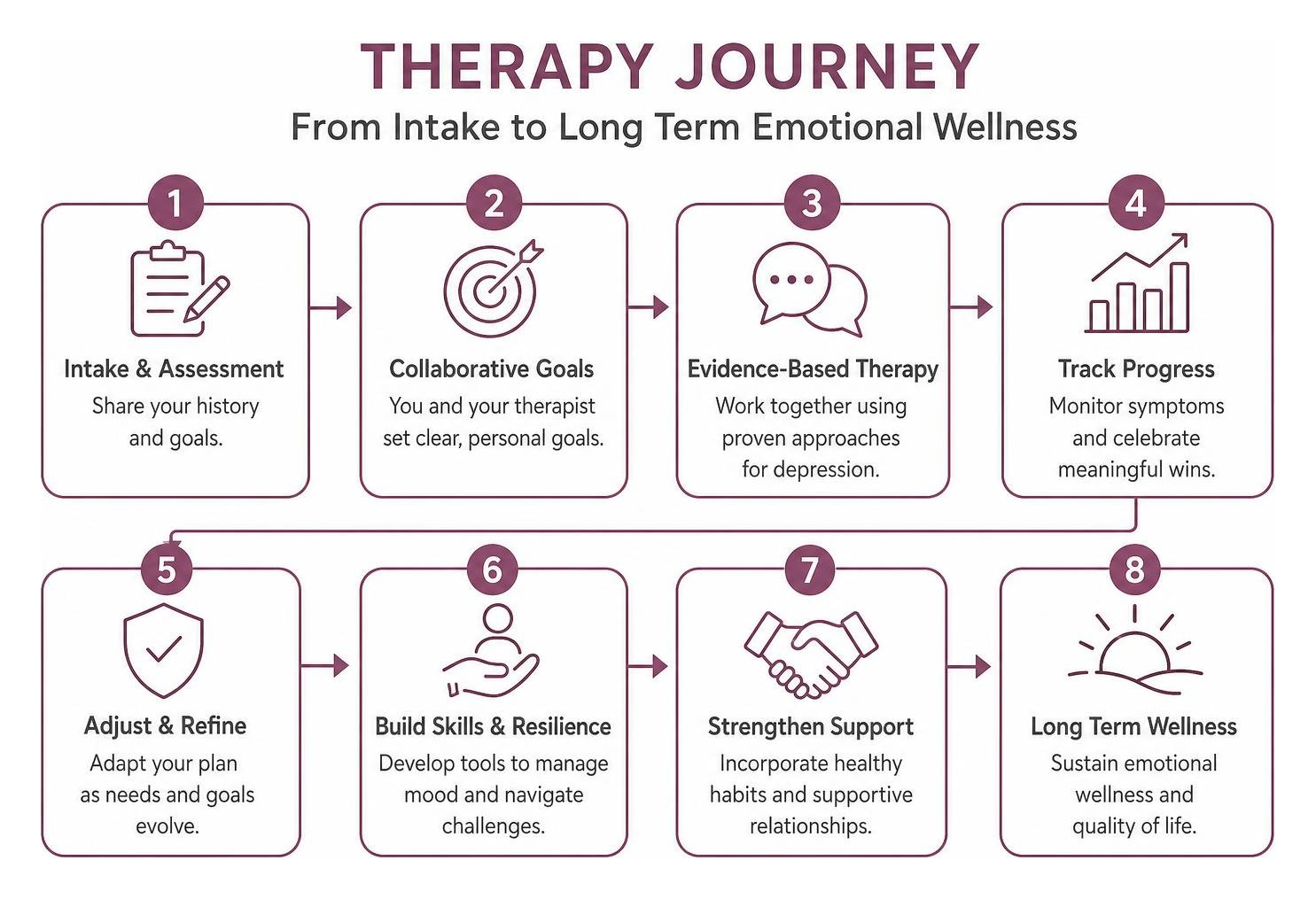
Preparing for an intake session helps ease natural first day nervousness. Your initial meeting is primarily focused on understanding your history, current symptoms, and personal goals.
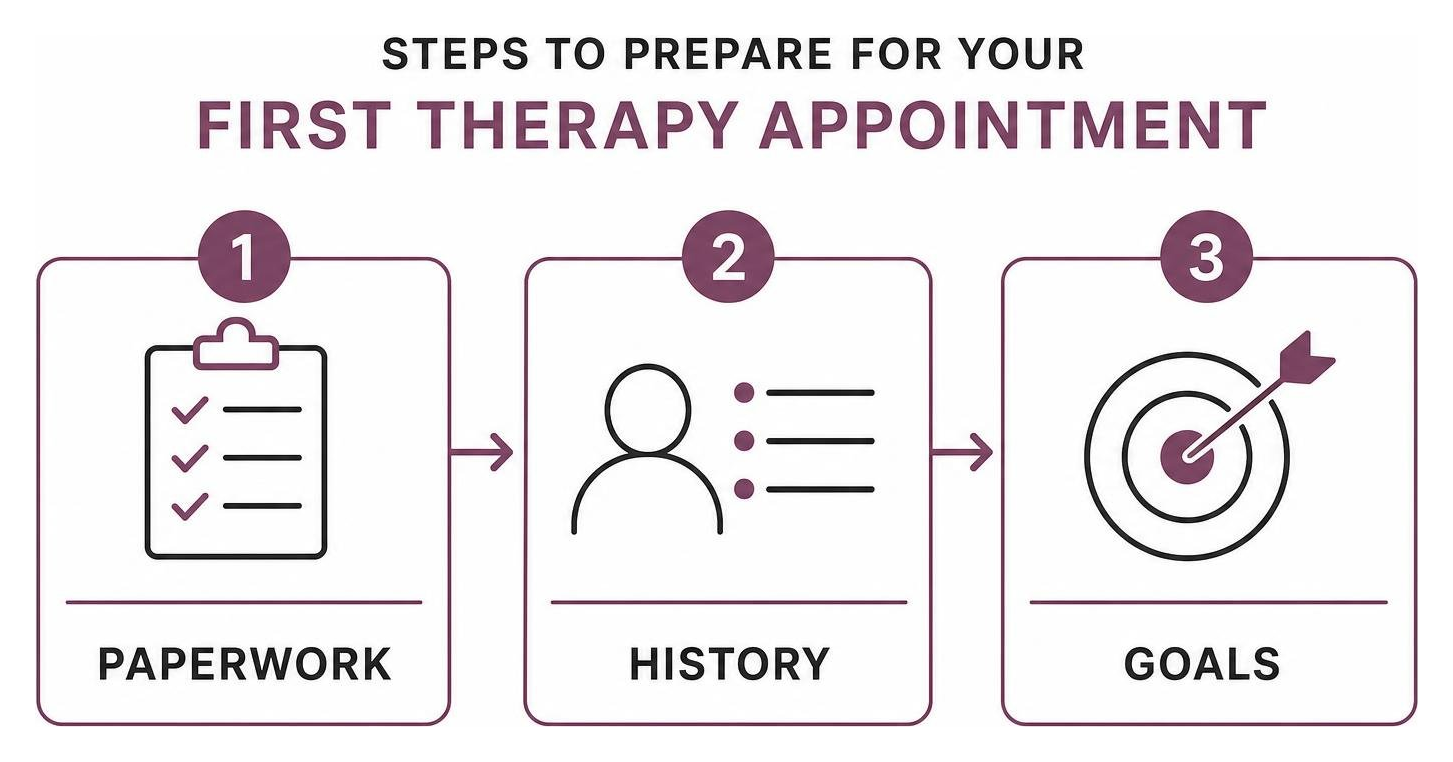
Here is how you can set yourself up for a productive first session:
- Complete intake paperwork and health history forms thoroughly ahead of time.
- Jot down a brief timeline of your symptoms, including when you first noticed energy shifts or mood changes.
- Bring a list of any medical conditions or treatments you currently use.
- Think about the primary changes you hope to achieve through counseling.
Learning about practical depression therapy tools and exploring what depression therapy involves can demystify the experience and help you feel fully prepared from day one.
Frequently Asked Questions About Depression Therapy
How long does it typically take to see improvement with a licensed therapist?
Therapy progress varies depending on individual circumstances, symptom severity, and consistency of attendance. The time it takes to notice improvement varies based on symptom severity, treatment approach, individual circumstances, and other factors. Some people experience improvement within the first several sessions, while others require longer-term treatment. Your therapist can help monitor your progress and adjust your treatment plan as needed. Meaningful, lasting behavioral shifts and emotional stabilization generally unfold over several months of collaborative work.
What is the difference between different types of licensed therapists for depression?
Different licensed professionals share the core ability to provide evidence-based talk therapy, but their educational lens varies. Psychologists focus deeply on cognitive processes and specialized diagnostics, social workers emphasize environmental systems and holistic support networks, and counselors concentrate on personal development and behavioral strategies. Licensed mental health professionals may use different approaches to treating depression, but their effectiveness depends on their training, clinical experience, treatment methods, and the needs of each individual.
What should I do if my current therapist is not a good fit?
Not every clinician will align perfectly with your personality or communication style, and that is completely normal. If you do not feel comfortable after several sessions, you are fully empowered to transition to another provider. You can discuss your concerns openly with your therapist or simply reach out to a new practice offering specialized therapy for depression to find a counselor who meets your needs.
Conclusion
Overcoming clinical depression is a journey that no one has to navigate in isolation. Choosing a qualified, licensed mental health professional can help you access personalized care informed by clinical research and tailored to your needs. Taking this step empowers you to rebuild emotional strength, cultivate daily joy, and regain control over your life.
Collective Counseling Solutions helps you find licensed therapists who accept insurance, making it easier to explore care options that fit your needs. If you are ready to take the next step toward renewed vitality and wellness, you can easily find a therapist and start your journey today.