

Find a Comprehensive Stress Therapy Program That Fits Real Life
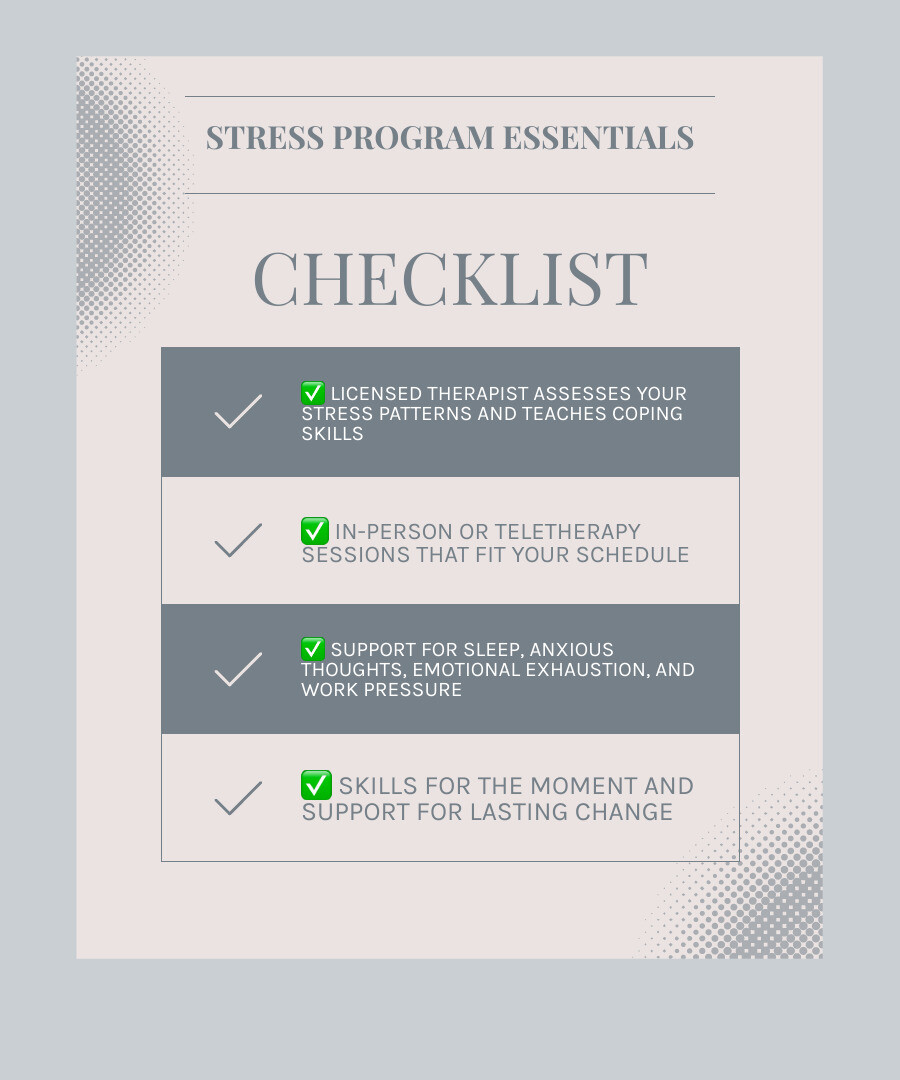
A comprehensive stress therapy program should make care easier to start and easier to keep. Look for a licensed therapist who can assess your stress patterns, teach practical coping skills, and offer in person or teletherapy sessions that work with your schedule. If insurance matters, ask about coverage before your first appointment.
The strongest programs address both sides of stress: what happens in your body and what keeps stress going in daily life. That can include support for sleep, anxious thoughts, emotional exhaustion, work pressure, breathing skills, and healthier boundaries.
Stress is not only a mental experience. Ongoing pressure can keep the nervous system on alert and affect the body’s stress response. Over time, this can drain energy, disrupt sleep, and make it harder to feel present at work or at home. A thoughtful plan gives you skills for the moment and support for lasting change.
Comprehensive stress therapy program further reading:
- stress management therapy techniques
- counseling for stress management
- daily stress management counseling
Core Elements of a Comprehensive Stress Therapy Program

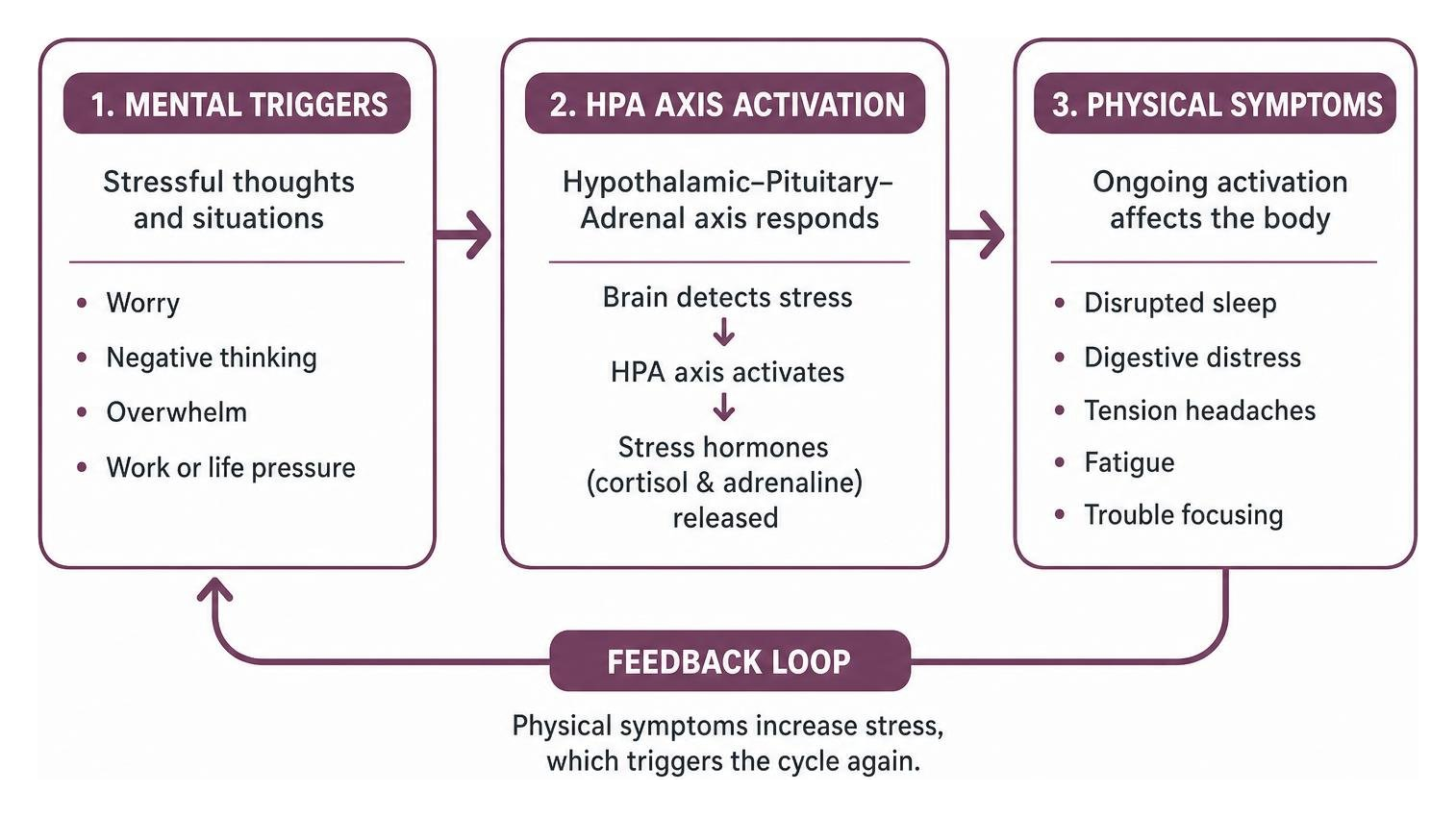
A truly effective approach to managing pressure goes far beyond basic relaxation advice. Chronic stress alters biology, affecting everything from hormone production to neural pathways. Understanding the science of stress: understanding how it affects your body and mind allows clinicians to design treatment pathways that target the underlying physiological drivers of tension.
When stress persists over weeks or months, it can disrupt the body’s normal stress-response systems, including the hypothalamic-pituitary-adrenal (HPA) axis. These changes may affect cortisol regulation and contribute to increased allostatic load, or the cumulative wear and tear associated with repeated or prolonged stress. This sustained activation floods the bloodstream with cortisol and adrenaline, increasing allostatic load. The body slowly loses its natural ability to downregulate, leading to disrupted sleep patterns, digestive distress, tension headaches, and impaired cognitive functioning.
Research on workplace stress management suggests that programs addressing both individual coping strategies and workplace conditions may help reduce occupational stress. A 2014 study by Kim and colleagues examined the effectiveness of a comprehensive stress management intervention in a medium-sized workplace. An individualized therapy approach may incorporate clinical assessment, cognitive coping strategies, and relaxation techniques to support emotional and physical well-being.
Psychoeducation and CBT in a Comprehensive Stress Therapy Program
Understanding why the body reacts to certain triggers is an essential first step in reclaiming emotional stability. Through structured psychoeducation, individuals learn to identify the early warning signs of cognitive overload before full exhaustion sets in.
Cognitive Behavioral Therapy forms the cornerstone of psychological intervention within stress management therapy. This evidence based modality helps clients uncover automatic negative thoughts, catastrophic predictions, and perfectionistic beliefs that artificially elevate daily pressure.
Clients work alongside a licensed counselor to replace cognitive distortions with grounded perspectives, establish firm boundaries, and develop proactive problem-solving frameworks. Cognitive restructuring can help individuals develop more balanced perspectives, manage perceived threats, and respond to stressful situations with greater flexibility.
Relaxation Techniques and Physical Stress Management
Stress can affect both mental and physical well-being, contributing to symptoms such as muscle tension, headaches, and changes in breathing. Relaxation-based techniques, including deep breathing and progressive muscle relaxation, may help reduce physical tension and support a calmer stress response.
Clinicians often teach clients diaphragmatic breathing exercises, progressive muscle relaxation, and grounding routines to interrupt sudden adrenaline surges. By discovering how therapy helps with chronic stress, individuals gain practical ways to calm physical agitation during moments of high demand.
Some individuals may also benefit from biofeedback, mindfulness, or other relaxation-based approaches. These techniques can complement counseling by helping individuals recognize physical signs of stress and practice strategies for managing them.
Comparing the Best Program Formats: Finding What Fits Your Lifestyle
Stress management care is not a one size fits all solution. Different life circumstances, professional obligations, and severity levels require different delivery models.
| Program Format | Primary Focus | Best For | Typical Time Commitment |
|---|---|---|---|
| Individual Outpatient Therapy | Personalized coping plans, root cause exploration, cognitive restructuring | Working professionals, busy parents, mild to moderate stress | 45 to 60 minutes weekly |
| Group Therapy & Workshops | Shared experience, peer accountability, interactive skill building | Team members, workplace cohorts, interpersonal stress | 60 to 90 minutes weekly for 6 to 8 weeks |
| Intensive Outpatient Programs | Multimodal clinical stabilization, daily somatic and psychological support | Severe burnout, co occurring anxiety, high exhaustion | 3 to 5 days weekly, multiple hours per day |
Individual Teletherapy and Outpatient Counseling
For many working adults and caregivers, weekly one on one therapy offers the ideal blend of personalized attention and schedule flexibility. Outpatient care allows clients to examine specific relationship stressors, career transitions, and family dynamics in a confidential environment.
Choosing online stress therapy eliminates commute times and enables consistent care from the comfort of home or an office. Virtual sessions allow individuals to practice breathing techniques and emotional regulation strategies directly within the environment where daily demands arise.
Structured Group Therapy and Workplace Workshops
Group formats bring individuals together to learn evidence-based tools while sharing mutual challenges. When available, group therapy can offer opportunities to learn coping strategies, connect with others facing similar challenges, and receive support in a structured environment.
Workplace workshops that implement Participatory Action Oriented Training encourage team members to identify practical, low cost adjustments to their daily environment. This shared approach fosters a supportive team atmosphere, enhances communication, and builds collective resilience across departments.
Intensive Outpatient Programs and Specialized Retreats
When stress significantly interferes with daily functioning, a mental health professional can help determine the appropriate level of care. Some individuals may benefit from more frequent outpatient counseling, while those experiencing significant mental health symptoms may require a structured Intensive Outpatient Program (IOP). Services vary by program and may include individual therapy, group counseling, and psychiatric support.
These programs offer immersive recovery for individuals experiencing profound emotional depletion. Exploring dedicated burnout therapy gives individuals the intensive space required to address deep nervous system fatigue.
Workplace stress can contribute to emotional exhaustion, reduced job satisfaction, and difficulties maintaining overall well-being. Addressing these challenges early through counseling, workplace adjustments, and appropriate support may help individuals manage stress more effectively.
Tailoring Therapy to Your Career and Daily Demands

A successful wellness plan must reflect the unique demands of an individual’s specific career and lifestyle. The pressures experienced by corporate executives managing tight deadlines differ substantially from the physical and environmental strains encountered by frontline workers.
Some high-achieving professionals experience significant anxiety or stress despite maintaining productivity at work. They may struggle with perfectionism, excessive worry, difficulty relaxing, or sleep disturbances. Seeking high-functioning adult stress therapy allows these individuals to explore unsustainable self-expectations without risking professional momentum.
Meanwhile, industrial and shift workers benefit significantly from interventions focused on ergonomic comfort, predictable rest intervals, and transparent reward systems.
Work Related Stress vs Chronic Burnout
It is common to confuse everyday occupational pressure with clinical burnout, yet recognizing the distinction is vital for proper care. Understanding stress vs burnout: knowing when to seek help ensures that individuals choose the appropriate depth of clinical intervention.
Stress typically involves over engagement, heightened emotional responses, and hyperactivity. Burnout, in contrast, is characterized by emotional depletion, cynicism, depersonalization, and a profound sense of helplessness.
When simple weekend rest no longer restores mental clarity, engaging in dedicated work stress therapy helps workers disentangle their self worth from job output and rebuild their professional capacity safely.
How to Choose the Best Comprehensive Stress Therapy Program for Your Schedule
Selecting the right program requires assessing your current symptoms, available weekly hours, and clinical preferences.
- Assess Symptom Severity: Determine whether your symptoms are mild and situational or chronic and physically debilitating.
- Review Schedule Constraints: Choose between flexible evening teletherapy, weekly in person clinics, or structured weekend intensive sessions.
- Evaluate Modality Preferences: Look for providers offering an integrated mix of cognitive interventions and somatic nervous system regulation.
- Check Insurance Coverage: Navigating stress therapy insurance options prior to enrollment helps ensure continuous, affordable care without unexpected administrative hurdles.
Frequently Asked Questions About Stress Management Programs
How long does a comprehensive stress management program typically last?
Program duration depends on individual goals, clinical assessment scores, and the chosen format. Some structured stress management programs may last approximately 6 to 12 weeks, while others require more or fewer sessions. Treatment length depends on individual needs, goals, and progress, and results vary from person to person.
Many clients choose to continue with biweekly or monthly maintenance sessions to reinforce boundary setting, process unexpected life transitions, and prevent future symptom relapse.
What is the difference between standard counseling and a comprehensive stress program?
Individual counseling and comprehensive stress management programs may use many of the same evidence-based techniques. The primary differences often involve the structure, frequency, and combination of services offered. A comprehensive program may incorporate multiple therapeutic approaches, while individual counseling can also provide personalized, structured stress management support.
#
It actively combines diagnostic self assessments, psychoeducation, cognitive restructuring, somatic nervous system resetting, and practical behavioral action plans to address both mental habits and physical biology simultaneously.
Are comprehensive stress therapy programs covered by health insurance?
Many health insurance plans include benefits for outpatient mental health counseling, but coverage depends on the specific plan, provider network, medical necessity requirements, and services received. Counseling focused solely on general stress management may not always qualify for reimbursement. Mental health parity laws provide important protections for covered mental health services but do not guarantee coverage for every type of treatment. Contact your insurance provider to verify eligibility, costs, and any applicable requirements before beginning therapy.
Coverage specifics depend on your individual plan, in network provider status, and applicable deductibles or copayments. Verifying plan details before starting care ensures a smooth and transparent treatment experience.
Conclusion
Chronic stress does not have to be an inevitable reality of modern life. By combining evidence based cognitive therapies with practical nervous system regulation and tailored lifestyle adjustments, you can break the cycle of physical tension and mental overload.
Investing in a structured, professional support system equips you with lifelong tools to maintain internal balance, protect your physical health, and thrive across your career and personal life. If you are ready to regain clarity and sustainable calm, explore therapy for stress with Collective Counseling Solutions and connect with a licensed professional who fits your needs today.
References
Kim SA, Suh C, Park MH, Kim K, Lee CK, Son BC, Kim JH, Lee JT, Woo KH, Kang K, Jung H. “Effectiveness of a comprehensive stress management program to reduce work-related stress in a medium-sized enterprise..” Annals of occupational and environmental medicine, 2014. PMCID PMC4026857.