

When Stress Becomes Too Much to Handle Alone
Counseling for stress management is a professional, evidence-based process where a licensed therapist helps you identify your stress triggers, understand your body’s response, and build practical coping skills that last.
Here’s what it involves at a glance:
- Assessment — Your therapist learns what’s driving your stress and how it affects your life
- Skill-building — You learn proven techniques like CBT, mindfulness, and breathing exercises
- Pattern recognition — You spot the thoughts and habits that make stress worse
- Personalized plan — Strategies are tailored to your schedule, goals, and situation
- Ongoing support — Sessions help you track progress and adjust as life changes
Life moves fast. Work deadlines, family demands, financial pressure, health worries. They pile up before you even realize it. For many people, stress has shifted from an occasional feeling to a constant background noise that never quite turns off.
That’s the difference between acute stress (short-term, tied to a specific event) and chronic stress (ongoing, low-grade pressure that wears you down over time). Acute stress can actually sharpen your focus. Chronic stress, though, is a different story. It can take a real toll on your body, mood, sleep, and relationships.
Nearly half of women report that their stress levels have risen over the past five years. And for busy professionals juggling careers, family, and everything in between, the pressure can feel relentless.
The good news? You don’t have to manage it alone. Stress management counseling gives you a structured, supportive space to understand what’s happening, learn how to respond differently, and not just cope better in the moment, but also build genuine resilience over time.
Understanding the Impact of Chronic Stress on Health
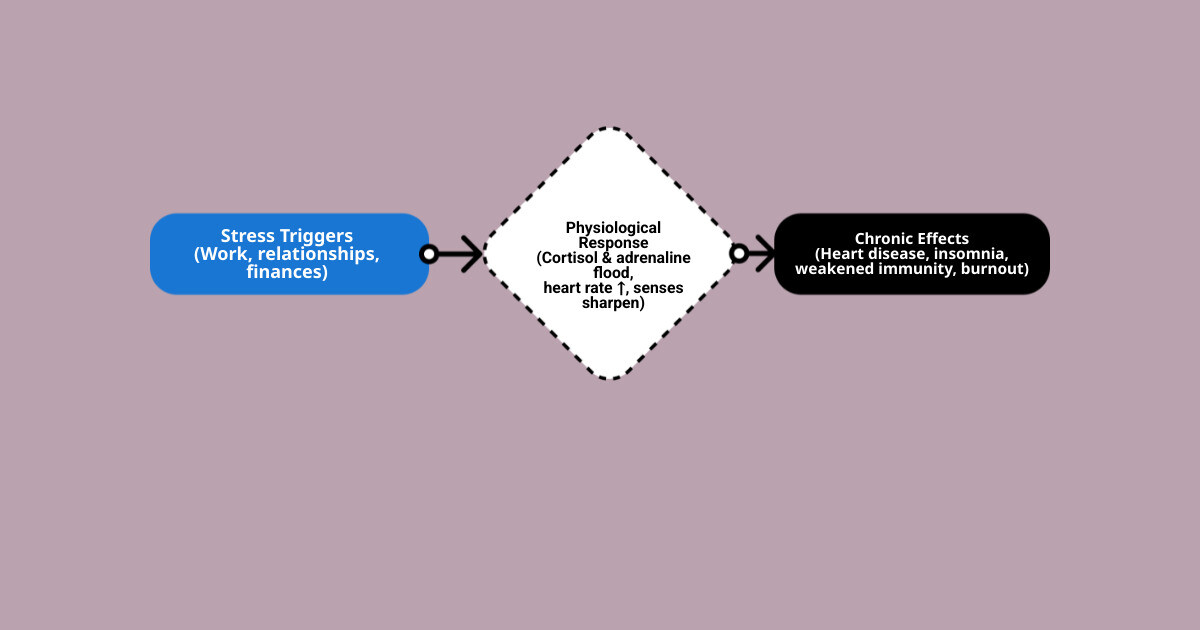
When you face a perceived threat, your body’s “alarm system” kicks into high gear. This is the fight-or-flight response, a survival mechanism that releases a flood of hormones, primarily cortisol and adrenaline. While this was great for our ancestors outrunning predators, the modern body doesn’t always distinguish between a lion and a passive-aggressive email from a manager.
In the short term, these hormones increase your heart rate and sharpen your senses. However, when the “alarm” never turns off, you enter a state of chronic stress. This prolonged exposure to cortisol can wreak havoc on your physical and mental health. According to The science of stress: understanding how it affects your body and mind, chronic stress can lead to:
- Cardiovascular Issues: Persistent high blood pressure and an increased risk of heart disease.
- Immune System Suppression: You may find yourself catching colds more often or taking longer to recover from illness.
- Sleep Disturbances: Insomnia or poor sleep quality, which further depletes your ability to handle daily pressures.
- Weight Gain: Cortisol is known to increase appetite and signal the body to store fat, often leading to obesity.
- Mental Health Decline: Chronic stress is a major contributor to anxiety disorders and clinical depression.
The CDC notes that managing stress is vital for preventing the worsening of chronic health conditions. Without intervention, the body eventually reaches a stage of “exhaustion,” where its resources are depleted, leading to significant health crises.
Identifying Common Triggers and Symptoms
Stress doesn’t always look like a dramatic breakdown; often, it’s a slow accumulation of small pressures. These are often categorized as “micro-stressors” that, when combined, create a heavy emotional burden.
Common triggers include:
- Workplace Pressure: High stakes, long hours, or lack of control over your tasks.
- Relationship Strain: Conflict with a partner, family members, or friends.
- Life Transitions: Moving, changing jobs, or even positive changes like having a child.
- Financial Concerns: The constant worry about bills and long-term security.
To effectively address these, you must first understand what are the types of stress? and how they manifest in your life. Symptoms can be physical (headaches, muscle tension, stomach issues), emotional (irritability, sadness, feeling overwhelmed), or behavioral (procrastination, social withdrawal, or increased use of alcohol). By understanding stress triggers and how to address them, you can begin to map out your personal “stress cycle” and intercept it before it spirals.
When to Seek Professional Help
It is a common myth that seeking help is a sign of weakness. In reality, reaching out for counseling for stress management is a proactive step toward health. You should consider professional help if:
- Daily Functioning is Impaired: You struggle to get through your workday or care for your family.
- Self-Care is Ineffective: Exercise, sleep, and hobbies are no longer providing relief.
- Physical Symptoms Persist: You have chronic pain, digestive issues, or chest pains that a doctor has linked to stress.
- You Feel “Trapped”: A sense of hopelessness or persistent anxiety that doesn’t go away.
There is also a critical distinction to make between stress vs burnout: knowing when to seek help. While stress involves “too much” (too many pressures, too much adrenaline), burnout is characterized by “not enough” (feeling empty, devoid of motivation, and beyond caring). If you feel like you are running on empty, professional intervention is essential.
Evidence-Based Approaches in Counseling for Stress Management
Therapists use a variety of scientifically backed tools to help clients regain control. Stress Management: The Role of Mental Health Counselors highlights that these professionals act as guides, providing a safe space to deconstruct your stressors and rebuild your resilience.
At Collective Counseling Solutions, our therapists specialize in therapy for stress using several core modalities:
- Cognitive Behavioral Therapy (CBT): Focuses on the link between thoughts, feelings, and actions.
- Mindfulness-Based Stress Reduction (MBSR): Uses meditation and awareness to calm the nervous system.
- Somatic Grounding: Physical techniques to “reset” the body’s fight-or-flight response.
- Holistic Care: Addressing sleep, nutrition, and boundaries alongside traditional talk therapy.
Cognitive Behavioral Therapy (CBT) and Stress Reduction
CBT is widely considered one of the most effective methods for managing stress and anxiety. It works by helping you identify “cognitive distortions”—unhelpful thought patterns like perfectionism or “catastrophizing” (assuming the worst-case scenario will happen).
Through how therapy helps with chronic stress, CBT allows you to:
- Reframe Thoughts: Instead of thinking “I can’t handle this,” you learn to think, “This is challenging, but I have the tools to manage it one step at a time.”
- Behavioral Activation: Identifying activities that boost your mood and intentionally scheduling them.
- Problem Solving: Breaking down overwhelming tasks into small, manageable steps to reduce the feeling of being “paralyzed” by work.
Research shows that people who receive CBT often experience a greater reduction in symptoms compared to those using medication alone, as it provides skills that continue to work long after the sessions end.
Mindfulness and MBSR Techniques in Counseling for Stress Management
Mindfulness is the practice of being fully present in the moment without judgment. In a counseling setting, this isn’t just about “relaxing”; it’s about training your brain to stay out of the past (rumination) and the future (worry).
By using 5 effective strategies for stress management, such as MBSR, clients can achieve up to a 38 percent reduction in stress-related symptoms. These techniques help strengthen the “present-moment pathway” in the brain, allowing you to observe your stress with curiosity rather than being consumed by it. This builds a “buffer” between a stressor and your reaction, giving you the space to choose a healthier response.
What to Expect in a Stress Management Therapy Session

Walking into your first session might feel intimidating, but the process is designed to be supportive and structured. It begins with an intake session, where you discuss your history, your current challenges, and what you hope to achieve.
Following the intake, the therapist performs an assessment to map your stress cycles. You’ll work together on goal setting—for example, “I want to stop feeling irritable with my kids after work” or “I want to be able to sleep through the night without my mind racing.”
Individual vs. Group Stress Programs
| Feature | Individual Counseling | Group Therapy Programs |
|---|---|---|
| Focus | Highly personalized to your specific life triggers. | Focuses on shared experiences and peer support. |
| Pace | Moves at your comfort level. | Follows a structured 8-12 week curriculum. |
| Privacy | Maximum confidentiality for sensitive issues. | Opportunity to realize “I am not alone.” |
| Skill Building | Deep dive into specific CBT or somatic tools. | Focused on general resilience and social skills. |
Practical Skills Learned in Counseling for Stress Management
Counseling is not just about talking; it’s about doing. You will leave sessions with a “toolbox” of skills. One popular framework is the Four As of Stress Management:
- Avoid: Learning the importance of saying no: setting boundaries to reduce stress. You don’t have to attend every event or take on every project.
- Alter: Changing the way you communicate or manage your time to prevent stress from building up.
- Accept: Using mindfulness to accept things you cannot change (like the weather or a difficult boss) to save your emotional energy.
- Adapt: Changing your standards or perspective to better fit reality (letting go of perfectionism).
You will also learn 4 stress management techniques you can use in real-time, such as paced breathing (inhale for 4, hold for 2, exhale for 6) and progressive muscle relaxation to release physical tension.
Timeline for Results and Session Frequency
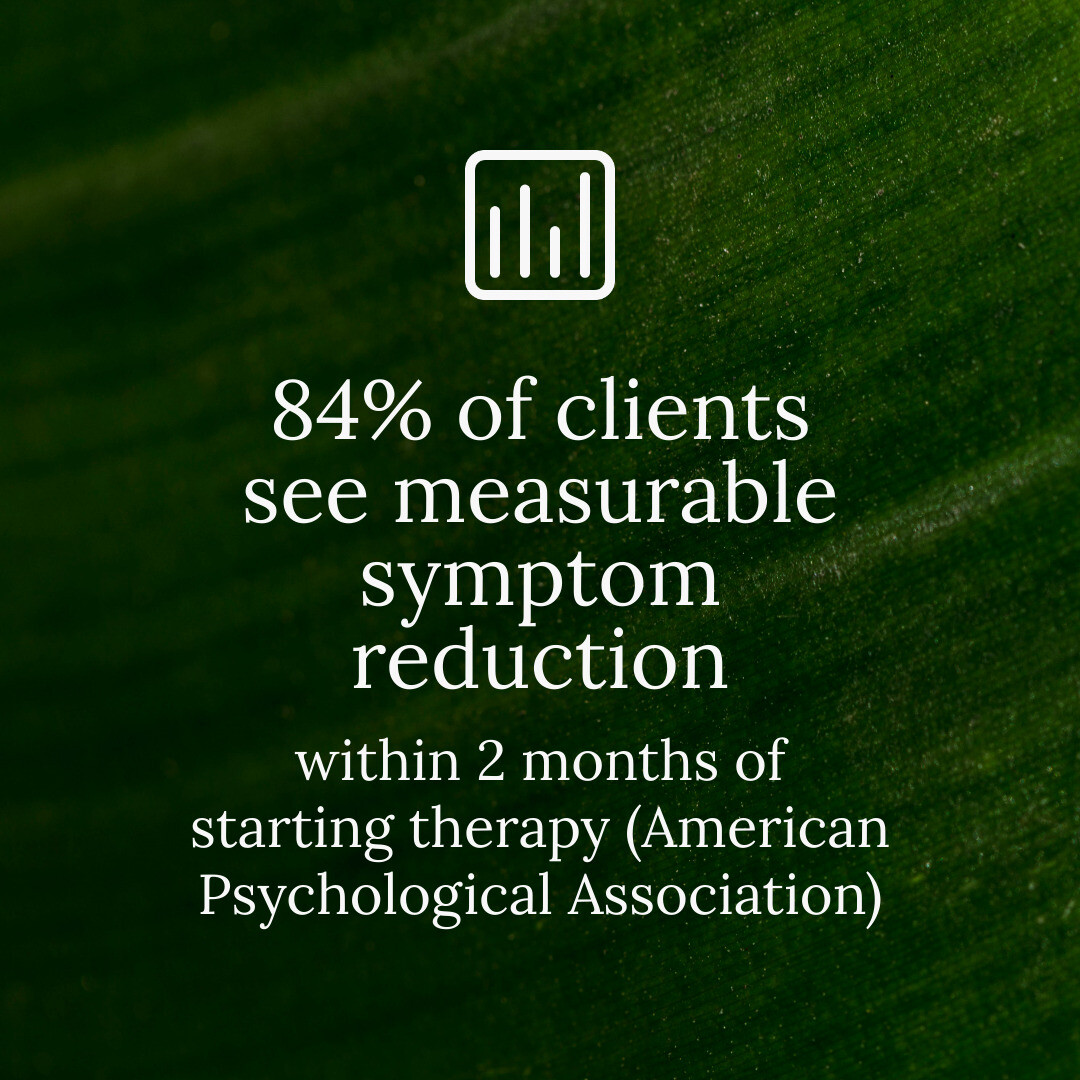
How long does it take to feel better? While everyone is different, statistics provide a helpful guide. According to the American Psychological Association, 50% of people in therapy feel a sense of recovery and healing after 15 to 20 sessions.
Many structured programs, like those focused on what are 7 steps to manage stress?, show significant results within 8 to 12 weeks. You might notice small wins early on—like a better night’s sleep or feeling less “snappy” with colleagues—with more profound changes in your overall outlook developing over several months.
Navigating Logistics: Cost, Insurance, and Finding a Therapist
One of the biggest barriers to seeking help is the “logistical stress” of finding a provider and worrying about the cost. At Collective Counseling Solutions, we aim to simplify this.

Cost and Insurance
Many people are surprised to learn that counseling for stress management is often covered by insurance. Because chronic stress is so closely linked to physical health and conditions like anxiety, most major plans recognize it as a “medically necessary” treatment.
- In-Network: We focus on connecting you with therapists who accept your insurance, which can bring your cost down to a standard co-pay (often as low as $30 depending on your plan).
- Teletherapy: For those with busy schedules, therapy for stress: online is an excellent option. It eliminates commute time and allows you to receive care from the comfort of your home.
- Coverage Details: You can explore more about therapy for stress: insurance to understand how to verify your benefits.
Choosing the Right Counselor for Your Needs
The relationship between you and your therapist (the “therapeutic alliance”) is the number one predictor of success. When finding a therapist for stress: things to consider, look for someone who:
- Has experience with your specific type of stress (e.g., work stress or high-functioning adults).
- Uses modalities you are interested in (like CBT or mindfulness).
- Offers a personality match that makes you feel safe and heard.
Combining Therapy with Lifestyle Changes
Therapy works best when it’s part of a holistic approach to wellness. Your counselor will likely help you integrate small, sustainable changes into your daily routine. This includes:
- Sleep Hygiene: Turning off screens an hour before bed and keeping a consistent wake-up time.
- Nutrition: Reducing caffeine and sugar, which can mimic the physical feelings of anxiety.
- Movement: Even quick stress-busting activities you can do in under 10 minutes, like a brisk walk, can boost endorphins and lower cortisol.
Frequently Asked Questions about Stress Counseling
Is stress management therapy covered by insurance?
Yes, in many cases. Because stress is often a precursor to or symptom of diagnosable conditions like Generalized Anxiety Disorder or Adjustment Disorder, most insurance providers cover these sessions. Collective Counseling Solutions specializes in matching you with providers who are in-network for your specific plan.
How is counseling different from self-help strategies?
While apps and journals are great tools, they are “one-size-fits-all.” Counseling provides a personalized “mirror.” A therapist can see patterns you might be blind to, provide professional accountability, and offer clinical techniques (like EMDR or advanced CBT) that you can’t easily do on your own. It moves you from “just coping” to “healing.”
Can therapy help with workplace-specific burnout?
Absolutely. Workplace stress is one of the leading reasons people seek counseling. A therapist can help you learn how to manage stress in the workplace by teaching you how to set professional boundaries, manage “encounter stress” with difficult colleagues, and regain a sense of agency in your career. If you are already feeling the symptoms of therapy for stress: burnout, professional support can help you recover and prevent a total collapse of your professional life.
Conclusion
Stress is an inevitable part of life, but it doesn’t have to be the boss of you. By seeking counseling for stress management, you are choosing to invest in your long-term resilience and physical health. You are moving away from the constant “fight or flight” mode and toward a life of intentionality and peace.
At Collective Counseling Solutions, we believe that everyone deserves easy access to high-quality, insurance-accepting mental health care. Whether you are dealing with the pressures of a high-stakes career, the demands of caregiving, or the weight of a major life transition, our licensed therapists are here to help you find your way back to balance.
Ready to take the first step? More info about finding a therapist is just a click away. Let’s start your healing journey today.