

What Is Proven Anxiety Relief and Does It Actually Work?
Proven anxiety relief is real, and it is closer than most people think. Whether you are dealing with a racing heart before a big meeting or a persistent sense of dread that follows you through the day, effective tools exist and are backed by clinical research.
Quick answer: The most effective, evidence-backed methods for anxiety relief include:
- Cognitive Behavioral Therapy (CBT) — the gold standard psychological treatment
- Slow diaphragmatic breathing — 4.5 to 6.5 breaths per minute to calm the nervous system
- Mindfulness-Based Stress Reduction (MBSR) — shown in trials to be as effective as traditional clinical interventions
- Regular aerobic exercise — 30 minutes, 3–5 times per week
- Grounding techniques — such as the 5-4-3-2-1 sensory method for immediate relief
- Sleep hygiene and nutrition — 7–9 hours of sleep and gut-supportive foods for long-term stability
Anxiety is more than just stress. It is a future-oriented worry, a persistent sense that something bad is coming, even when there is no clear threat. Physically, it shows up as a racing heart, a tight chest, shallow breathing, and a gut that feels tied in knots.
You are not alone in this. Anxiety disorders are the most common mental health condition among both adults and young people, with prevalence rates reaching up to 20% in children and adolescents alone.
The good news? The science of anxiety treatment is stronger than ever. From targeted therapy to simple breathing shifts you can do right now, there are real, tested strategies that work not just for some people, but for most.
This guide walks you through all of them.
Understanding Clinical and Proven Anxiety Relief Strategies
When it comes to treating anxiety, clinical research points toward powerful evidence-based interventions, such as those highlighted in the Mayo Clinic’s guide on diagnosis and treatment, designed to rewire how the brain processes fear.
Cognitive Behavioral Therapy (CBT)
CBT is widely considered the “gold standard” for therapy for anxiety. It works by helping individuals identify distorted or unhelpful thought patterns like “catastrophizing” and replacing them with more realistic, balanced perspectives. Clinical studies show that CBT doesn’t just change your mood; it facilitates neuroplasticity, strengthening the connections between the prefrontal cortex (the logical brain) and the amygdala (the emotional alarm center).
Exposure Therapy
A subset of CBT, exposure therapy is particularly effective for phobias and social anxiety. It involves gradually and safely facing the things you fear. By stopping the cycle of avoidance, the brain learns that the “threat” isn’t as dangerous as it seems. If you are unsure where to start, many people find success when they identify anxiety triggers in therapy with a licensed professional.
Immediate Physiological Hacks for Proven Anxiety Relief
Sometimes, you don’t have time for a full therapy session. You need to calm down right now. In these moments, “bottom-up” strategies, those that target the body to calm the mind, are your best friend.
The Mammalian Diving Reflex
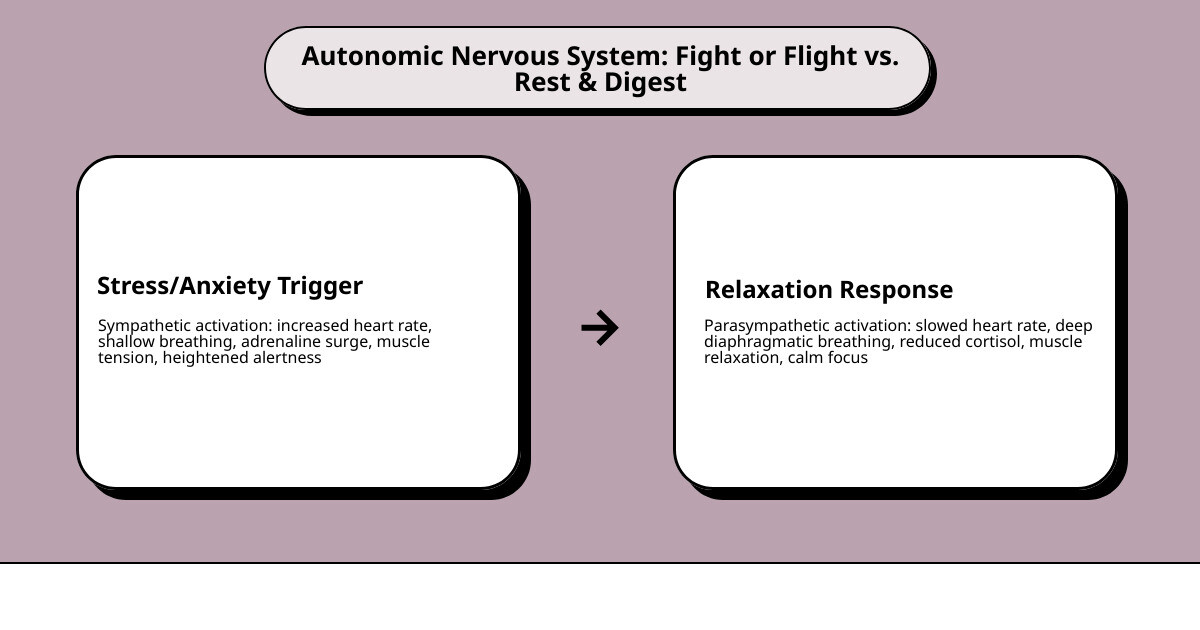
This is a biological “cheat code” for the nervous system. When you splash ice-cold water on your face or hold a cold pack to your eyes and cheeks for 30 seconds, your body triggers the diving reflex. This rapidly slows your heart rate and shifts the nervous system from “fight or flight” to “rest and digest.” It is one of the fastest ways to calm anxiety fast during a spike.
The Physiological Sigh
Neuroscientists have identified a specific breathing pattern that offloads carbon dioxide and re-inflates the tiny air sacs in your lungs. To do it, take a deep inhale through the nose, followed by a second, shorter “pop” of air at the very top, then exhale as slowly as possible through the mouth. This sends an immediate signal to the brain that you are safe.
Affect Labeling
Simply naming what you are feeling, such as “I am feeling anxious right now,” can reduce the intensity of the emotion. This process, known as affect labeling, moves activity away from the emotional amygdala and toward the analytical prefrontal cortex. You can find more of these “micro-interventions” in this list of 7 anxiety hacks for managing stress in the moment.
Breathing Techniques for Proven Anxiety Relief
Breathing is the only part of the autonomic nervous system that we can control consciously. By changing your breath, you change your brain chemistry.
- Diaphragmatic Breathing: Focus on breathing into your belly rather than your chest. This stimulates the vagus nerve, which is the “highway” of the parasympathetic nervous system.
- The 4-7-8 Method: Inhale for 4 seconds, hold for 7, and exhale for 8. The long exhale is the secret sauce here; it forces the heart rate to slow down.
- Box Breathing: Used by Navy SEALs, this involves inhaling, holding, exhaling, and holding for 4 seconds each.
- Coherent Breathing: Research published in Nature on the effect of slow breathing in regulating anxiety suggests that a rate of 4.5 to 6.5 breaths per minute is optimal for balancing the stress response.
Grounding with the 5-4-3-2-1 Method
When your mind is racing into a scary future, grounding brings you back to the safe present. The 5-4-3-2-1 method is a sensory awareness exercise that anchors you:
- 5 things you can see: (e.g., a blue pen, a cloud, a coffee mug)
- 4 things you can touch: (e.g., the texture of your jeans, your cool desk)
- 3 things you can hear: (e.g., distant traffic, a hum of a fan)
- 2 things you can smell: (e.g., old books, fresh rain)
- 1 thing you can taste: (e.g., mint or just the inside of your mouth)
This is a more detailed version of the 3-3-3 rule for anxiety, which focuses on seeing, hearing, and moving three body parts.
Mind-Body Techniques: Mindfulness and Movement
Managing anxiety isn’t just about stopping a panic attack; it’s about lowering your baseline stress level.
The Power of Movement
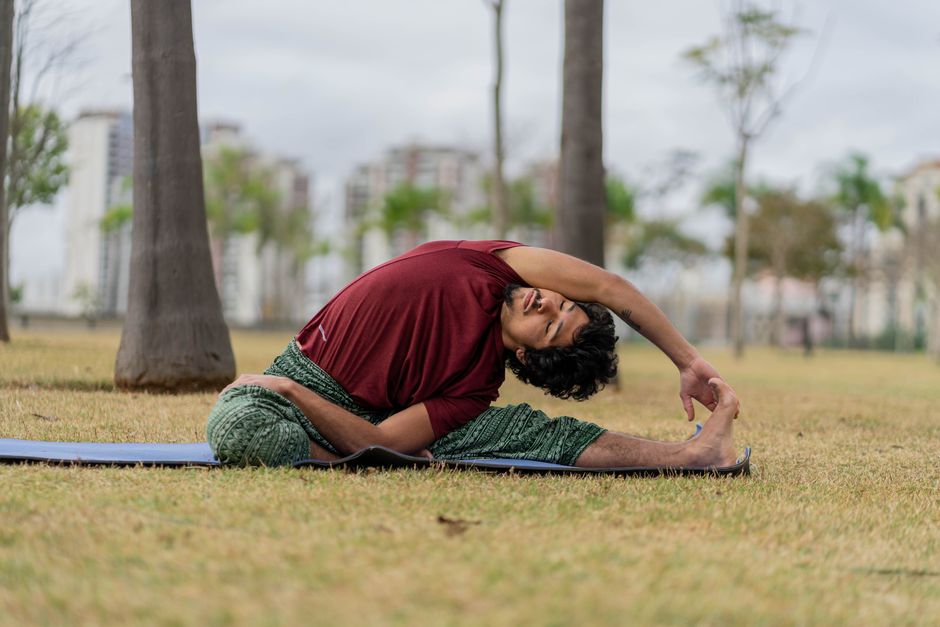
Physical activity is a potent stress reducer. It boosts endorphins—the brain’s natural feel-good chemicals—and provides a “meditation in motion.”
- Yoga: Hatha and Restorative yoga are particularly effective for anxiety. In fact, a systematic review found that 70% of studies on yoga for youth showed significant improvements in anxiety symptoms.
- Tai Chi and Qigong: These ancient practices combine gentle movement with deep breathing, helping to balance “qi” (energy) and lower blood pressure.
- Aerobic Exercise: Brisk walking, swimming, or cycling for 30 minutes can provide anxiolytic effects that last for hours.
| Technique | Primary Benefit | Best For |
|---|---|---|
| Yoga | Mind-body connection & flexibility | Chronic stress & body tension |
| Tai Chi | Balance & rhythmic breathing | High achievers needing “slow down” time |
| Aerobic Exercise | Endorphin release & cortisol reduction | Burning off “nervous energy” |
Mindfulness-Based Stress Reduction (MBSR) is another heavy hitter. Recent clinical trials have shown that MBSR can be just as effective as common clinical interventions. For high achievers struggling with anxiety, these techniques offer a way to maintain performance without the burnout. More tips can be found in the Mayo Clinic’s 9 ways to tame anxiety.
Lifestyle and Nutritional Interventions for Long-Term Calm
Your brain is a biological organ, and it requires the right fuel and rest to function without constant “alarm” signals.
Sleep and the 7-9 Hour Rule
Sleep deprivation is a massive anxiety trigger. Most adults need 7 to 9 hours of sleep to allow the brain to process the day’s emotions. Without it, the amygdala becomes hyper-reactive, making you feel overwhelmed rather than just anxious.
The Gut-Brain Axis
There is a direct “phone line” between your gut and your brain via the vagus nerve. Supporting your gut health through a balanced diet rich in whole foods can lead to long-term ways to manage anxiety.
When to Seek Professional Treatment for Anxiety
It is normal to feel anxious occasionally, but when does it become a disorder?

Medical professionals typically look for the “6-month rule.” If your worry is excessive, difficult to control, and has occurred more days than not for at least six months, it may be Generalized Anxiety Disorder (GAD). Other signs include:
- Anxiety that interferes with your work, school, or relationships.
- Physical symptoms like unexplained aches, insomnia, or digestive issues.
- Avoiding social situations or places due to fear.
- Experiencing panic attacks, sudden surges of intense fear.
Whether you are dealing with social anxiety or a constant sense of being “on edge,” help is accessible. In May 2026, online therapy for anxiety has become a highly effective and convenient way to receive evidence-based care from the comfort of your home.
Frequently Asked Questions about Anxiety Relief
What is the fastest way to stop a panic attack?
The fastest physiological way to interrupt a panic attack is to trigger the mammalian diving reflex by splashing cold water on your face. Follow this with box breathing (inhale 4, hold 4, exhale 4, hold 4) to manually override the “fight or flight” response. Grounding yourself by naming five things you see can also help pull your brain out of the “fear spiral” and back into reality.
Can mindfulness be as effective as other clinical treatments?
Yes. A landmark study published in JAMA Psychiatry found that an 8-week program of Mindfulness-Based Stress Reduction (MBSR) was non-inferior (just as effective) as common clinical treatments for patients with anxiety disorders. While various clinical tools are available, mindfulness provides a skill-based approach that changes the brain’s structure over time.
How much exercise is needed for anxiety relief?
Clinical research suggests that 30 minutes of moderate aerobic exercise, 3 to 5 times per week, is the “sweet spot” for significant symptom reduction. This level of activity helps regulate cortisol levels and provides a consistent boost of endorphins and dopamine, which act as natural anti-anxiety agents.
Conclusion
Finding proven anxiety relief is not about finding a “magic pill” that makes worry disappear forever. Instead, it is about building a personalized toolkit of strategies that work for your unique brain and body. By combining immediate hacks like slow breathing and grounding with long-term strategies like CBT, exercise, and proper nutrition, you can leverage the power of neuroplasticity to create a calmer, more resilient life.
As we move through May 2026, the barriers to high-quality care are lower than ever. Collective Counseling Solutions is dedicated to simplifying your journey by connecting you with licensed therapists who accept insurance, whether you prefer in-person sessions or the flexibility of teletherapy. You don’t have to navigate the “worry station” alone.
Ready to take the next step toward lasting calm? Find a therapist today and start building the support and tools you deserve.