
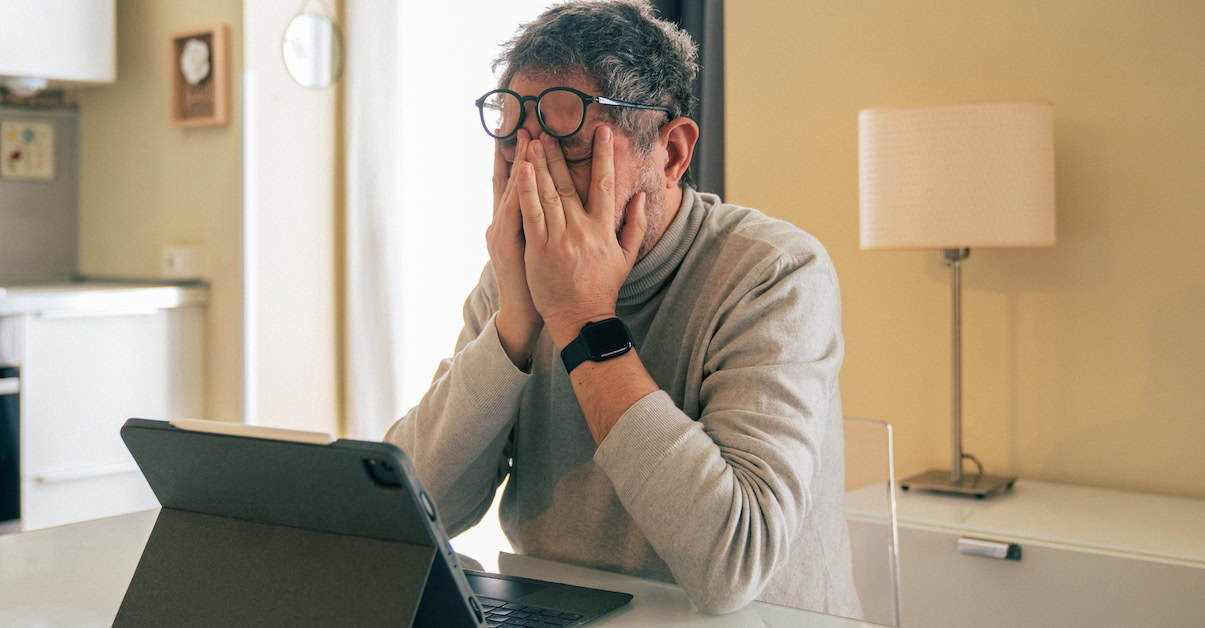
Life today moves fast. Between work responsibilities, family obligations, financial pressures, social expectations, and the constant stream of information online, many people feel stretched thin. When stress starts piling up, it can be hard to tell whether what you’re experiencing is temporary overwhelm or something deeper, like anxiety.
You might find yourself wondering: Do I have anxiety, or am I just overwhelmed? Understanding the difference is important because each situation may require different strategies for relief and support. In some cases, reaching out to a therapist for anxiety or seeking anxiety counseling can provide the clarity and tools needed to feel better.
This guide will help you understand the key differences between anxiety and overwhelm, how to recognize the signs, and when it might be helpful to connect with an anxiety therapist or explore anxiety therapy online.
Understanding Overwhelm
Feeling overwhelmed is a normal human response to having too many demands on your time, energy, or emotional capacity. Everyone experiences overwhelm at some point. It often occurs when multiple stressors stack up, and your brain struggles to keep up.
Common causes of overwhelm include:
- Tight deadlines at work
- Major life changes (moving, new job, divorce, having a baby)
- Family or caregiving responsibilities
- Financial stress
- Too many commitments
- Lack of rest or downtime
When you’re overwhelmed, your brain is essentially saying, “There’s too much happening at once.”
Signs of Overwhelm
Some common symptoms of overwhelm include:
- Difficulty concentrating
- Feeling mentally drained
- Trouble making decisions
- Irritability
- Fatigue
- Wanting to avoid tasks
- Feeling scattered or disorganized
The key thing about overwhelm is that it’s usually situational. Once the stressful circumstances ease or you get better support, the feeling often improves.
For example, someone working long hours on a big project may feel overwhelmed for a few weeks. Once the deadline passes, their stress level naturally decreases.
However, when stress doesn’t go away or begins to affect daily life consistently, it may be more than simple overwhelm.
What Is Anxiety?
Anxiety is more than just occasional stress. It’s a persistent mental health condition that involves excessive worry, fear, or nervousness that can interfere with daily life.
While everyone experiences anxiety sometimes, like before a big presentation or important decision, clinical anxiety tends to be ongoing and difficult to control.
People experiencing anxiety often benefit from working with a therapist who can help identify triggers and develop coping strategies.
Common Symptoms of Anxiety
Anxiety can affect both the mind and the body. Some common signs include:
- Constant or excessive worry
- Feeling on edge or restless
- Racing thoughts
- Difficulty sleeping
- Muscle tension
- Rapid heartbeat
- Shortness of breath
- Digestive issues
- Avoidance of certain situations
Unlike overwhelm, anxiety does not always have a clear cause. You might feel anxious even when nothing stressful is happening.
For example, someone with anxiety might:
- Worry constantly about things going wrong
- Feel nervous about situations that used to feel normal
- Experience panic symptoms unexpectedly
- Avoid social situations or responsibilities
- In these cases, professional support, such as anxiety counseling, can be extremely helpful.
Key Differences Between Anxiety and Overwhelm
While anxiety and overwhelm can feel similar, there are some important differences.
1. Duration
Overwhelm:
Usually temporary and connected to a specific situation.
Anxiety:
Often ongoing and persistent, even when external stress is minimal.
2. Triggers
Overwhelm:
Typically linked to identifiable stressors such as workload, deadlines, or responsibilities.
Anxiety:
May occur without a clear trigger or may involve disproportionate worry about everyday situations.
3. Physical Symptoms
Overwhelm:
It can cause fatigue or mental exhaustion, but usually doesn’t involve intense physical symptoms.
Anxiety:
Often includes physical sensations like a racing heart, sweating, stomach discomfort, or shortness of breath.
4. Impact on Daily Life
Overwhelm:
You may feel stressed, but you can still complete responsibilities.
Anxiety:
It can interfere with work, relationships, sleep, and overall quality of life.
When Overwhelm Turns Into Anxiety
Sometimes, overwhelm doesn’t stay temporary. When stress continues for long periods without relief, it can evolve into chronic anxiety.
This is especially common when someone:
- Has ongoing work pressure
- Experiences long-term financial stress
- Is balancing multiple major life responsibilities
- Lacks emotional support
- Has a history of anxiety or trauma
Over time, the brain begins to stay in a constant state of alertness, making even small problems feel overwhelming.
This is often when people begin searching for an anxiety therapist or exploring anxiety therapy online to get help managing their symptoms.
Questions to Ask Yourself
If you’re unsure whether you’re dealing with overwhelm or anxiety, asking yourself a few questions can help clarify the situation.
1. How long have these feelings lasted?
If the stress has lasted for months or keeps returning frequently, anxiety may be involved.
2. Can I relax when the stressful situation ends?
If your body and mind remain tense even when things calm down, it may be anxiety.
3. Are my worries realistic or excessive?
Occasional worry is normal, but constant catastrophic thinking can be a sign of anxiety.
4. Is it affecting my daily life?
If stress is impacting sleep, relationships, productivity, or enjoyment of life, it may be time to seek help.
Working with a therapist for anxiety can provide insight into these questions and help you better understand what you’re experiencing.
Coping Strategies for Overwhelm
If your stress is primarily related to overwhelm, there are several practical strategies that can help.
Prioritize Tasks
Break large projects into smaller steps and focus on what truly needs to get done first.
Set Boundaries
Learning to say no to extra commitments can protect your time and energy.
Take Breaks
Regular breaks improve productivity and reduce mental fatigue.
Practice Self-Care
Sleep, exercise, and healthy routines play a big role in stress management.
Ask for Support
Talking with friends, family, or colleagues can help lighten the emotional load.
For many people, these adjustments are enough to restore balance.
Effective Treatments for Anxiety
If anxiety is the underlying issue, professional support can make a significant difference. Anxiety is highly treatable, and many people experience major improvement through therapy.
Anxiety Counseling
Anxiety counseling helps individuals understand their thought patterns, identify triggers, and develop healthier ways to respond to stress.
Common therapy approaches include:
- Cognitive Behavioral Therapy (CBT)
- Mindfulness-based therapy
- Exposure therapy
- Acceptance and Commitment Therapy (ACT)
An experienced anxiety therapist can tailor these methods to fit your specific situation.
Anxiety Therapy Online
Many people today choose anxiety therapy online because it offers convenience and accessibility. Online therapy allows you to connect with a licensed therapist from the comfort of your home.
Benefits include:
- Flexible scheduling
- No commute
- Access to therapists outside your local area
- Increased privacy and comfort
For individuals with busy schedules or social anxiety, online therapy can be an excellent option.
Signs It May Be Time to Seek Professional Help
While occasional stress is normal, there are times when professional support becomes important.
Consider reaching out to a therapist for anxiety if:
- Worry feels constant or uncontrollable
- Anxiety interferes with work or relationships
- You experience panic attacks
- Sleep problems persist
- Avoidant behaviors are increasing
- Stress feels unmanageable
Seeking help is not a sign of weakness; it’s a proactive step toward improving mental health.
What to Expect When Working With an Anxiety Therapist
Meeting with an anxiety therapist typically begins with an initial assessment. During this conversation, the therapist will ask about your experiences, symptoms, and goals for therapy.
From there, they may help you:
- Identify thought patterns that increase anxiety
- Learn coping strategies for stressful situations
- Practice relaxation techniques
- Develop healthier boundaries
- Build emotional resilience
Over time, these tools can reduce anxiety and help you feel more in control of your thoughts and emotions.
The Importance of Mental Health Awareness
One of the biggest challenges people face is recognizing when stress crosses the line into anxiety. Because modern life is so busy, many individuals assume constant stress is normal.
But persistent anxiety doesn’t have to be something you simply live with.
Whether you’re dealing with temporary overwhelm or something deeper, understanding your mental health is an important step toward improving your well-being.
Final Thoughts
Feeling overwhelmed from time to time is part of being human. However, if stress becomes constant, difficult to control, or begins affecting your daily life, it may be more than simple overwhelm.
Learning to recognize the difference between overwhelm and anxiety can help you take the right steps toward feeling better.
For some people, lifestyle adjustments and stress management techniques may be enough. For others, working with a therapist for anxiety, seeking anxiety counseling, or exploring anxiety therapy online can provide the support and guidance needed to regain balance.
If you’re struggling, remember that help is available. An experienced anxiety therapist can work with you to understand what you’re experiencing and help you build tools to manage stress, calm anxious thoughts, and move forward with greater confidence and peace of mind.
At Collective Counseling Solutions, we have many therapists for anxiety. Contact us today to find a therapist in your area you can start with!