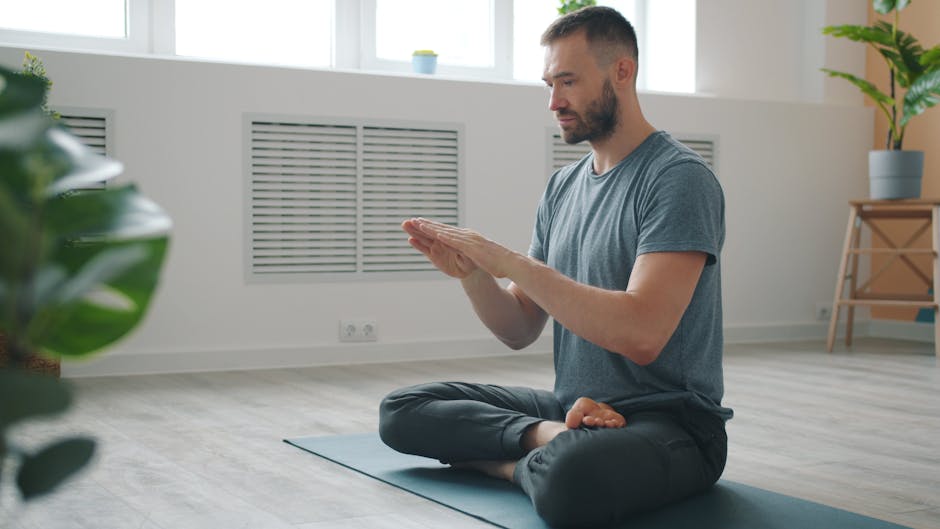

Anxiety can feel overwhelming, isolating, and exhausting. Whether your thoughts race at night, your chest tightens before social events, or you feel constant pressure to perform at your best, anxiety has a way of disrupting every area of life. The good news? You don’t have to manage it alone.

Working with a therapist for anxiety can help you understand the root of your symptoms, develop healthier coping tools, and regain a sense of calm and control. Through personalized anxiety counseling, you can learn to quiet intrusive thoughts, reduce physical symptoms, and build resilience that lasts.

This guide will walk you through everything you need to know about anxiety therapy. It includes how it works, what to expect, and how to find the right anxiety therapist for your needs. We’ll also explore options for online therapy, specialized anxiety treatment approaches, and how insurance may cover your care.


Therapy for Anxiety

Understanding Anxiety: When Stress Becomes Something More

Anxiety is a natural stress response. In small doses, it can help you prepare for challenges and stay alert. But when anxiety becomes persistent, excessive, or disproportionate to the situation, it may signal an anxiety disorder. Reading “Do I Have Anxiety or Am I Just Overwhelmed?” can help you understand the difference.

Common signs of problematic anxiety include:

  • Constant worry or rumination
  • Trouble sleeping
  • Irritability
  • Muscle tension or headaches
  • Rapid heartbeat
  • Avoidance of feared situations
  • Difficulty concentrating
  • Feeling “on edge” most of the time

If these symptoms interfere with work, relationships, or daily functioning, seeking anxiety counseling can be a transformative step.

What Does a Therapist for Anxiety Do?

A therapist for anxiety specializes in helping individuals understand and manage anxious thoughts, behaviors, and physical symptoms. Rather than simply offering reassurance, a skilled anxiety therapist works collaboratively with you to:

  • Identify anxiety triggers
  • Recognize unhelpful thinking patterns
  • Reduce avoidance behaviors
  • Build emotional regulation skills
  • Address underlying trauma or stressors
  • Strengthen confidence and self-trust

Anxiety therapy is not about eliminating anxiety. Instead, it’s about helping you respond to it differently so it no longer controls your life.

Types of Anxiety Treated in Therapy

Anxiety can take many forms. A qualified anxiety therapist will tailor treatment based on your specific experience.

  • Generalized Anxiety Disorder (GAD)

If you experience constant, excessive worry about everyday life, including work, health, finances, and relationships, you may benefit from specialized treatment for generalized anxiety.

Learn more about targeted support for chronic worry.

  • Social Anxiety

Social anxiety goes beyond shyness. It involves intense fear of judgment, embarrassment, or rejection in social or performance situations.

Explore therapy options for social anxiety.

  • Panic Attacks & Panic Disorder

Sudden episodes of intense fear, racing heart, dizziness, or a sense of losing control may indicate panic attacks. Therapy can significantly reduce both frequency and severity.

Read more about panic-focused treatment here.

  • Anxiety in High Achievers

Many professionals, entrepreneurs, and high performers experience hidden anxiety fueled by perfectionism and pressure. You may appear successful on the outside while battling internal overwhelm.

Discover support designed for driven individuals.

How Anxiety Counseling Works

Anxiety counseling is structured, collaborative, and goal-oriented. While every therapist brings a unique style, most anxiety therapy follows several key phases:

1. Assessment and Goal Setting

Your therapist will begin by understanding your history, symptoms, triggers, and goals. This stage helps create a personalized treatment roadmap.

2. Education About Anxiety

Understanding the science of anxiety reduces fear around symptoms. You’ll learn how the nervous system works and why your body responds the way it does.

3. Skill Development

You’ll practice tools such as:

  • Cognitive restructuring (challenging anxious thoughts)
  • Exposure techniques
  • Mindfulness and grounding exercises
  • Relaxation strategies
  • Emotional regulation skills
  • Boundary-setting and assertiveness training

4. Behavioral Change

Avoidance often reinforces anxiety. Therapy gradually helps you face fears in manageable ways, building confidence and resilience.

5. Long-Term Maintenance

As symptoms improve, therapy shifts toward relapse prevention and strengthening independence.

Evidence-Based Approaches Used in Anxiety Therapy

Effective anxiety therapy relies on research-backed methods. Common approaches include:

  • Cognitive Behavioral Therapy (CBT)

CBT is widely regarded as the gold standard for anxiety treatment. It focuses on identifying distorted thought patterns and replacing them with balanced, realistic alternatives.

  • Exposure Therapy

Gradual, guided exposure helps reduce fear responses by retraining the brain to recognize safety.

  • Acceptance and Commitment Therapy (ACT)

ACT teaches clients to accept anxious thoughts without letting them dictate behavior.

  • Mindfulness-Based Therapy

Mindfulness helps regulate the nervous system and reduce reactivity.

  • Trauma-Informed Therapy

For clients whose anxiety stems from past trauma, addressing underlying experiences can be essential.

Your anxiety therapist will determine the best combination based on your needs.

The Benefits of Working with an Anxiety Therapist

Seeking therapy is not a sign of weakness. It’s really a powerful investment in your mental health.

Benefits of anxiety counseling include:

  • Reduced physical symptoms
  • Improved sleep
  • Greater emotional balance
  • Increased confidence
  • Better relationships
  • Enhanced work performance
  • Stronger coping skills
  • Reduced panic attacks
  • Decreased avoidance

Many clients report feeling relief simply from having a supportive, nonjudgmental space to process their experiences. When working with a trained therapist, you will also learn to identify anxiety triggers.

Anxiety Therapy Online: Flexible, Effective Support

Modern therapy isn’t limited to in-person sessions. Anxiety therapy online provides convenient access to professional support from the comfort of your home.

Research shows that online anxiety counseling can be just as effective as in-person treatment for many individuals.

Benefits of Anxiety Therapy Online

  • Greater scheduling flexibility
  • Access to specialists outside your local area
  • Comfort of familiar surroundings
  • Reduced commute time
  • Easier consistency

Online therapy is particularly helpful for individuals with social anxiety, busy professionals, parents, or those living in rural areas.

Learn more about virtual treatment options.

What to Expect in Your First Anxiety Therapy Session

Starting therapy can feel intimidating, especially if anxiety is already part of the picture. Your first session is primarily about building trust and understanding your needs.

You can expect:

  • A review of your symptoms and history
  • Discussion of therapy goals
  • Explanation of the treatment approach
  • Time to ask questions
  • A collaborative treatment plan

You do not need to have everything figured out before your first session. A skilled therapist for anxiety will guide the process.

How Long Does Anxiety Therapy Take?

The length of treatment varies depending on:

  • Severity of symptoms
  • Duration of anxiety
  • Co-occurring conditions
  • Consistency of sessions
  • Willingness to practice skills between sessions

Some clients experience meaningful relief within 8–12 sessions. Others benefit from longer-term work, particularly when anxiety is linked to trauma or deeply rooted patterns.

Therapy is not one-size-fits-all, and progress is rarely linear. What matters most is steady improvement and building sustainable tools.

Signs It’s Time to Seek Anxiety Counseling

You may benefit from working with an anxiety therapist if:

  • You constantly overthink or catastrophize
  • You avoid situations out of fear
  • You experience panic attacks
  • Anxiety disrupts your sleep
  • You feel physically tense most days
  • Your work performance is suffering
  • Relationships are strained due to worry or irritability
  • You feel stuck despite trying self-help strategies

You don’t need to “wait until it gets worse.” Early intervention often leads to faster, more effective outcomes.

Anxiety and Co-Occurring Conditions

Anxiety often overlaps with:

  • Depression
  • ADHD
  • Trauma and PTSD
  • Obsessive-compulsive tendencies
  • Burnout
  • Chronic stress

A comprehensive therapy plan addresses the full picture rather than treating anxiety in isolation.

Can Anxiety Be Cured?

While anxiety is a normal human emotion and may never disappear entirely, it can become manageable and no longer disruptive.

Many clients reach a point where:

  • Anxiety no longer controls decisions
  • Panic attacks significantly decrease or stop
  • Worry becomes manageable
  • Confidence increases
  • Daily life feels calmer and more stable

Therapy empowers you to develop a healthier relationship with anxiety rather than fighting it constantly.

How to Choose the Right Therapist for Anxiety

Finding the right therapist matters. Consider the following:

1. Specialization

Ensure the provider specializes in anxiety counseling and has experience treating your specific concern.

2. Approach

Ask about therapeutic methods (CBT, ACT, exposure therapy, etc.).

3. Comfort & Fit

You should feel safe, heard, and respected. The therapeutic relationship is a key predictor of success.

4. Accessibility

If flexibility matters, consider online options for anxiety therapy.

5. Insurance & Cost

Understanding coverage can reduce financial stress.

Anxiety in High-Pressure Environments

High achievers often struggle silently. You may:

  • Fear of failure despite strong performance
  • Set unrealistic standards
  • Struggle to relax
  • Feel like an imposter
  • Constantly push yourself beyond limits

Therapy for high performers addresses perfectionism, performance anxiety, and burnout.

Why Avoidance Keeps Anxiety Alive

Avoidance may feel protective in the moment, but it strengthens anxiety long term. When you avoid feared situations, your brain never learns that you can handle them.

Therapy gradually introduces safe, supported exposure to:

  • Social events
  • Public speaking
  • Driving
  • Flying
  • Difficult conversations
  • Situations that trigger panic

Over time, your nervous system recalibrates.

The Mind-Body Connection in Anxiety

Anxiety is not “just in your head.” It’s a full-body experience involving:

  • Cortisol and adrenaline
  • Muscle tension
  • Gastrointestinal distress
  • Headaches
  • Fatigue

An effective anxiety therapist incorporates body-based strategies such as:

  • Breathing exercises
  • Progressive muscle relaxation
  • Mindfulness
  • Nervous system regulation techniques

When the body feels safer, the mind follows.

Addressing Stigma Around Anxiety Therapy

Many individuals delay therapy due to stigma or fear of judgment. In reality:

  • Anxiety disorders are among the most common mental health conditions.
  • Seeking therapy reflects strength and self-awareness.
  • High-functioning individuals frequently benefit from counseling.
  • Professional support accelerates growth and healing.

Mental health care is health care.

Online vs. In-Person Anxiety Counseling: Which Is Right for You?

Both formats can be highly effective. Your decision may depend on:

  • Comfort level
  • Schedule
  • Location
  • Severity of symptoms
  • Insurance coverage

For many clients, anxiety therapy online offers the ideal balance of flexibility and effectiveness.

Does Insurance Cover Anxiety Therapy?

Many insurance plans cover anxiety counseling, though details vary by plan.

Factors affecting coverage include:

  • Deductibles
  • Copays
  • Network status
  • Session limits

Taking the First Step Toward Relief

Anxiety can convince you to postpone help. It may tell you:

  • “It’s not that bad.”
  • “I should handle this myself.”
  • “Other people have it worse.”
  • “Therapy won’t help.”

But countless individuals have found meaningful, lasting relief through professional anxiety therapy.

Imagine:

  • Sleeping through the night
  • Walking into social events with confidence
  • Giving presentations without panic
  • Making decisions without overthinking
  • Feeling calm in your own body

These outcomes are possible with the right support.

You Don’t Have to Live in Constant Fight-or-Flight

Your nervous system was designed to protect you — not to stay on high alert all the time. With structured anxiety counseling, you can retrain your brain, regulate your body, and regain control over your thoughts.

Whether you’re navigating generalized worry, social anxiety, panic attacks, or high-achievement pressure, working with a qualified therapist for anxiety can help you build sustainable coping tools and lasting resilience.

Relief is possible. Growth is possible. Calm is possible.

And it starts with reaching out for support.

At Collective Counseling Solutions, we are here to help. Contact us today to find a therapist in your area who specializes in anxiety.