
Different Types of Therapy for Depression and What They Help With
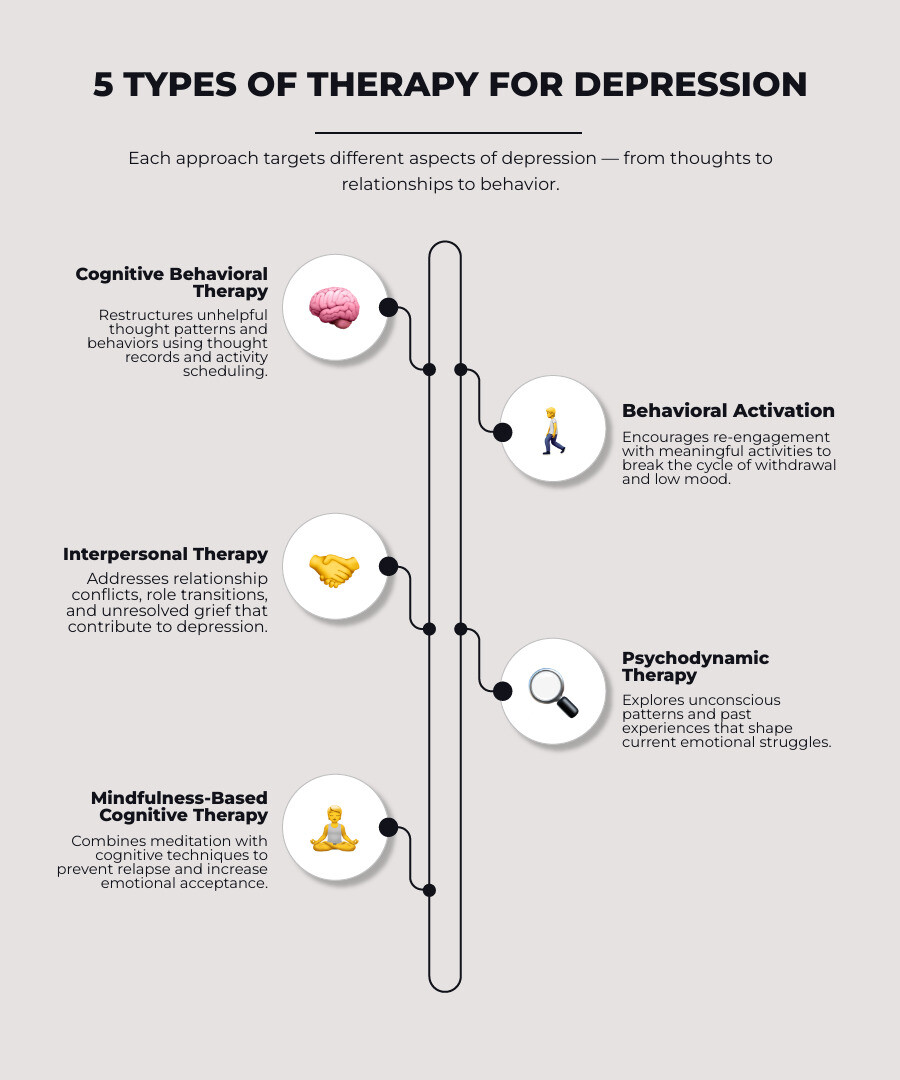
Exploring the different types of therapy for depression can help you find the right fit for your symptoms, goals, and preferences. The main options include cognitive behavioral therapy (CBT), behavioral activation, interpersonal therapy (IPT), and psychodynamic therapy. CBT helps you work with unhelpful thoughts and habits. Behavioral activation helps you return to meaningful activities. IPT focuses on relationships and life changes. Psychodynamic therapy explores patterns that may be hard to spot on your own.
Mindfulness-Based Cognitive Therapy (MBCT) may also help reduce the risk of future depressive episodes, particularly for individuals with a history of recurrent depression. For more severe depression, therapy may be combined with medication support.
Different types of therapy for depression helpful reading:
Exploring the Different Types of Therapy for Depression

Depressive episodes can alter emotional regulation, drain energy, and cast a persistent shadow over daily life. Fortunately, psychotherapy offers validated, structured pathways toward relief. Research suggests that psychotherapy can improve depressive symptoms and may be associated with changes in brain activity related to emotional processing and regulation.
Navigating the landscape of psychological care begins with recognizing that evidence based approaches are carefully tailored to address distinct aspects of mood disorders. According to clinical research on psychotherapy interventions, professional mental healthcare relies on several foundational modalities to assist individuals through depressive episodes. Choosing the right care pathway involves understanding how these modalities operate, their distinct therapeutic targets, and how discovering effective evidence based treatment for depression can transform daily functioning.
Cognitive Behavioral Therapy and Behavioral Activation
Cognitive behavioral therapy is one of the most widely researched interventions for depression. CBT operates on the core principle that cognitive interpretations, emotional states, and physical actions are closely interconnected. When facing a depressive episode, individuals often develop automatic negative thoughts, such as assuming that personal efforts will fail or viewing minor challenges as permanent setbacks.
Therapists utilize cognitive restructuring to help clients identify these distorted thinking patterns and replace them with objective, balanced perspectives. Through structured thought records, clients learn to evaluate the objective evidence for their thoughts rather than accepting distressing self talk as absolute truth.
Behavioral activation serves as both a primary component of CBT and a powerful standalone treatment. Depression frequently pulls people into cycles of withdrawal, where fatigue and low motivation lead to isolation, reducing positive reinforcement and deepening low mood. Behavioral activation directly disrupts this cycle by focusing on actions rather than waiting for internal motivation to appear.
Therapists guide clients through behavioral monitoring to observe the link between daily routines and mood fluctuations. From there, structured activity scheduling helps individuals gradually reintroduce rewarding, values aligned activities back into their schedule. By utilizing practical tools used in depression therapy, clients learn to build momentum through manageable, small steps that foster mastery and pleasure.
Interpersonal Psychotherapy and Relational Approaches
Interpersonal psychotherapy is a structured, time limited modality centered on the connection between mood and social functioning. IPT recognizes that life stressors, interpersonal conflicts, and social isolation can trigger or sustain depressive episodes. Rather than focusing primarily on internal thought distortions, IPT addresses how relationship dynamics shape emotional health.
Therapy typically focuses on four key interpersonal problem areas:
- Unresolved grief following a significant personal loss or life transition
- Role disputes where expectations clash with partners, family members, or colleagues
- Role transitions such as career changes, retirement, or navigating new family dynamics
- Interpersonal sensitivity or deficits that make establishing and keeping supportive connections challenging
Through communication analysis, role-play, and targeted problem-solving, clients learn to express emotional needs clearly, resolve ongoing interpersonal tension, and build strong social networks. Interpersonal and Social Rhythm Therapy (IPSRT), an approach developed primarily for bipolar disorder, builds on interpersonal strategies while emphasizing consistent daily routines and sleep-wake patterns.
Mindfulness Based Cognitive Therapy and Acceptance Modalities
Mindfulness based cognitive therapy integrates traditional cognitive techniques with mindfulness meditation practices. MBCT was specifically developed to help individuals with recurrent depressive episodes avoid relapse. In recurring depression, temporary low moods can easily reactivate deeply ingrained habits of rumination and self criticism.
MBCT teaches cognitive defusion, which is the skill of viewing negative thoughts as passing mental events rather than absolute facts about reality. Instead of struggling against uncomfortable feelings or trying to push sadness away, individuals cultivate an attitude of acceptance and curious awareness. This nonjudgmental approach may help individuals respond differently to negative thought patterns and reduce their risk of future depressive episodes.
Acceptance and Commitment Therapy extends these principles by encouraging clients to accept internal emotional experiences while committing to meaningful action. Rather than spending valuable energy trying to eliminate depressive symptoms before engaging with the world, ACT empowers people to pursue personal values even in the presence of challenging emotions.
Psychodynamic, Supportive, and Specialized Modalities
Psychodynamic therapy focuses on uncovering unconscious conflicts, relational habits, and early developmental experiences that contribute to current depressive symptoms. By examining emotional processing within the supportive therapeutic relationship, clients gain deep insight into hidden emotional conflicts, defense mechanisms, and recurring interpersonal dynamics. This modality helps individuals resolve deeply rooted emotional burdens, leading to enhanced self awareness and long term emotional growth.
Supportive counseling provides an empathetic, collaborative environment focused on immediate problem solving, emotional containment, and strengthening current coping strategies. For individuals navigating intense acute stressors or life crises, supportive therapy offers steady validation and practical encouragement.
Specialized approaches also offer targeted relief for unique depressive presentations. Eye Movement Desensitization and Reprocessing (EMDR) is primarily used to treat trauma-related symptoms and PTSD. It may be considered when unresolved traumatic experiences contribute to a person’s depressive symptoms, although research supporting EMDR specifically for depression is more limited than for established treatments such as CBT and IPT. Clinicians often integrate elements from multiple evidence- based models to craft a personalized treatment experience.
Comparing Evidence, Duration, and Treatment Formats
Selecting a therapy format involves examining clinical evidence, anticipated time commitments, and personal scheduling needs. A comprehensive network meta analysis on the comparative efficacy of psychotherapies demonstrated that evidence based psychological interventions consistently outperform waitlist controls, with major modalities showing comparable overall therapeutic benefits.
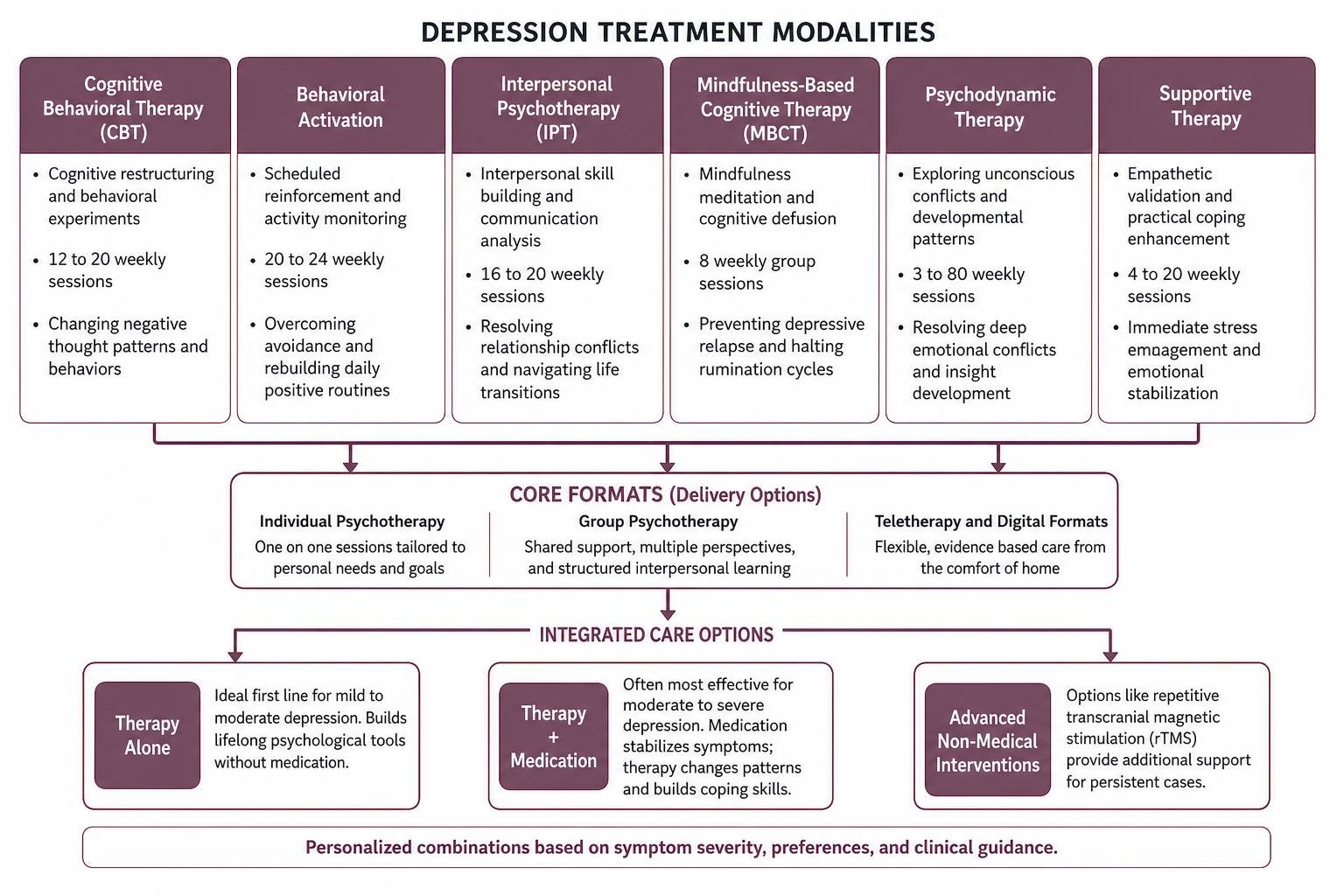
| Therapy Modality | Primary Therapeutic Mechanism | Typical Session Range | Primary Clinical Focus |
|---|---|---|---|
| Cognitive Behavioral Therapy | Cognitive restructuring and behavioral monitoring | 8–16 sessions, depending on severity | Modifying unhelpful thoughts and negative behavioral loops |
| Behavioral Activation | Scheduled reinforcement and activity monitoring | 8 to 16 weekly sessions | Overcoming avoidance and rebuilding daily positive routines |
| Interpersonal Psychotherapy | Interpersonal skill building and communication analysis | 8 to 16 weekly sessions | Resolving relationship conflicts and navigating life transitions |
| Mindfulness Based Cognitive Therapy | Mindfulness meditation and cognitive defusion | 8 weekly group sessions | Preventing depressive relapse and halting rumination cycles |
| Psychodynamic Therapy | Exploring unconscious conflicts and developmental patterns | 3 to 80 weekly sessions | Resolving deep emotional conflicts and insight development |
| Supportive Therapy | Empathetic validation and practical coping enhancement | 4 to 20 weekly sessions | Immediate stress management and emotional stabilization |
Core Formats Across Different Types of Therapy for Depression
The delivery format of psychological care can be customized to match personal comfort, scheduling realities, and therapeutic goals.

- Individual Psychotherapy: One on one sessions provide a dedicated, private space to address deeply personal challenges, explore nuanced family history, and tailor clinical techniques directly to personal progress.
- Group Psychotherapy: Group programs, often utilized in modalities like MBCT, create a shared space that reduces feelings of isolation. Groups offer dynamic peer support, multiple perspectives, and structured interpersonal learning.
- Teletherapy and Digital Formats: Virtual care provides flexible, evidence based psychological support from the comfort of home. Engaging with online therapy for depression ensures consistent care without the logistical hurdles of commuting.
Session Duration and Expected Timelines
Standard therapy protocols follow a structured timeline designed to foster independence and long term resilience. Most evidence based therapies for depression begin with weekly sessions lasting standard clinical session lengths. During the initial phase, therapists focus on assessment, building a safe therapeutic alliance, and introducing foundational coping skills.
As clients reach meaningful recovery milestones, session frequency often transitions to bi weekly meetings to practice applying tools independently. Many clinicians schedule periodic booster sessions in the months following active treatment to reinforce progress, review relapse prevention strategies, and sustain long term emotional well being.
How Psychotherapy Compares to and Combines with Other Treatments
Psychological therapy forms a cornerstone of comprehensive depression care, but understanding how it relates to medical interventions helps clarify the full treatment landscape. For mild to moderate depressive episodes, psychotherapy alone often serves as an ideal first line intervention, helping individuals build lifelong psychological tools without physiological side effects.
When addressing moderate to severe depression, multimodal approaches frequently provide the greatest relief. A large-scale network meta-analysis of depression treatments published in eClinicalMedicine highlights that combining psychological therapy with medical care often yields superior results compared to either approach used entirely on its own. Antidepressant medications can help reduce depressive symptoms, including persistent low mood, changes in sleep, and difficulties with concentration or energy. Psychotherapy addresses unhelpful thought patterns, behavioral habits, relationship challenges, and coping strategies.
Combining Talk Therapy with Antidepressant Medication
Integrating psychotherapy with medication offers significant clinical synergy. Antidepressant medication can help lift profound mental fog, alleviate severe lethargy, and restore sleep patterns, creating the emotional bandwidth required to actively engage in therapy sessions.
Regular therapy sessions can help individuals develop coping skills, monitor emotional changes, and address challenges that may affect treatment progress. When appropriate, therapists and prescribing providers can coordinate care to support an individual’s overall treatment plan. Collaborative communication between prescribing clinicians and licensed therapists ensures that every dimension of a person’s health is harmoniously supported.
Choosing the Best Therapeutic Approach for Your Needs
Finding the right therapeutic path is an individualized process that depends on your specific symptoms, history, and personal values. Recognizing the unique signs and symptoms of depression you experience allows a clinician to recommend the most fitting modality.
When selecting a therapeutic approach, consider which area of your life feels most impacted:
- If your struggle involves self criticism, perfectionism, or catastrophic thoughts, CBT provides direct tools for mental clarity.
- If you feel stuck in apathy, exhaustion, or social withdrawal, behavioral activation helps rebuild healthy daily habits.
- If your low mood is tied to divorce, loneliness, career upheaval, or family disputes, IPT offers practical relational relief.
- If you find yourself overthinking or worrying about past episodes returning, MBCT offers strong preventive mindfulness skills.
Selecting Among Different Types of Therapy for Depression by Symptom Severity
Depression presents along a spectrum of severity, and treatment should align accordingly. For mild depression, structured problem-solving therapy, guided self-help, and cognitive behavioral approaches may help reduce symptoms and improve daily functioning. Treatment needs and recovery timelines vary, and temporary low mood does not always require formal depression treatment.
Many people also experience high-functioning depression, where they maintain professional responsibilities and outward success while privately enduring persistent emotional emptiness, chronic fatigue, and self-criticism. In these situations, psychodynamic therapy, ACT, or CBT can help individuals unpack underlying emotional demands and foster genuine self-compassion. For severe depression, treatment often involves a combination of evidence-based psychotherapy and medication management. Depending on symptom severity, safety concerns, and individual needs, more intensive psychiatric services or additional treatments may be recommended.
Preparing for Your First Session and Navigating Care
Starting therapy is a courageous and positive step toward reclaiming well being. Understanding what depression therapy is really like helps ease initial uncertainty. During your initial intake, your therapist will ask questions about your personal history, current symptoms, sleep habits, and daily stressors. This session is an open, collaborative conversation designed to establish therapeutic rapport and outline your personal goals.
To prepare for your first session:
- Note down primary symptoms, daily patterns, or specific triggers you have noticed recently
- Reflect on what successful therapy looks like for you, whether that is increased energy, better communication, or calmer thoughts
- Prepare questions regarding your therapist’s clinical approach, scheduling availability, and experience
- Review practical logistics like your depression therapy insurance coverage to ensure a seamless administrative experience
Frequently Asked Questions About Depression Therapy
Which therapy modality is most effective for depression?
Research supports several effective treatments for depression, including cognitive behavioral therapy, interpersonal psychotherapy, behavioral activation, and acceptance and commitment therapy. No single approach is best for everyone, and treatment selection should consider symptom severity, individual preferences, clinical needs, and therapist expertise. The most effective modality is ultimately the one that aligns best with your specific symptom profile, personal values, and the quality of your relationship with your therapist.
How long does it take for depression therapy to work?
Many individuals begin to notice positive shifts in perspective and coping ability within several weeks of regular sessions. Structured, short term protocols typically span several months to achieve robust symptom reduction and skill integration, while deeper psychodynamic work may extend over a longer duration to address long standing emotional patterns.
Can therapy treat depression without medication?
Yes. Evidence-based psychotherapy can be an effective standalone treatment for many individuals with mild to moderate depression. However, some people may benefit from medication or a combination of treatments, depending on symptom severity, treatment history, and personal preferences. It equips individuals with practical coping mechanisms, cognitive reframing tools, and behavioral strategies that create enduring mental health improvements. For more severe depressive episodes, combining therapy with medical support is often evaluated collaboratively.
Conclusion
Depression can make daily life feel overwhelming, but you do not have to navigate the journey toward recovery alone. Understanding the different modalities of care empowers you to make informed, confident choices about your mental healthcare. Whether through cognitive reframing, interpersonal healing, mindfulness practices, or psychodynamic insight, effective support is available.
At Collective Counseling Solutions, we simplify access to dedicated, licensed therapists who accept insurance, offering compassionate care through both in person sessions and secure teletherapy. Discover personalized, specialized therapy for depression and connect with a provider who matches your goals today.
Scientific References
Karrouri R, Hammani Z, Benjelloun R, Otheman Y. “Major depressive disorder: Validated treatments and future challenges..” World journal of clinical cases, 2021. PMCID PMC8610877.