
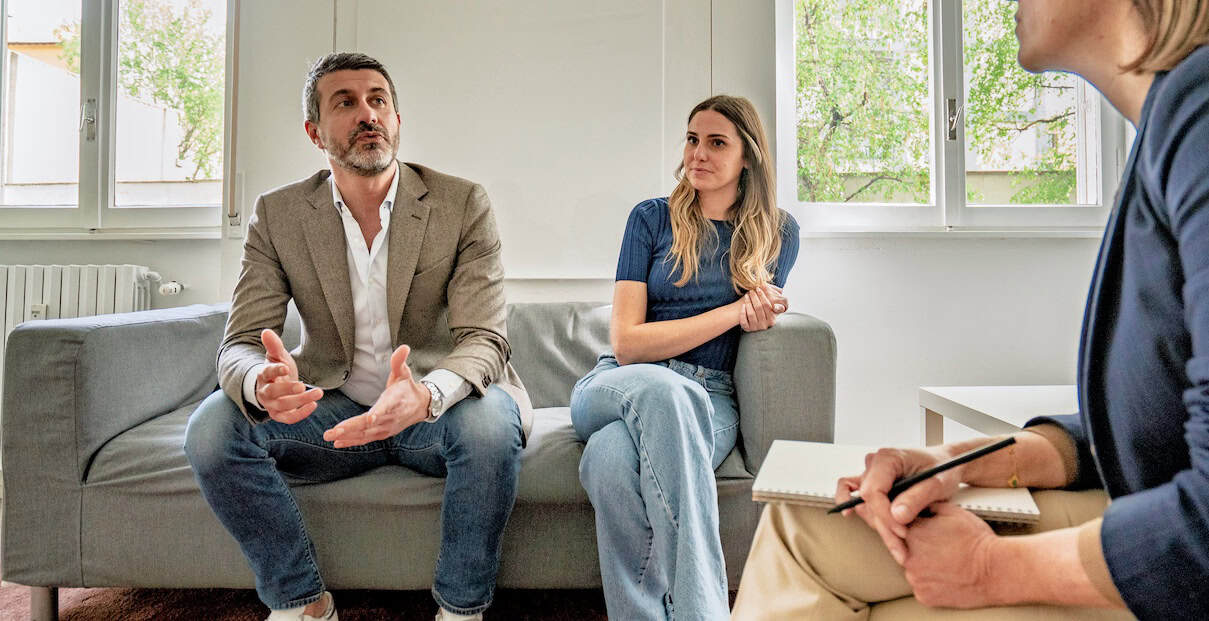
Relationships are one of the most meaningful parts of life but they can also be complex, emotional, and, at times, overwhelming. Even strong, loving couples can find themselves stuck in patterns of conflict, miscommunication, or emotional distance. When this happens, couples therapy offers a structured, supportive space to reconnect, rebuild trust, and move forward together.
If you’ve ever wondered what actually happens in couples therapy, you’re not alone. Many people feel curious and even a little nervous about the process. This guide will walk you through what to expect, how it works, and how it can transform your relationship.
What Is Couples Therapy?
Couples therapy (also known as marriage counseling or relationship therapy) is a form of psychotherapy designed to help partners better understand one another, resolve conflict, and strengthen their relationship.
Unlike talking to friends or family, therapy provides a neutral environment guided by a trained professional. The therapist’s role isn’t to take sides, but to help both partners feel heard, understood, and supported.
In couples therapy, partners work together to:
- Improve communication
- Identify unhealthy patterns
- Resolve conflicts more effectively
- Rebuild trust
- Strengthen emotional connection
- Develop shared goals for the future
Therapists often use evidence-based approaches like Emotionally Focused Therapy (EFT), the Gottman Method, Cognitive Behavioral Therapy (CBT), and attachment-based therapy to guide the process.
Why Couples Seek Therapy
One of the biggest misconceptions about couples therapy is that it’s only for relationships in crisis. In reality, couples at all stages, dating, engaged, married, or long-term, can benefit.
Couples often seek therapy when they experience:
- Communication breakdowns
- Frequent or unresolved arguments
- Trust issues or infidelity
- Emotional distance or disconnection
- Stress from major life changes
- Preparation for marriage or long-term commitment
The earlier couples address challenges, the easier it is to prevent them from becoming deeply ingrained patterns.
What Actually Happens in Couples Therapy?
Understanding the structure of therapy can help ease anxiety and set realistic expectations. While every therapist has their own style, most couples therapy follows a similar process.
1. The Initial Assessment
The first few sessions are focused on getting a clear picture of your relationship.
Your therapist will typically:
- Ask about your relationship history
- Explore current challenges
- Identify strengths in the relationship
- Clarify your goals for therapy
Sometimes, therapists may meet with each partner individually and together. This helps create a fuller understanding of each person’s perspective.
This stage is less about “fixing” things and more about understanding what’s really going on beneath the surface.
2. Identifying Patterns
Many relationship issues aren’t about a single argument. They’re about repeating patterns.
For example:
- One partner withdraws while the other pursues
- Conversations escalate quickly into conflict
- Difficult topics are avoided entirely
In therapy, couples learn to recognize these cycles and understand the emotions driving them. Often, what looks like anger or criticism is actually rooted in deeper feelings like fear, hurt, or insecurity.
This step is powerful because it shifts the focus from “Who’s right?” to “What’s happening between us?”
3. Learning New Skills
A core part of couples therapy is building practical relationship skills that can be used outside of sessions.
These may include:
- Active listening (truly hearing your partner without interrupting)
- Emotional validation (acknowledging your partner’s feelings)
- Clear communication (expressing needs without blame)
- Conflict resolution strategies
- Repair techniques after arguments
These skills help couples break old habits and create healthier ways of interacting.
4. Strengthening Emotional Connection
Beyond solving problems, couples therapy focuses on rebuilding emotional intimacy.
Partners learn how to:
- Be vulnerable with one another
- Offer empathy and support
- Reconnect emotionally
- Build trust and security
Over time, many couples report feeling closer, more understood, and more connected than they have in years.
Common Issues Addressed in Couples Therapy
While every relationship is unique, there are several challenges that therapists commonly help couples navigate.
Communication Problems
Poor communication is one of the most frequent concerns.
This can include:
- Misunderstandings
- Defensive reactions
- Escalating arguments
- Avoiding difficult conversations
Therapy helps couples develop healthier communication habits that reduce conflict and increase understanding.
Conflict and Recurring Arguments
All couples argue, but when conflicts go unresolved, they can damage the relationship over time.
In therapy, couples learn to:
- Understand each other’s perspectives
- Manage disagreements constructively
- Avoid harmful behaviors like criticism or contempt
The goal isn’t to eliminate conflict, but to handle it in a way that strengthens rather than harms the relationship.
Infidelity and Trust Issues
Trust can be deeply shaken by betrayal, but it is possible to rebuild.
Couples therapy for infidelity focuses on:
- Understanding what happened
- Processing emotions
- Rebuilding transparency
- Creating new agreements moving forward
This process takes time, but many couples can heal and grow stronger.
Emotional Distance
Sometimes, the issue isn’t conflict; it’s disconnection.
Partners may feel:
Lonely within the relationship
Unseen or unsupported
Emotionally distant
Therapy helps couples reconnect and rebuild intimacy, often by addressing unmet emotional needs.
Premarital Counseling
Couples don’t have to wait for problems to arise.
Premarital counseling helps partners:
- Discuss finances, family expectations, and parenting
- Understand each other’s communication styles
- Build a strong foundation for the future
This proactive approach can prevent many future conflicts.
Online Couples Therapy: A Modern Approach
Today, many couples choose online therapy for its flexibility and convenience.
Instead of traveling to an office, sessions take place via secure video calls. This makes therapy more accessible, especially for:
- Busy professionals
- Parents with limited childcare
- Long-distance couples
- Those in rural areas
Research shows that online couples therapy can be just as effective as in-person sessions for many concerns.
The Benefits of Couples Therapy
Couples therapy isn’t just about solving problems. It’s also about creating a healthier, more fulfilling relationship.
Some of the key benefits include:
- Stronger communication
- Healthier conflict resolution
- Rebuilt trust
- Greater emotional intimacy
- Long-term relationship stability
Many couples also gain a deeper understanding of themselves, not just their partner.
When Couples Therapy Might Not Be the Right Fit
While therapy is beneficial for many relationships, there are situations where other forms of support may be needed first.
These include:
- Active domestic violence
- Severe untreated addiction
- When one partner refuses to participate
In these cases, individual therapy or specialized support may be recommended.
How to Get the Most Out of Couples Therapy
The success of therapy often depends on the mindset couples bring into it.
Here are a few tips:
- Stay open-minded – Growth often requires self-reflection
- Focus on collaboration – Not “winning” arguments
- Practice outside sessions – Real change happens in daily life
- Be patient – Lasting change takes time
Therapy is a process, not a quick fix, but the results can be deeply rewarding.
How Long Does Couples Therapy Take?
There’s no one-size-fits-all timeline.
Some couples notice improvements within a few months, while others continue for longer to do deeper work. The length depends on:
- The complexity of the issues
- The couple’s goals
- How consistently they apply what they learn
- The important thing is progress, not speed.
Taking the First Step
Starting couples therapy can feel intimidating. It requires vulnerability, honesty, and a willingness to change. But it’s also one of the most meaningful steps you can take for your relationship.
Seeking therapy isn’t a sign of failure. It’s a sign that you care enough to invest in your relationship’s future.
Through couples therapy, partners can:
- Break unhealthy patterns
- Rebuild trust
- Strengthen emotional connection
- Create a more secure and fulfilling partnership
Final Thoughts
So, what happens in couples therapy?
At its core, it’s a process of understanding, growth, and reconnection. It’s where couples learn to listen more deeply, communicate more clearly, and support each other more effectively.
Whether you’re navigating conflict, recovering from betrayal, preparing for marriage, or simply wanting a stronger bond, couples therapy provides the tools and guidance to help you move forward together.
Every relationship faces challenges. You don’t have to face them alone. The therapists at Collective Counseling Solutions are here to help. Contact us to find a therapist in your area who specializes in couples counseling and get started today.