

Workplace Stress Shouldn’t Take Over Your Life
Job stress counseling services help working professionals identify the root causes of work-related stress, develop healthier coping strategies, and prevent burnout from spiraling into serious physical or mental health conditions.
Here’s what job stress counseling typically involves:
- Assessment: A licensed therapist evaluates your symptoms, triggers, and history
- Evidence-based therapy: Approaches like CBT, ACT, or MBSR are tailored to your needs
- Practical tools: Boundary-setting, communication skills, and daily stress management techniques
- Flexible access: In-person or teletherapy sessions, often covered by insurance or EAPs
- Ongoing support: Regular sessions to track progress and adjust your plan
Think about this for a moment: the average full-time worker spends roughly 90,000 hours at work over the course of their lifetime. That’s about one-third of your entire life.
And for most people, that time doesn’t feel rewarding. According to the American Psychological Association, 65% of U.S. employees feel stressed by their jobs, with more than one in three experiencing chronic work stress. That’s not occasional deadline pressure. That’s a persistent, grinding weight that follows you home, disrupts your sleep, and quietly affects your health.
The problem isn’t just feeling tired on a Monday. Chronic job stress is linked to anxiety, depression, cardiovascular disease, and even substance use. It bleeds into your relationships. It changes how you feel outside the office.
Most people wait too long to get help, hoping a long weekend or a vacation will fix what’s actually a clinical issue. It usually doesn’t.
That’s exactly where professional job stress counseling services come in.
The Physical and Mental Cost of Chronic Work Pressure
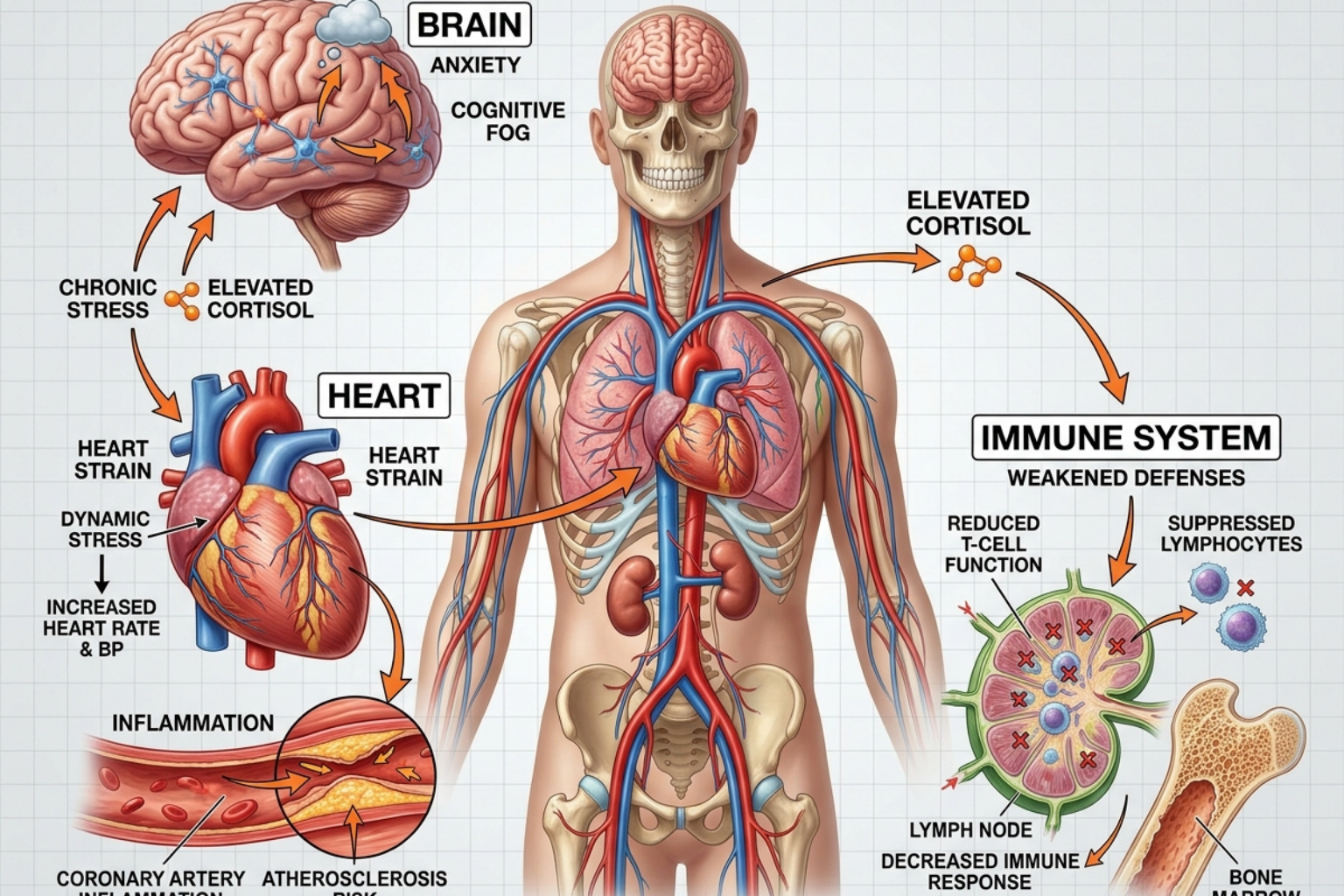
When we talk about “stress,” we often treat it as a vague, mental annoyance. But in May 2026, the clinical reality is much more serious. Stress is a physiological event. When your boss sends a passive-aggressive email at 9:00 PM, your brain doesn’t see a “notification.” It sees a threat.
Your body responds by flooding your system with cortisol and adrenaline. In the short term, this “fight or flight” response helps you meet a deadline. But when that flood never recedes, the damage begins. Chronic work pressure is a known contributor to hypertension, weakened immune systems, and gastrointestinal distress. Over time, the constant strain on the heart increases the risk of cardiovascular disease. Essentially, your body is stuck in survival mode, and it wasn’t designed to stay there for 40+ hours a week.
Knowing when work stress means its time to seek help is the first step toward reclaiming your health.
Recognizing the Warning Signs
It is important to distinguish between a “busy week” and a clinical problem. Many professionals experience the “Sunday Scaries,” that heavy pit of anxiety that forms on Sunday afternoon as the work week looms. While common, it shouldn’t be your default state.
Other red flags include:
- Insomnia: Tossing and turning while replaying meetings in your head.
- Irritability: Snapping at colleagues or loved ones over minor issues.
- Cognitive Fog: Finding it harder to concentrate or make simple decisions.
- Somatic Complaints: Frequent headaches, jaw clenching, or muscle tension.
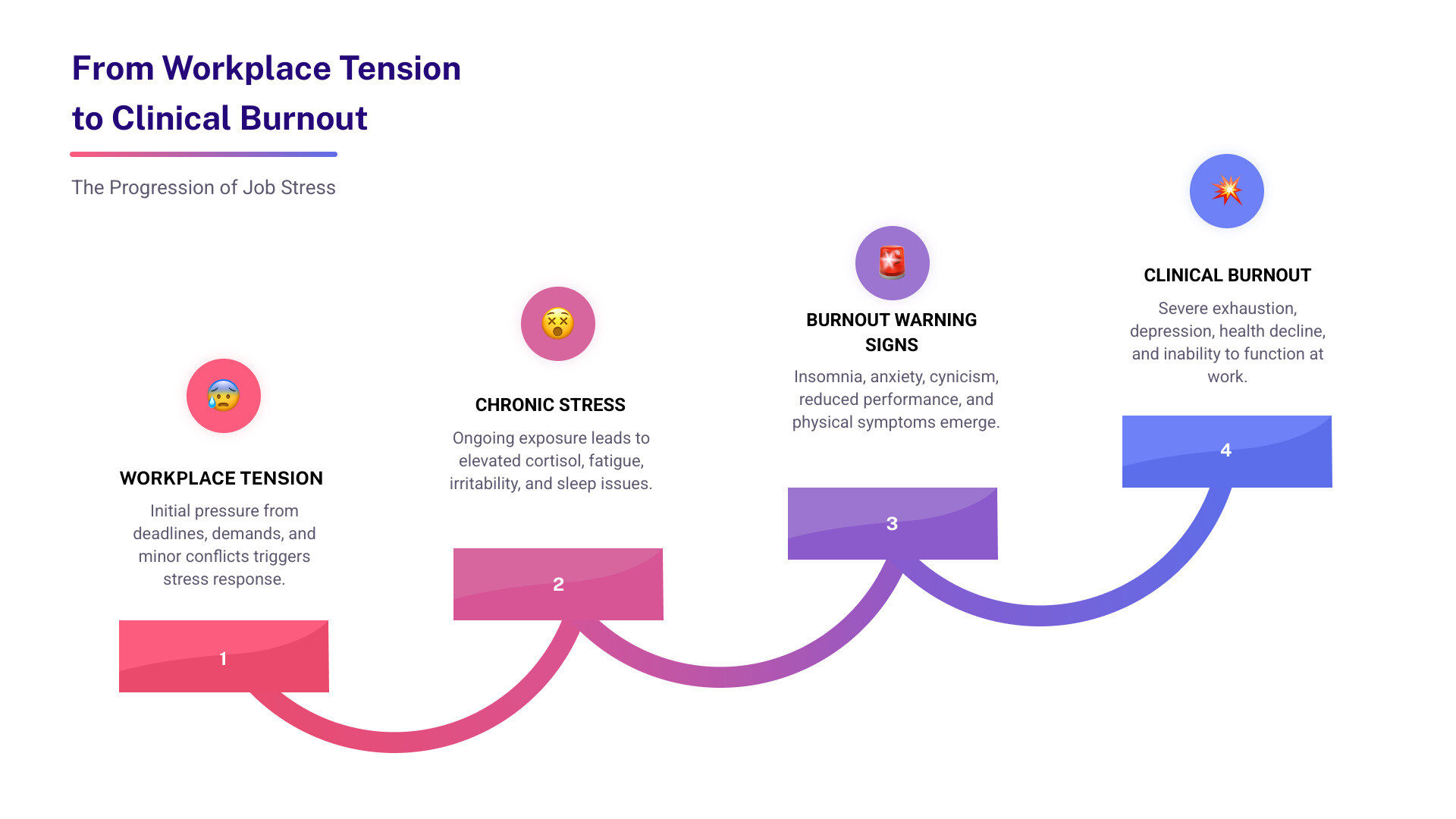
Understanding the difference in stress vs burnout knowing when to seek help is vital. Burnout isn’t just being tired; it’s a state of emotional, physical, and mental exhaustion caused by excessive and prolonged stress.
The Ripple Effect on Personal Life
Work stress rarely stays at the office. It follows you into your living room, your kitchen, and your bedroom. Chronic stress often leads to relationship strain as you become emotionally unavailable or perpetually “on edge.” In many cases, individuals turn to unhealthy coping mechanisms, such as increased alcohol or caffeine consumption, to manage their moods.
This spillover effect can lead to a loss of interest in hobbies and a general sense of detachment from the people who matter most. Seeking therapy for stress isn’t just about performing better at your job; it’s about protecting your life outside of it.
| Feature | Healthy Stress (Eustress) | Chronic Burnout |
|---|---|---|
| Duration | Short-term/Project-based | Persistent/Never-ending |
| Motivation | Increases focus and energy | Leads to cynicism and apathy |
| Recovery | Resolved by rest or completion | Not fixed by a vacation |
| Physical Impact | Temporary heart rate increase | Chronic hypertension/fatigue |
The Role of Professional Job Stress Counseling Services in 2026
By 2026, the “hustle culture” of the past decade has been largely debunked as a recipe for clinical disaster. Modern job stress counseling services are no longer seen as a “last resort” for those who can’t hack it. Instead, they are viewed as a high-level tool for professional maintenance.
Unlike career coaching, which focuses on your resume and leadership strengths, counseling focuses on your internal landscape. A therapist helps you navigate the complex emotional dynamics of the workplace, from dealing with a toxic supervisor to managing the deep-seated fear of failure known as imposter syndrome.

Why Job Stress Counseling Services Are Essential for High-Pressure Roles
Certain professions carry a higher emotional “tax.” In fields like “Big Tech,” the pressure for constant innovation and 24/7 connectivity can be suffocating. For first responders and healthcare workers, the stress is even more visceral, often involving compassion fatigue or survivor’s guilt.
These high-functioning individuals often develop “hypervigilance,” a state where they are always waiting for the next crisis. Specialized therapy for stress/high functioning adults provides a safe space to decompress and process these intense experiences without judgment.
The Clinical Advantage of Professional Counseling
While talking to a friend can help, it doesn’t replace clinical intervention. Professional counselors are trained to identify the “schemas” or patterns you might have learned earlier in life, like perfectionism or people-pleasing, that make you more vulnerable to workplace exploitation.
Counseling also allows for trauma processing. If you have experienced a traumatic layoff or workplace bullying, those events can leave lasting psychological scars. Through how therapy helps with chronic stress, you can learn to reframe these experiences and build a more resilient professional identity.
Evidence-Based Modalities: How Therapy Heals Burnout
One of the most common questions people ask is: “What actually happens in a session?” Modern job stress counseling services utilize specific, science-backed methods to help you rewire your response to pressure.
One of the gold standards is Cognitive Behavioral Therapy (CBT). CBT helps you identify the connection between your thoughts, feelings, and actions. For example, if you find yourself replaying a meeting for three days, a CBT therapist will help you challenge those spiraling thoughts and replace them with more balanced perspectives. This can be especially helpful when you are looking for therapy support for burnout and chronic stress.
What to Expect from Modern Job Stress Counseling Services
Your journey usually begins with an intake session. This isn’t just a “chat.” It’s an assessment where the therapist learns about your workplace environment, your physical symptoms, and your goals. From there, you’ll work together on how to manage stress in the workplace by setting clear, achievable milestones.
At Collective Counseling Solutions, we simplify this process by matching you with a therapist who understands your specific industry and accepts your insurance, ensuring that getting help doesn’t become another source of stress.
Advanced Therapeutic Techniques
Beyond CBT, several other modalities are highly effective:
- Dialectical Behavior Therapy (DBT): Excellent for “distress tolerance.” It’s often described as learning to breathe underwater rather than pretending the flood isn’t happening.
- Acceptance and Commitment Therapy (ACT): Focuses on aligning your daily work actions with your personal values.
- Mindfulness-Based Stress Reduction (MBSR): Uses techniques like body scans and yoga to lower the body’s physical stress response.
- EMDR: Useful for processing specific workplace traumas, such as harassment or sudden job loss.
These techniques are especially relevant today as we navigate zoom fatigue and slack overload tackling digital stress in remote work.
Practical Techniques for Restoring Work-Life Balance
While therapy provides deep healing, you also need “boots-on-the-ground” strategies for your 9-to-5. Restoring balance is a skill that can be learned and practiced.
One of the most important skills is boundary setting. In an era of digital connectivity, the office never truly closes unless you close it. This might mean setting firm “digital sunset” times where you stop checking email, or learning how to feel less stressed at work by saying “no” to tasks that fall outside your job description.
For those in leadership, understanding how can employers reduce stress in the workplace a guide to effective stress management introduction is essential for creating a sustainable team culture.
Daily Stress Management Habits
You can implement several techniques right at your desk:
- Deep Breathing: 4-7-8 breathing can lower your heart rate in less than sixty seconds.
- Progressive Muscle Relaxation: Systematically tensing and releasing muscle groups from your toes to your face to release physical tension.
- Stress Journaling: Identifying specific triggers (people, times of day, or types of tasks) to find patterns in your stress.
If you manage others, learning how to manage stress among your team members can prevent collective burnout and improve overall productivity.
Leveraging Professional Support Systems
Don’t overlook the resources already available to you. Many companies offer Employee Assistance Programs (EAPs) that provide a set number of free counseling sessions. Additionally, the rise of teletherapy has made it easier for busy professionals to fit sessions into their lunch breaks or evening hours. Online therapy is just as effective as in-person sessions for managing chronic work stress and offers the flexibility that modern careers demand.
Frequently Asked Questions about Workplace Mental Health
Are job stress counseling services covered by insurance?
In most cases, yes. Because chronic work stress often manifests as or contributes to diagnosable conditions like Generalized Anxiety Disorder or Adjustment Disorder, many insurance providers cover these sessions. Collective Counseling Solutions specializes in connecting you with licensed therapists who are in-network with major insurance plans.
How do I know if I need a therapist or just a vacation?
If you return from a week off and feel just as exhausted and cynical by Tuesday morning, you are likely dealing with burnout rather than simple fatigue. If your stress is impacting your sleep, your health, or your relationships, it is time to seek professional support. A vacation is a pause; therapy is a solution.
Can counseling help if my workplace environment is toxic?
Yes. While a therapist cannot change your boss’s personality or your company’s culture, they can equip you with the tools to manage your response to that environment. Counseling helps you build distress tolerance, improve assertive communication, and, if necessary, gain the clarity and confidence to plan a healthy exit strategy.
Conclusion
You spend one-third of your life at work. That time should be defined by growth and contribution, not by constant stress and a sense of dread. Professional job stress counseling services offer a path out of the cycle of chronic pressure and into a life of balance and resilience.
By seeking help early, you aren’t just improving your productivity. You are protecting your long-term health and your relationships. You are more than your output, and your well-being matters more than any to-do list.
Ready to take the first step toward a healthier professional life? Find a therapist to start your healing journey with Collective Counseling Solutions today. Whether you prefer in-person sessions or the convenience of teletherapy, we are here to help you reduce workplace stress and feel more supported.