

Why Finding a Licensed Therapist for Stress Management Matters
Licensed therapist stress management is one of the fastest and most effective ways to get lasting relief from anxiety, burnout, and chronic stress, especially when your therapist accepts insurance.
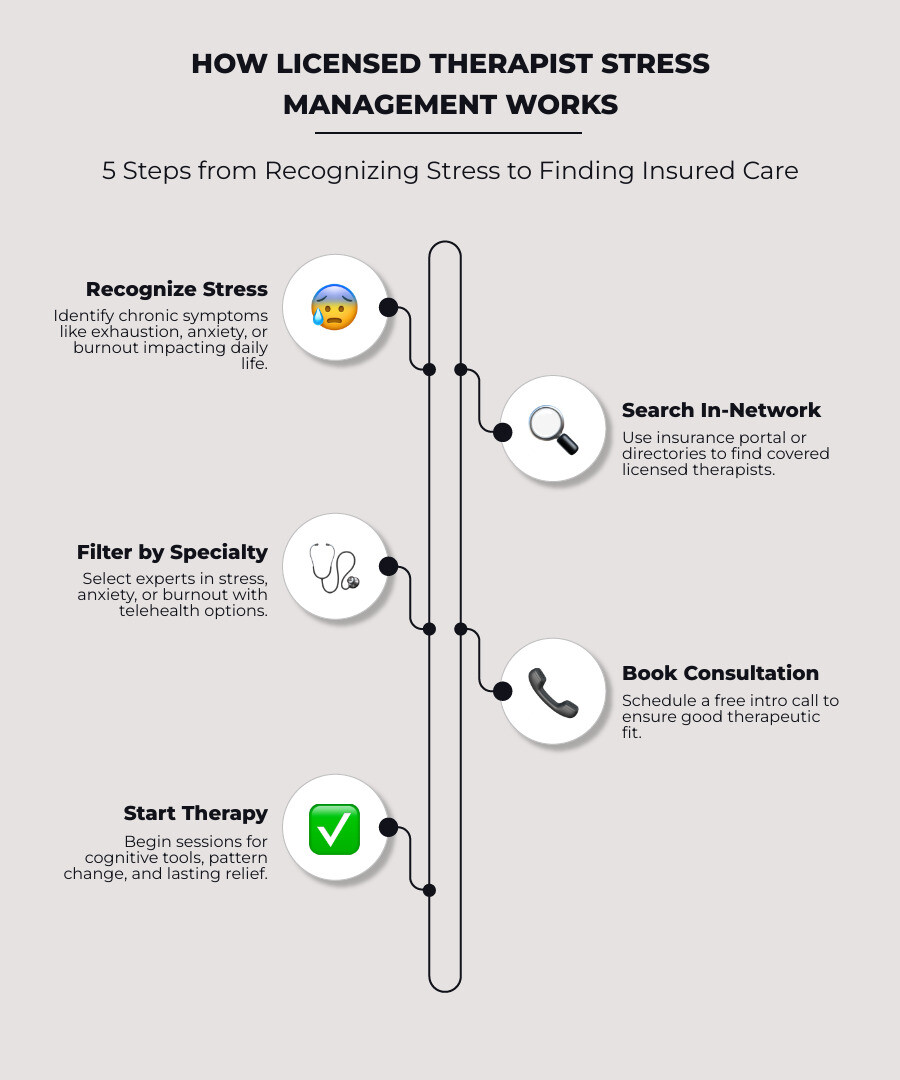
Here’s how to find one fast:
- Search for in-network providers through your insurance portal or a therapist directory
- Filter by specialty — look for therapists who list stress, anxiety, or burnout as focus areas
- Check for telehealth availability — online therapy cuts wait times and removes commute stress
- Book a free consultation — most licensed therapists offer a short intro call to confirm fit
- Confirm credentials — look for licensed professionals such as LPC, LCSW, or LCP
Stress is unavoidable. But chronic stress, the kind that follows you to bed, shows up in your body, and makes work feel like a daily battle, and is a different problem entirely.
Left unaddressed, it can contribute to serious health consequences including heart disease, high blood pressure, anxiety, depression, and even type 2 diabetes. And yet, there’s still a social pressure to simply “push through it.”
That’s exactly where a licensed therapist comes in. Therapists don’t just help you cope, they help you understand the patterns driving your stress and build real tools to change them.
At Collective Counseling Solutions, we connect busy professionals like you with insured, licensed therapists in person or via telehealth so you can start feeling better without the hassle.
Understanding Stress and Common Triggers in 2026
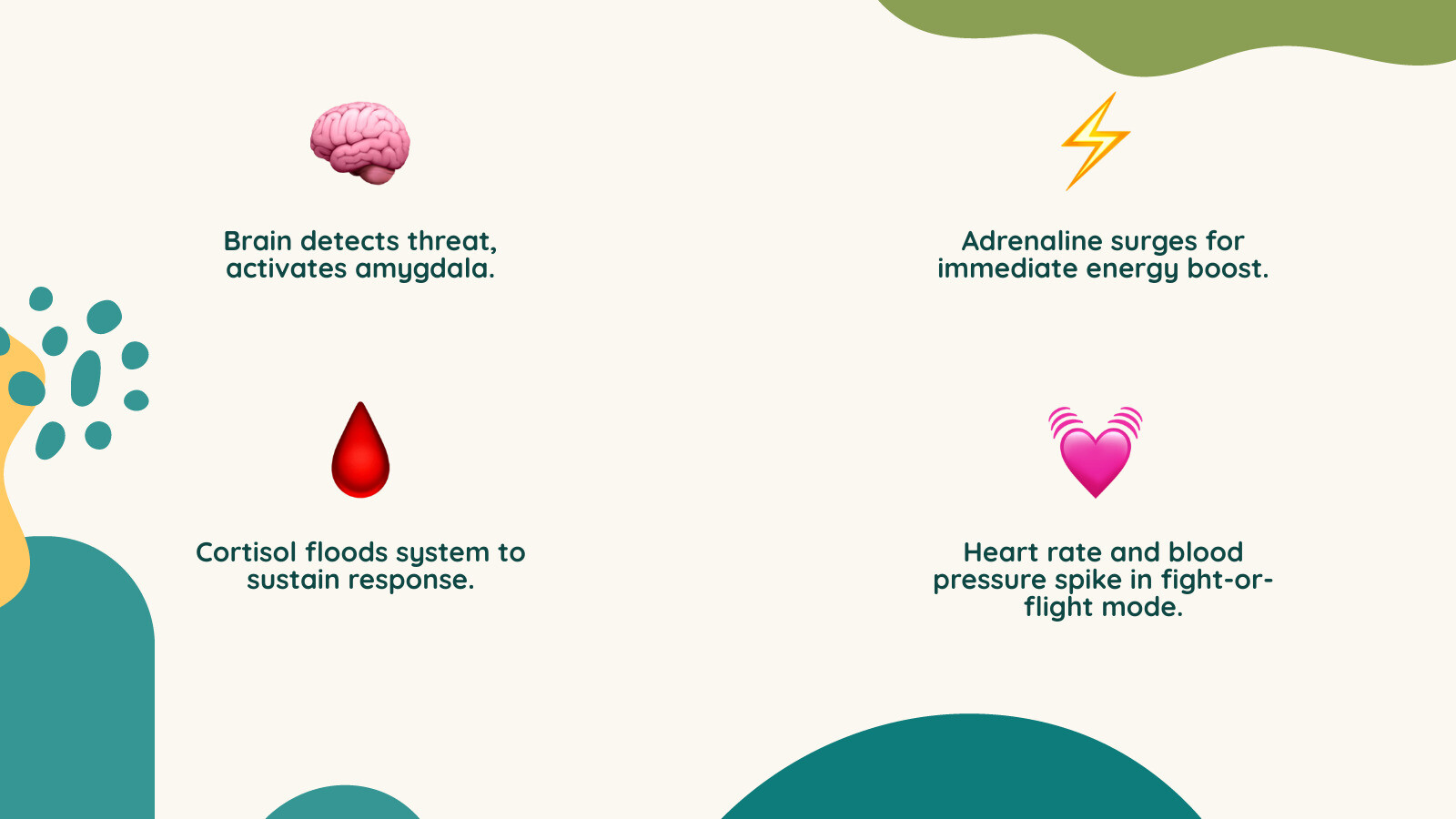
In 2026, the world moves faster than ever. While we often use the word “stressed” to describe a busy afternoon, clinical stress is actually a physiological response to demands that exceed our perceived resources. It is the body’s way of reacting to any demand or challenge. When you perceive a threat, whether it’s a looming work deadline or a difficult conversation, your body enters a “fight or flight” mode.

The Science of Stress: Your Body on High Alert
When the brain detects a stressor, it triggers the release of hormones like cortisol and adrenaline. This response is meant to be temporary. However, in our modern world, many people experience chronic stress, where the “off switch” never quite flips. The Science of Stress: Understanding How It Affects Your Body and Mind shows us that prolonged exposure to cortisol can lead to physical issues like GI distress, muscle tension, and fatigue.
Common Triggers According to Therapists
Therapists often categorize stress into several buckets to help clients identify where their pressure is coming from. Understanding What Are the Types of Stress? is the first step toward relief. Common triggers include:
- Work Pressures: High workloads, lack of control over tasks, and unclear job expectations.
- Life Transitions: Moving, changing careers, or becoming a new parent.
- Personal Struggles: Relationship conflicts or caring for aging parents (the “sandwich generation” struggle).
- Health Concerns: Managing chronic illness or general physical decline.
By utilizing Licensed Therapist Stress Management Services, individuals can pinpoint the specific life patterns triggering their stress that they may not even realize are happening.
Evidence-Based Techniques for Lasting Relief
Working with a professional isn’t just about “venting.” It’s about building a toolkit. Licensed therapists use scientifically backed methods to help you regulate your nervous system and change your relationship with stress.

Comparing Therapeutic Approaches
Two of the most effective modalities for stress are Cognitive Behavioral Therapy (CBT) and Acceptance and Commitment Therapy (ACT).
| Feature | Cognitive Behavioral Therapy (CBT) | Acceptance and Commitment Therapy (ACT) |
|---|---|---|
| Primary Goal | Change unhelpful thought patterns | Increase psychological flexibility |
| Method | Cognitive restructuring and behavior change | Mindfulness and values-based action |
| Focus | Identifying and challenging “irrational” thoughts | Accepting difficult feelings while moving toward goals |
Tangible Tools for Your Nervous System
Therapists often teach 4 Stress Management Techniques that provide immediate relief:
- Diaphragmatic Breathing: Also known as belly breathing, this signals the nervous system to calm down.
- Progressive Muscle Relaxation: Systematically tensing and releasing muscle groups to reduce physical tension.
- Mindfulness Meditation: Learning to stay grounded in the present moment rather than overthinking the past or future.
- Values Clarification: Identifying what truly matters to you to ensure your daily schedule aligns with your personal goals.
These 5 Effective Strategies for Stress Management and other Strategies for Stress Management are essential for anyone feeling “stuck” in a cycle of overwhelm. If you are looking for a roadmap, following What Are 7 Steps to Manage Stress? can provide a structured way to begin your healing journey.
How a Licensed Therapist for Stress Management Can Help
A Therapy for Stress specialist does more than just offer advice. They provide a safe, non-judgmental space to explore deep-seated patterns. Through cognitive restructuring, they help you “reprogram” negative thought loops like catastrophizing (expecting the worst-case scenario).
How Therapy Helps with Chronic Stress is by helping you return to meaningful activities that lift your mood and by strengthening practical problem-solving skills. When you Find a Licensed Therapist for Stress Management, you gain support from a professional who helps you build emotional resilience.
Benefits of Working with a Licensed Therapist for Stress Management
While self-care is great, professional therapy offers benefits that go beyond a bubble bath or a gym session:
- Physical Health: Lower blood pressure, better sleep, and reduced risk of heart disease.
- Emotional Control: A “quieter” inner voice and the ability to handle triggers without spiraling.
- Improved Relationships: Learning to set boundaries and communicate needs clearly.
- High-Functioning Support: Many Therapy for Stress: High-Functioning Adults programs focus on the “strong one” who looks fine on the outside but is drowning on the inside.
When Finding a Therapist for Stress: Things to Consider, look for someone who emphasizes agency building, helping you feel like the “main character” of your life again.
When to Seek Professional Licensed Therapist Stress Management
It can be hard to know when stress has crossed the line into something that requires professional help. One of the biggest signs is when you feel like you are just “shouldering” the weight rather than managing it.
Recognizing Burnout
Burnout isn’t just being tired; it is a state of overwhelming exhaustion, cynicism, and a sense of ineffectiveness. If you find yourself dragging yourself to work or using substances like alcohol to “mute” the day, it’s time to seek help. Understanding Stress vs Burnout: Knowing When to Seek Help can prevent long-term health decline.
Professional Therapy for Stress: Burnout is necessary when you experience:
- Unexplained physical complaints like headaches or stomach issues.
- Feelings of hopelessness or persistent irritability.
- Difficulty concentrating or getting started on simple tasks.
- Unprocessed grief or trauma that makes daily life feel heavy.
Whether it is work-related or personal, Personalized Stress Management Support can help you reclaim your energy. Don’t wait until your health declines; When Work Stress Means It’s Time to Seek Help is usually the moment you first start wondering if you need it.
Managing Work Burnout and Life Transitions
Work is a primary source of stress for most adults. Learning How to Feel Less Stressed at Work often involves setting sustainable boundaries and learning to say “no” without guilt. Therapy for Stress: Work Stress focuses on navigating toxic environments, career changes, and the unique pressures of the modern workplace.
Effective How to Manage Stress in the Workplace strategies include “brain dumps” at the end of the day and habit stacking—combining a new healthy habit with an existing one to make it stick.
The Accessibility of Online Stress Therapy
In 2026, you don’t have to fight traffic to get help. Therapy for Stress: Online has revolutionized access to care. Telehealth is HIPAA-compliant, secure, and often covered by insurance. It removes the secondary stress of scheduling, driving, and sitting in a waiting room. This is especially helpful for those with ADHD or executive function challenges who find the logistics of traditional therapy overwhelming.
Lifestyle Changes and Holistic Support
Therapists often recommend a “whole-person” approach to stress. This means looking at what happens outside the therapy room.
- Physical Activity: Aerobic exercise like walking, swimming, or spinning increases endorphins and reduces cortisol.
- Sleep Hygiene: Establishing a consistent sleep schedule and limiting screen time an hour before bed.
- Nutrition: Reducing caffeine and sugar intake to stabilize energy levels.
- Time Management: Breaking large tasks into small, manageable steps and using planning tools like digital calendars.
- Social Support: Laughing with friends is a legitimate stress reliever! It releases dopamine and lowers stress hormones.
- Nature Exposure: Even a 10-minute walk in a park can reset the nervous system.
- Digital Wellness: Disconnecting from news and social media for 1-2 hours a day to reduce “mental noise.”
Frequently Asked Questions about Stress Therapy
What do therapists themselves do to manage their own stress and prevent burnout?
Therapists are human too! They practice what they preach by maintaining strict professional boundaries and engaging in their own personal therapy. Many therapists use journaling to externalize their worries and participate in clinical supervision to process the emotional weight of their work. Consistent routines, physical activity, and a healthy dose of humor are their go-to tools for staying balanced.
How long does it take to see results from stress management therapy?
Timelines vary for everyone. However, many clients feel relief after just the first few sessions because they finally have a plan. While skill acquisition (such as mastering breathing techniques) can happen quickly, long-term growth and pattern interruption require consistent practice. The strength of the “therapeutic alliance,” which is the bond between you and your therapist, is the biggest predictor of how fast you’ll see results.
Is stress management therapy covered by insurance?
Yes, in most cases. Stress and anxiety are recognized clinical concerns. Collective Counseling Solutions specializes in connecting you with in-network providers, meaning your sessions are often covered by your mental health benefits. This significantly reduces the cost and makes professional help accessible for everyone.
Conclusion
Stress doesn’t have to be your “new normal.” Whether you are navigating a massive life transition, battling corporate burnout, or just feeling “tapped out,” help is available.
At Collective Counseling Solutions, we believe that everyone deserves a life characterized by calm and connection rather than chaos and exhaustion. Our network of licensed experts is ready to provide the insurance-friendly, personalized care you need to thrive.
Take the first step toward a more fulfilling life today.