

Core Components of an Intensive Stress Therapy Program
An intensive stress therapy program brings together evidence based psychological approaches into a condensed, highly structured timeline. Standard outpatient care spreads weekly appointments over many months. In contrast, intensive formats deliver multiple hours of targeted treatment per day over several days or weeks. This structure targets chronic nervous system dysregulation, deep seated emotional defenses, and persistent burnout.
The main goal of an intensive model is to create sustained momentum. When therapy is spaced several days apart, clients often spend a large portion of each session catching up on recent daily stressors. They may also rebuild therapeutic trust or slowly ease past intellectual defenses. Intensive programs remove these long gaps between appointments. This design allows clients to stay engaged with core emotional material and achieve deeper therapeutic work without losing progress between visits.
Daily Modalities and Somatic Regulation
Intensive stress therapy combines different clinical methods to address both the cognitive aspects of stress and its physical impact on the body. Chronic stress keeps the sympathetic nervous system active. This ongoing fight or flight response can cause muscle tension, poor sleep, digestive issues, and emotional exhaustion. To help regulate this response, programs combine cognitive therapies with somatic nervous system interventions.
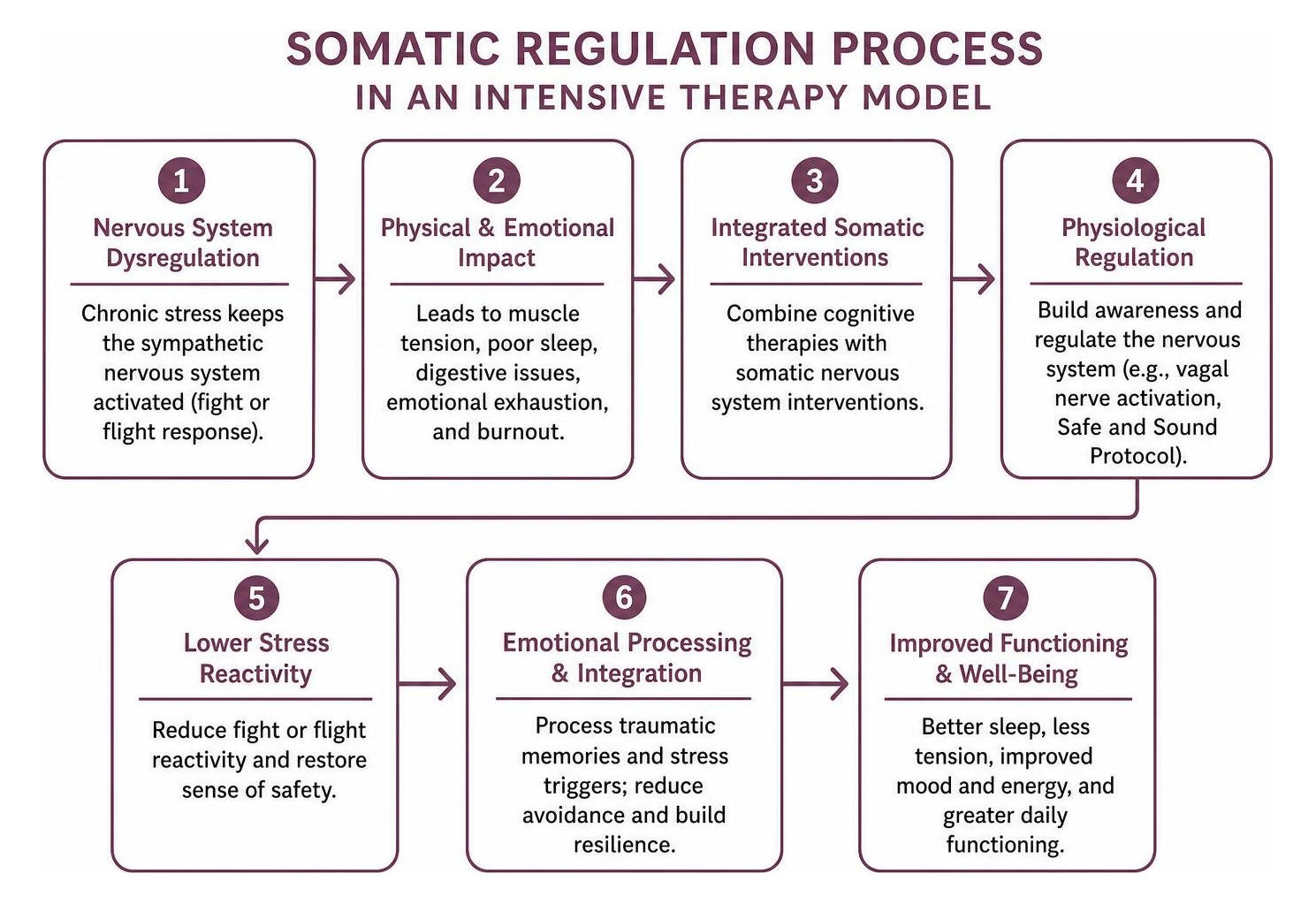
Core clinical modalities used in an intensive setting often include:
- Eye Movement Desensitization and Reprocessing (EMDR) and Prolonged Exposure (PE): These modalities help process traumatic memories and intrusive stress triggers. Delivering these approaches in massed daily sessions helps reduce cognitive avoidance. It also speeds up emotional processing compared to traditional weekly care.
- Somatic Regulation and the Safe and Sound Protocol: Somatic interventions focus on physiological awareness and vagal nerve regulation. Tools like the Safe and Sound Protocol use specially filtered music to train the nervous system to feel safe. This helps lower fight or flight reactivity.
- Guided Physical Activity: Adding structured, low anxiety physical activity before or after therapy sessions helps process stress hormones like cortisol. Activities like mindful walking or light cardiovascular exercise help ground the body and prevent emotional overload.
- Targeted Skill Application: Clients learn real time coping mechanisms. Using these skills repeatedly during daily sessions helps turn cognitive strategies into lasting habits.
To learn more about specific interventions, review The Ultimate Guide to Stress Management Therapy Techniques.
Comparing Intensive Therapy to Standard Outpatient Care
Understanding how an intensive stress therapy program differs from traditional weekly therapy can help you decide if a concentrated schedule is right for your needs. High functioning adults and busy professionals often find that weekly therapy gives them enough room to intellectualize their challenges. A condensed schedule keeps the focus on real change and prevents clients from falling back on daily coping habits.
| Care Aspect | Standard Outpatient Care | Intensive Stress Therapy Program |
|---|---|---|
| Session Frequency | Weekly appointments | Multiple hours per day over consecutive days |
| Treatment Velocity | Gradual progress over months or years | Accelerated momentum over days or weeks |
| Bypassing Defenses | Defenses can rebuild between weekly visits | Continuous work reduces cognitive intellectualization |
| Somatic Integration | Limited time for body based regulation | Daily integration of somatic and physical exercises |
| Therapist Involvement | Usually one primary individual therapist | Often multidisciplinary teams or therapist rotation |
| Primary Focus | Managing weekly stressors and maintenance | Deep processing of chronic stress, burnout, and trauma |
Clinical Evidence and Efficacy of High Frequency Care
A growing body of peer reviewed research supports high frequency, concentrated mental health treatment. Studies show that condensing therapy hours into shorter timeframes leads to strong symptom reduction without lowering safety or care quality. Clients dealing with severe work burnout, chronic anxiety, or complex stress often show significant improvements in physiological regulation and mood stability.
To explore how therapeutic support reduces stress impact, read Blog: How Therapy Helps with Chronic Stress.
Rapid Symptom Reduction and Completion Statistics
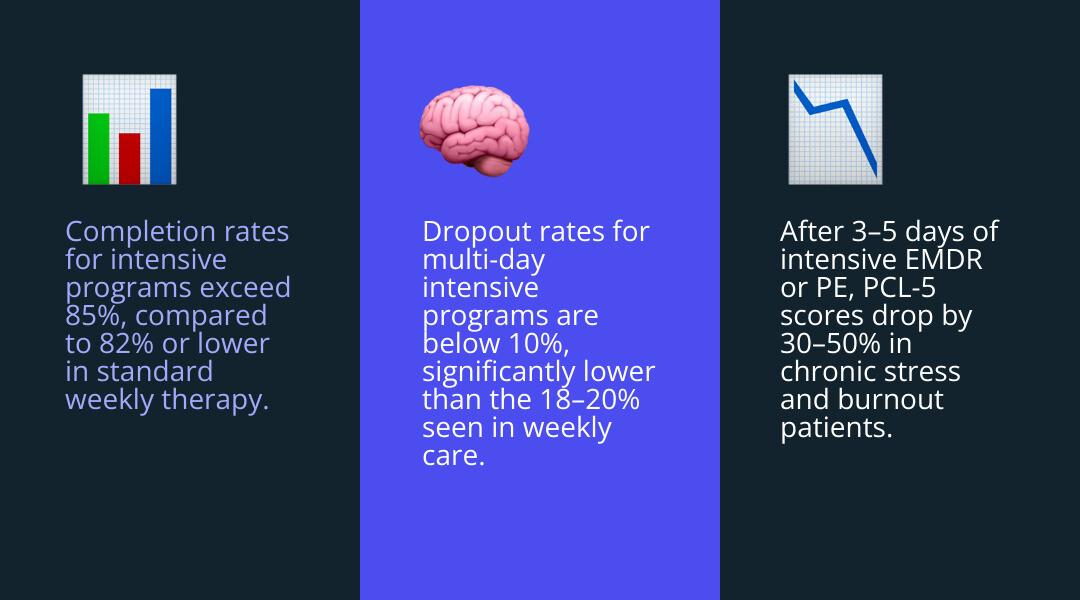
One key advantage of intensive care is its high treatment completion rate. In standard weekly outpatient therapy, dropout rates can create challenges for continuity. Long gaps between sessions may lead to lost motivation, busy work schedules, or frustration with slow progress. High frequency programs help clients complete their full course of care by keeping them focused and offering continuous support.
Research evaluating condensed, multi day programs shows notable clinical outcomes:
- Reduced Dropout Rates: Intensive trauma and stress treatment formats show very low dropout rates. A feasibility study of multi day intensive treatment showed an overall dropout rate of eight percent, with no participants leaving because of the intensive format itself.
- Symptom Loss and Remission: In the same feasibility study, most treatment completers reported clinically meaningful symptom reduction right after treatment, and the gains were maintained at follow up.
- Durable Depression Improvements: Research on Intensive Short Term Dynamic Psychotherapy reported large improvements in depressive symptoms that remained strong at follow up.
How Mechanisms Work in an Intensive Stress Therapy Program
Understanding how intensive therapy creates clinical change helps explain its effectiveness. Historically, researchers thought therapy worked through a strict step by step sequence. They assumed a client had to lower emotional repression first, which then reduced negative feelings, and finally relieved depressive and stress symptoms.
Modern statistical reanalyses reveal a different process. Research on Intensive Short Term Dynamic Psychotherapy shows that intensive treatment creates broad, simultaneous change across multiple psychological domains at once.
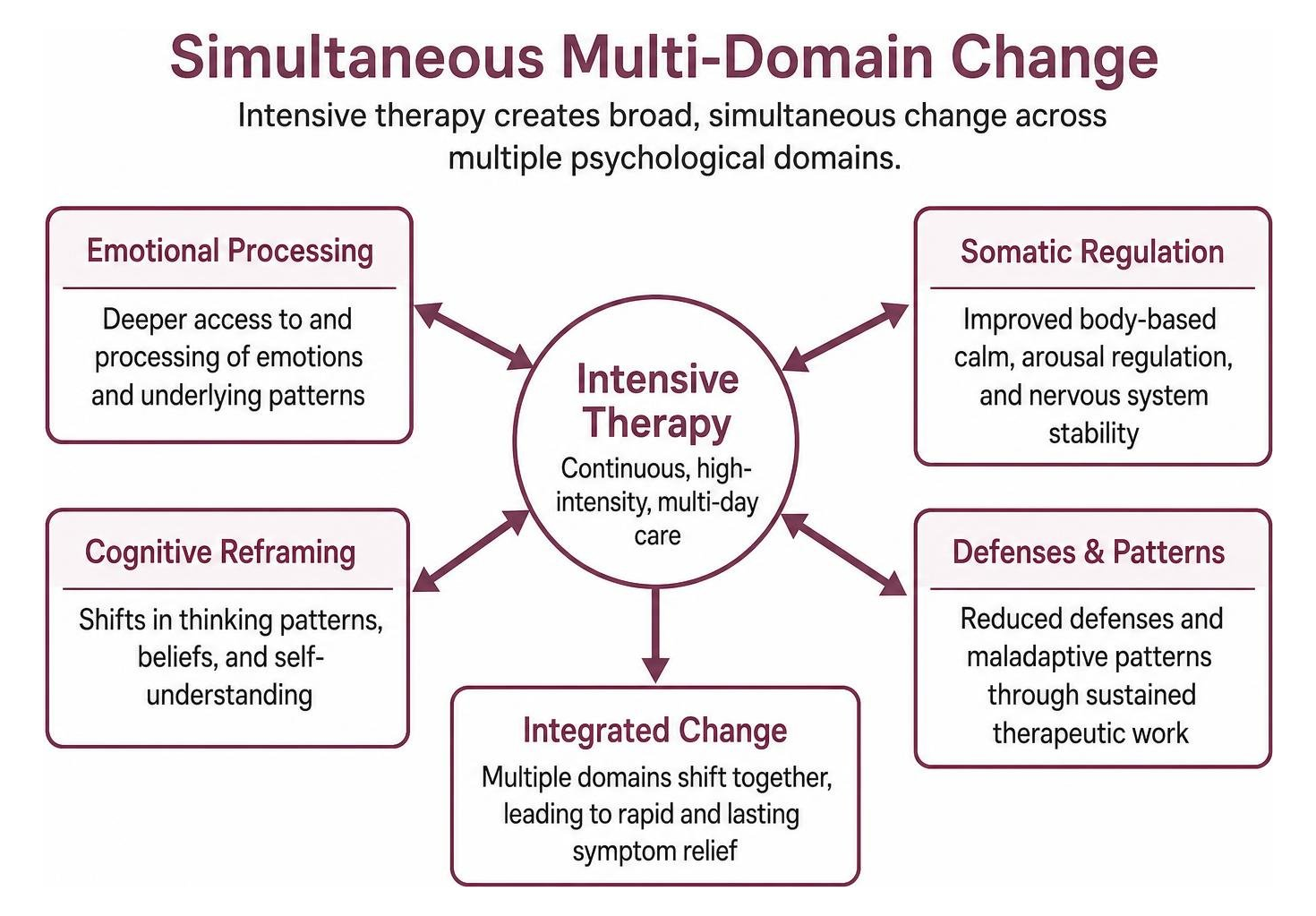
When client defenses are gently challenged in concentrated sessions, emotional processing, somatic calm, and cognitive reframing happen together. This synchronized shift helps explain why clients often experience fast, lasting relief during intensive care.
Navigating Treatment Intensity, Therapist Rotation, and Patient Dynamics

While the clinical benefits of an intensive stress therapy program are clear, the high daily demand requires careful management for both clients and clinicians. Spreading intensive work across several hours a day requires clear communication, active distress tracking, and well structured clinical supervision.
The Role of Therapist Rotation in Reducing Burnout
Some intensive programs use a therapist rotation model where a client meets with multiple licensed clinicians over the course of their care. While standard therapy relies heavily on a single therapist connection, team based rotation offers unique clinical benefits.
As highlighted in clinical research on therapist experience in intensive trauma programs, rotation models help improve care delivery:
- Lower Clinician Avoidance: Rotating care among team members reduces therapist fatigue. Clinicians report less hesitation when delivering structured exposure or stress confrontation, as they do not bear sole responsibility for the client’s continuous distress.
- Reduced Client Dependency: Relying on a team teaches clients to place confidence in the therapeutic process itself rather than relying entirely on a single practitioner.
- Diverse Therapeutic Strengths: Clients benefit from varied provider perspectives. One therapist may offer strong somatic regulation guidance, while another excels at challenging cognitive distortions.
- Consistent Protocol Adherence: Daily case handoffs and consultation meetings ensure the treatment team stays aligned with the client’s care plan.
Managing High Demands in an Intensive Stress Therapy Program
Intensive care asks clients to focus on difficult emotional material for several consecutive hours. Without proper safeguards, this environment could feel overwhelming. High quality programs assess client readiness beforehand to ensure they have enough emotional stability and support for the process.
To evaluate your personal stress levels and care options, read Blog: Stress vs Burnout: Knowing When to Seek Help.
Clinicians manage treatment intensity by pacing sessions thoughtfully throughout the day. They alternate challenging exposure or dynamic work with grounding somatic exercises, psychoeducation, and guided rest. Continuous check ins ensure that anxiety remains at a productive level for processing, preventing emotional shutdown or extreme distress.
Program Adaptations, Safety, and Post Treatment Integration

Intensive stress therapy programs are adaptable and operate across various settings to meet individual clinical needs. Care settings range from outpatient therapy retreats to structured medical programs, depending on the required level of care.
Level of Care: Outpatient Intensives, PHP, and IOP
Choosing the right format depends on symptom severity, daily responsibilities, and clinical recommendations.
- Private Outpatient Intensives: These programs typically run across several consecutive days, offering individual one on one therapy for multiple hours each day. They work well for high functioning adults and working professionals who need targeted relief from chronic stress, executive burnout, or specific life events. For more details on tailored support for busy professionals, visit Therapy for Stress: High Functioning Adults.
- Intensive Outpatient Programs (IOP): IOPs usually provide structured care across several days each week. They often offer flexible evening hours, allowing clients to maintain employment while receiving structured group and individual therapy.
- Partial Hospitalization Programs (PHP): PHPs offer comprehensive daytime clinical treatment during the week. Clients receive intensive care during the day while returning home each evening.
Mitigating Risks and Ensuring Long Term Continuity
Safety is a central priority in intensive clinical care. Screening ensures that clients participating in compressed outpatient therapy have stable housing, healthy coping tools, and no active crises that could interfere with intensive processing.
Long term success depends on thoughtful post treatment integration. An intensive program acts as a powerful jumpstart, but lasting change requires ongoing care. Before finishing an intensive program, clients receive a structured integration plan. This often includes stepping down into regular outpatient sessions to reinforce gains, practice coping strategies in daily life, and prevent burnout relapse.
If you are experiencing severe fatigue or workplace stress, explore Therapy for Stress: Burnout to learn more about targeted care.
Frequently Asked Questions About Intensive Stress Care
Is an intensive stress therapy program safe for severe burnout or trauma?
Yes, intensive stress therapy programs are safe when delivered by qualified clinicians who conduct thorough intake evaluations. Clinical studies show that massed therapy formats do not increase adverse events or severe symptom exacerbation. Daily tracking and somatic grounding help keep distress levels manageable throughout treatment.
How long do intensive stress therapy programs typically last?
Program lengths vary based on format and clinical need. Private individual therapy intensives usually run across several consecutive days, offering multiple hours of therapy daily. Outpatient intensive programs, including IOP or PHP, generally deliver structured care across multiple days each week.
What happens after completing a multi day intensive therapy program?
After finishing an intensive program, clients follow an integration plan designed to help them apply their new skills to daily life. This usually includes a follow up evaluation within a few weeks, along with a transition back into standard outpatient therapy. Step down care helps ensure that symptom improvements remain stable over time.
Finding the Right Care Path
An intensive stress therapy program offers an effective, evidence based option for individuals looking to break free from chronic stress, burnout, and nervous system dysregulation. By compressing months of therapy into focused daily sessions, intensive care helps clients bypass long standing cognitive defenses, process complex emotional stress, and build lasting physiological calm.
Whether you choose a short multi day intensive or a structured outpatient program, taking time to focus on your mental health can produce meaningful, long term growth. Collective Counseling Solutions connects individuals with licensed, skilled therapists who accept insurance, making it easier to access professional, compassionate stress management care tailored to your life.