
Understanding Mindfulness for Stress Therapy and How It Works
Mindfulness is the practice of maintaining a moment by moment awareness of our thoughts, feelings, bodily sensations, and surrounding environment through a gentle, nurturing lens. When practiced within a clinical framework, mindfulness for stress therapy combines two fundamental components: focused attention and open acceptance. Attention involves intentionally tuning in to your present experience, such as your natural breathing pattern or physical sensations. Acceptance means observing those experiences without judging them, attempting to force them away, or labeling them as good or bad.
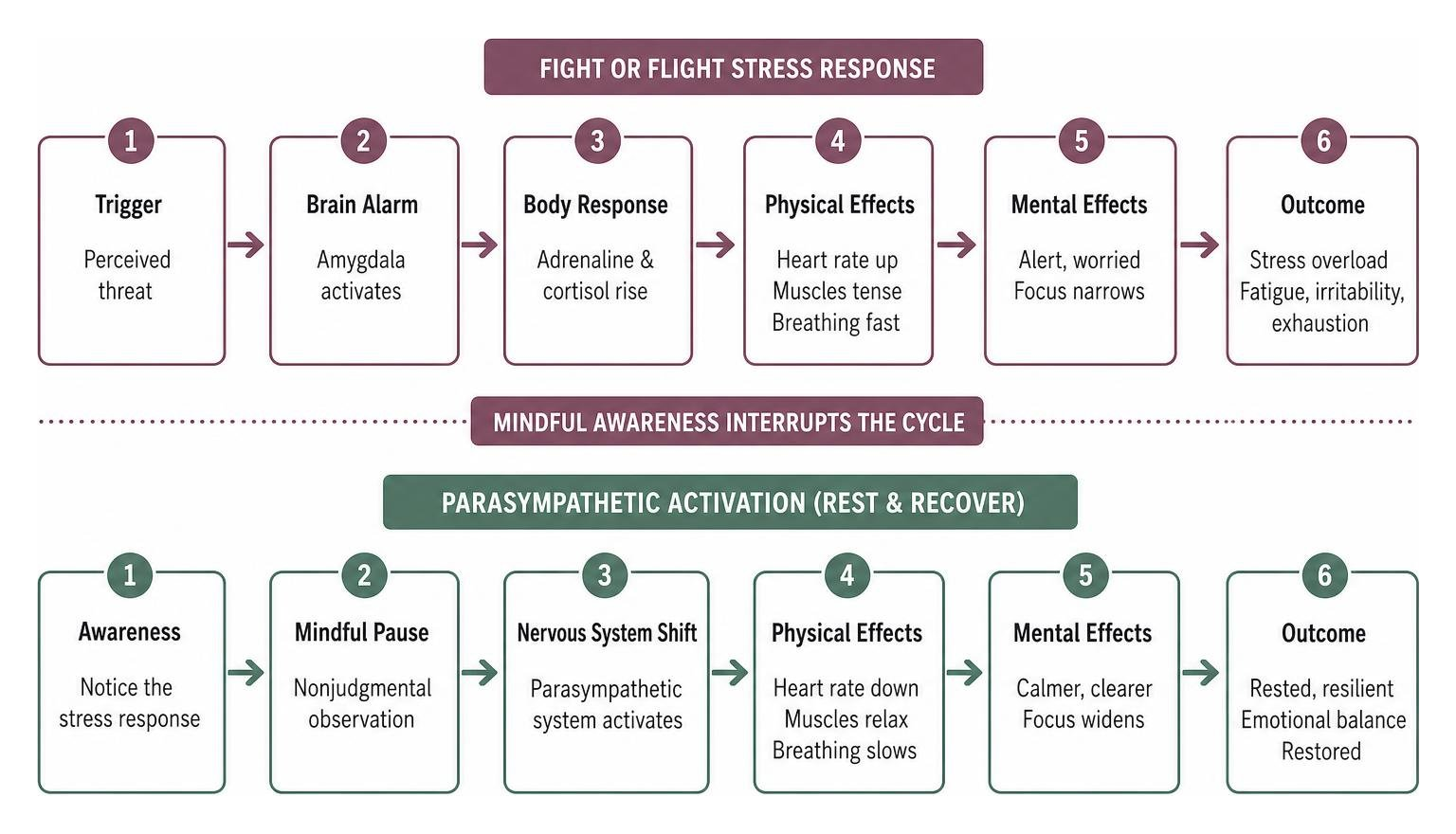
When life presents demanding challenges, the body naturally activates its autonomic nervous system, triggering a fight or flight response. Heart rate climbs, muscles tighten, and stress hormones like cortisol flood the bloodstream. While this survival reaction is useful during acute danger, staying in a constant state of high alert leads to chronic fatigue, irritability, and exhaustion.
Practicing nonjudgmental observation helps interrupt this automatic cycle. By noticing stress responses as passing physical events rather than immediate threats, you give your nervous system permission to settle. To explore how these practices fit into clinical care, learn more about stress management therapy techniques to support your daily wellness goals.
How Mindfulness for Stress Therapy Differs from Mind Wandering
Many people navigate their days on automatic pilot, completing daily tasks while their focus drifts elsewhere. Research published by the American Psychological Association reports that individuals spend nearly 47% of their waking hours in a state of mind wandering. This mental drift often leads to replaying past errors or anticipating future problems, which directly contributes to feelings of unhappiness and anxiety.
Stress drains your cognitive resources, making it harder to stay centered. When stress levels rise, the mind tends to reject the present moment, generating internal thoughts like “I cannot handle this right now.” This reaction creates an uncomfortable feedback loop.
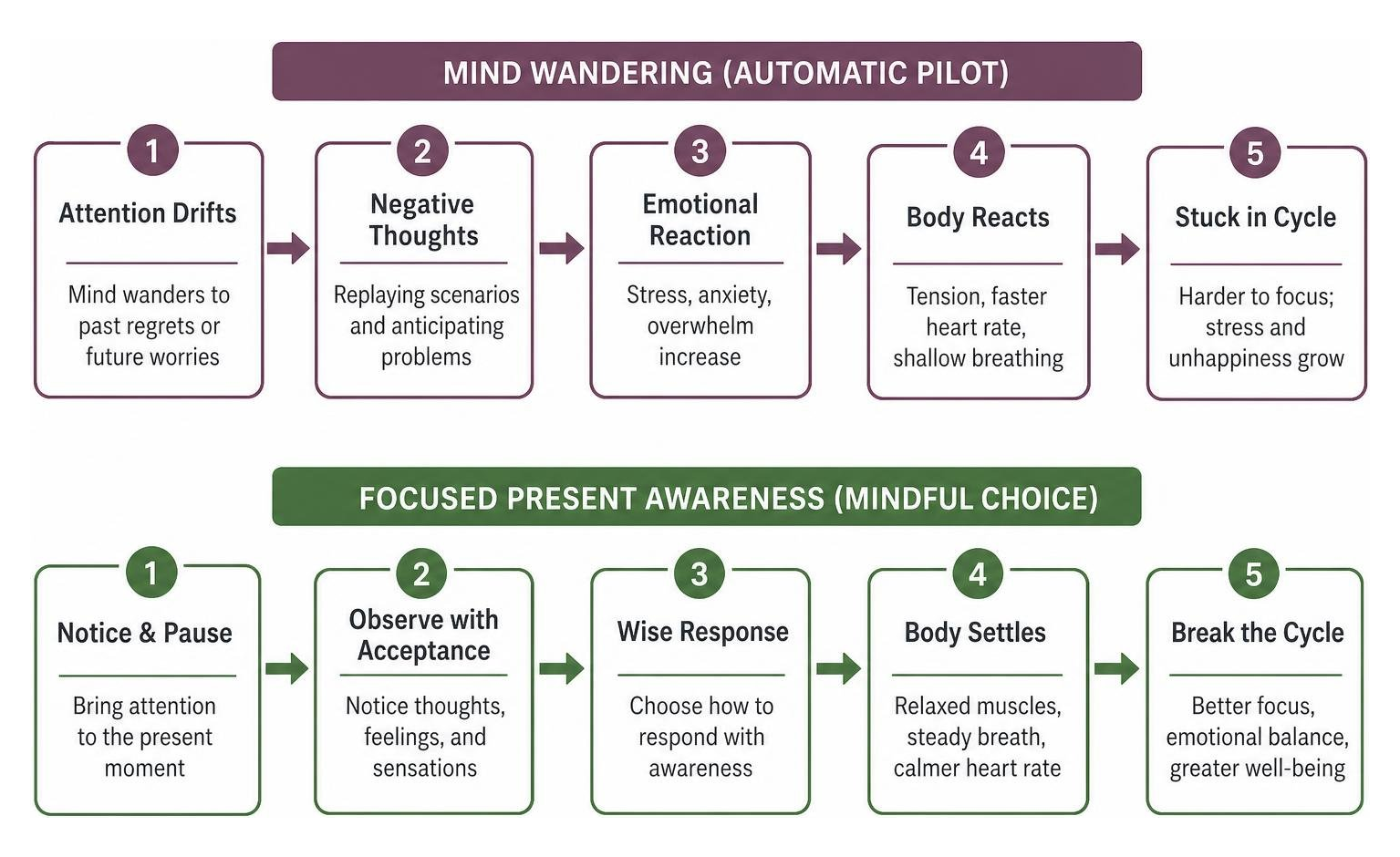
Mindfulness offers a clear alternative to automatic reactions by intentionally directing attention to what is happening right now. Scientific insights published by the American Psychological Association demonstrate how structured present moment awareness training can break this dynamic, restoring clear focus and emotional stability.
Comparing Mindfulness for Stress Therapy to Traditional Cognitive Behavioral Therapy
Standard Cognitive Behavioral Therapy (CBT) helps individuals recognize and restructure unhelpful thought patterns. For example, if a person experiences a catastrophic thought during a stressful week, CBT encourages them to evaluate the evidence and substitute it with a balanced perspective.
In contrast, mindfulness based interventions belong to what clinicians call the third wave CBT framework. Rather than changing the content of a thought, mindfulness changes your relationship to the thought itself.
Instead of arguing with a stressful thought, you learn to step back and observe it as a temporary mental event. This non striving attitude allows you to stay present without getting swept away by distress. Research on mindfulness-based interventions for anxiety and depression shows that this open approach is highly effective for long term emotional regulation.
Key Biological and Cognitive Mechanisms of Stress Reduction
The benefits of mindfulness for stress therapy are rooted in measurable changes within the brain and body. Chronic strain can enlarge the amygdala, the brain structure responsible for processing fear and emotional threats. At the same time, ongoing stress can reduce activity in the prefrontal cortex, which governs executive decision making and emotion regulation.
Regular mindfulness practice helps rebalance these pathways. Increased prefrontal cortex activity strengthens top down emotional control, helping lower amygdala reactivity during high pressure moments. To see how professional mental health support helps rebuild these systems, explore how therapy helps with chronic stress.
Neurological Changes and Stress Hormones
Mindfulness leverages neuroplasticity, the brain’s ability to adapt and form new neural connections throughout life. Regular practice helps preserve gray matter density in the hippocampus, an area critical for memory, learning, and emotional balance.

At the biological level, mindfulness helps quiet down the sympathetic nervous system and activates the parasympathetic nervous system, often referred to as the rest and digest response. Deep, intentional breathing stimulates the vagus nerve, sending calming signals directly to the heart and internal organs. Over time, this biological shift lowers circulating cortisol levels and decreases systemic inflammation, giving the body a chance to rest and recover.
The Role of Acceptance Over Monitoring Alone
Mindfulness involves two distinct mental steps: attention monitoring and nonjudgmental acceptance. Monitoring means tracking your inner and outer experiences, while acceptance means greeting those experiences with equanimity and patience.
Recent empirical research highlights that monitoring alone is not enough to lower stress. A detailed study on mindfulness components published in Emotion revealed that combining attention monitoring with acceptance training is essential for fostering a positive outlook during acute stress.
Acceptance acts as a desirable difficulty. It requires deliberate effort to stay present with uncomfortable sensations rather than pushing them away, but this effort ultimately builds strong psychological resilience and self-regulation.
Comparing Core Mindfulness Based Therapeutic Modalities
Different mindfulness frameworks offer specialized approaches based on individual health goals and clinical needs. Standardized multi week programs provide structured training, while specific therapeutic modalities integrate mindfulness into broader behavioral toolkits.
| Modality | Core Protocol Structure | Primary Mechanisms | Main Therapeutic Goal |
|---|---|---|---|
| MBSR (Mindfulness Based Stress Reduction) | 8 week structured group program with daily home practice | Body scan, mindful movement, nonjudgmental observation | Reduces stress reactivity, calms physical tension, improves quality of life |
| MBCT (Mindfulness Based Cognitive Therapy) | 8 week group setting combining MBSR with CBT concepts | Decentering from negative thoughts, 3 minute breathing space | Prevents depression relapse, breaks rumination cycles |
| ACT (Acceptance & Commitment Therapy) | Flexible individual or group therapy sessions | Psychological flexibility, cognitive defusion, core values alignment | Fosters values driven action despite difficult emotions |
| DBT (Dialectical Behavior Therapy) | Individual therapy combined with group skills training | Radical acceptance, distress tolerance, emotion regulation | Enhances emotional stability and interpersonal effectiveness |
Mindfulness Based Stress Reduction (MBSR)
Developed by Jon Kabat-Zinn in the early 1980s, MBSR is an 8 week clinical program originally designed to help patients manage chronic pain and stress related conditions. Participants attend weekly group sessions and engage in daily guided home practices.
MBSR uses foundational exercises such as the body scan meditation, gentle mindful movement, and sustained breath awareness. These routines train participants to recognize early warning signs of physical tension and disengage from habitual stress reactions. Discover additional evidence based strategies by reading about effective strategies for stress management.
Mindfulness Based Cognitive Therapy (MBCT)
MBCT adapts the core structure of MBSR and combines it with cognitive behavioral principles. It was designed specifically to help individuals with a history of recurrent major depression avoid future depressive episodes.
MBCT teaches people to spot automatic negative thoughts and observe them as transient mental events rather than absolute facts. A core tool in MBCT is the 3 minute breathing space, a brief exercise that helps individuals step out of automatic pilot during moments of acute distress. The Mayo Clinic guidance on mindfulness exercises outlines similar practical steps for introducing these habits into daily life.
Acceptance and Commitment Therapy (ACT) and Dialectical Behavior Therapy (DBT)
ACT and DBT incorporate mindfulness as core clinical tools:
- ACT focuses on building psychological flexibility. Instead of fighting painful feelings, clients learn cognitive defusion, step back from challenging thoughts, and commit to actions aligned with their personal values.
- DBT emphasizes radical acceptance and distress tolerance. Developed to help individuals navigate intense emotional waves, DBT teaches present moment skills to help manage crisis situations without reacting impulsively.
Practical Beginner Exercises to Manage Stress in Daily Life
Starting a mindfulness practice does not require hours of silent reflection. Short, consistent practices built into your daily schedule can create real, lasting improvements in emotional well-being. For quick daily ideas, explore these quick stress busting activities you can do in under 10 minutes.
The 20 Minute Body Scan Meditation
The body scan meditation is one of the most effective ways to lower stress and build interoceptive awareness, helping you tune in to internal physical signals.

To try a body scan:
- Find a comfortable posture lying down on a soft surface or sitting in a supportive chair.
- Close your eyes gently and take three slow, intentional breaths.
- Bring your focus down to the toes of your left foot, noticing any sensations of warmth, coolness, or tightness without trying to change them.
- Slowly move your attention up through your ankle, calf, knee, and thigh.
- Repeat this process for your right leg, torso, arms, shoulders, neck, and face.
- When your focus wanders, gently bring it back to the specific body area you were scanning.
- Finish by sensing your body as a whole, releasing leftover muscle tension with a long, steady exhalation.
The S.T.O.P. Technique and Mindful Breathing
When stress builds during a busy day, the S.T.O.P. technique offers a quick 2 minute reset:
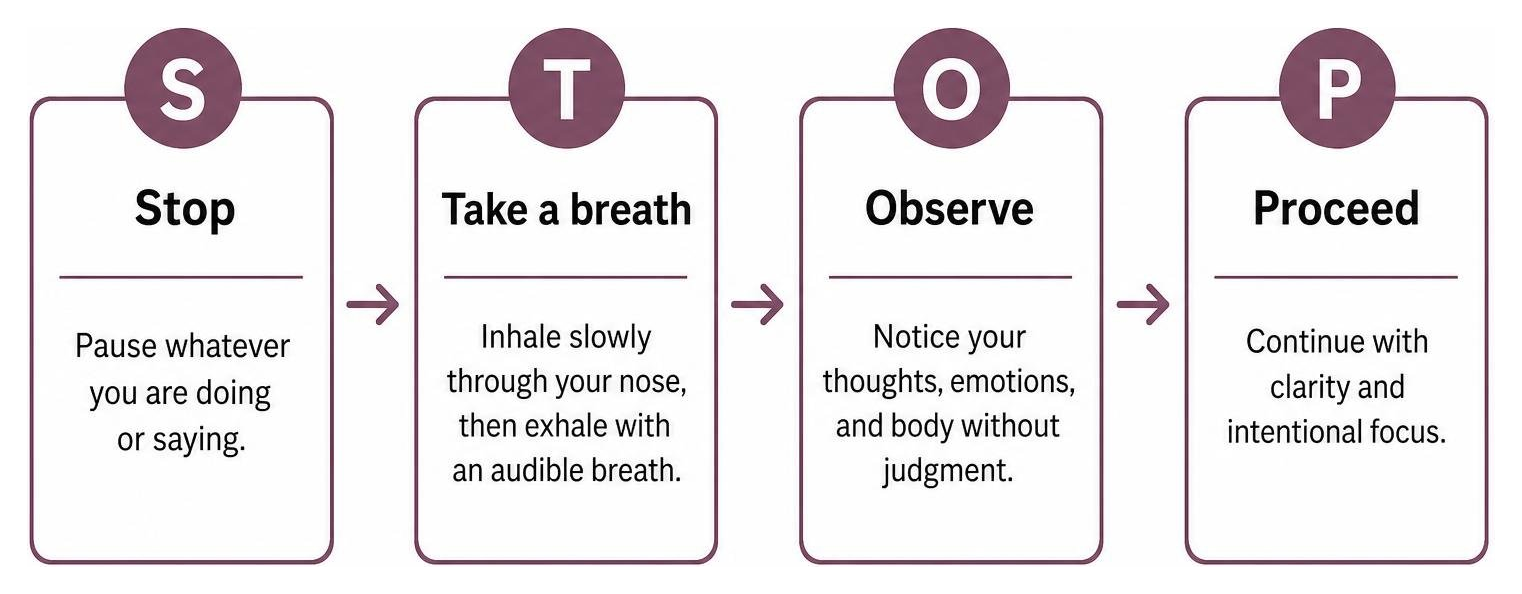
- S: Stop: Pause whatever you are doing or saying for a brief moment.
- T: Take a breath: Inhale slowly through your nose, filling your lower chest, then exhale with an audible breath.
- O: Observe: Notice your current thoughts, emotional state, and physical posture without judgment.
- P: Proceed: Continue your activities with clarity and intentional focus.
Pairing this practice with diaphragmatic breathing triggers vagus nerve stimulation, helping your body shift into a calm physical state. To learn more practical tools, review these 4 stress management techniques for your daily routine.
Mindful Walking and Daily Sensory Anchors
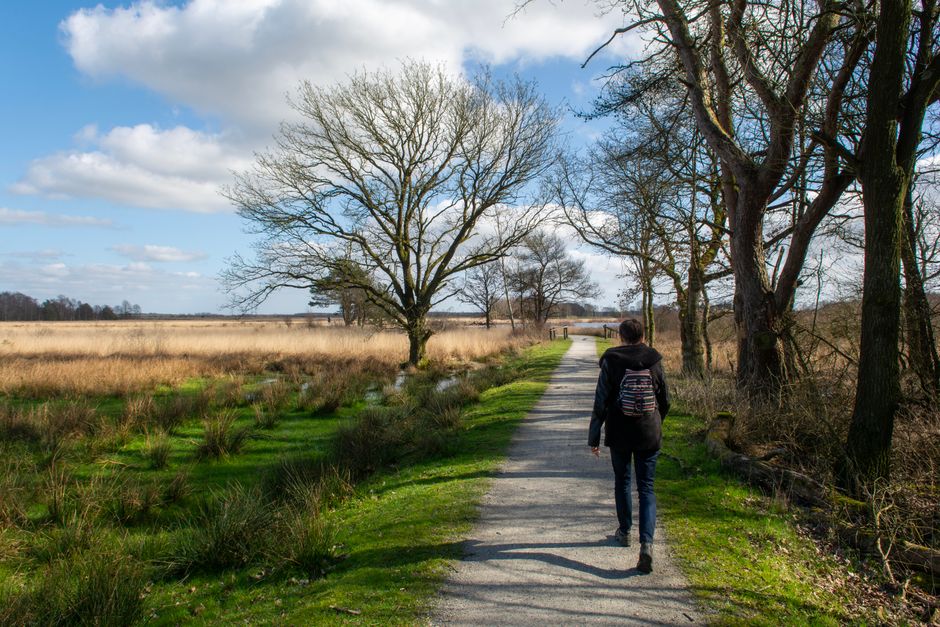
You do not have to sit still to practice mindfulness. Mindful walking transforms a routine stroll into a grounding sensory exercise.
Try these sensory anchors during your day:
- Outdoor Sensory Focus: Pay attention to the feeling of your feet striking the ground, the temperature of the air on your skin, and ambient nature sounds.
- Mindful Eating: Eat one meal without digital screens. Notice the colors, textures, aromas, and distinct flavors of your food.
- Routine Environmental Anchors: Use everyday cues, like waiting for coffee to brew or turning your car ignition, as reminders to take three deep, intentional breaths.
Creating clear digital boundaries also supports present moment focus. Read more on how a digital detox for stress management can reduce mental fatigue.
Clinical Evidence: App Based Delivery and Physical Health Impact
As digital mental health tools expand, researchers have rigorously studied how accessible online mindfulness programs compare to standard in person care.
App Based and Internet Delivered Mindfulness Interventions
Clinical meta analyses demonstrate that technology delivered mindfulness interventions offer measurable mental health support. A peer reviewed study published in npj Mental Health Research on mindfulness interventions showed that app based programs produce significant reductions in perceived stress and daily anxiety for non clinical adults.
Similarly, an open trial on internet-delivered MBCT published in Mindfulness revealed that short asynchronous modules build self compassion and psychological resilience. While digital applications lower logistical barriers, staying consistent remains key to achieving lasting improvements.
Relieving Stress Linked Physical Conditions
Chronic stress manifests throughout the body, raising long-term health risks. According to a large randomized study on self-administered mindfulness interventions, over 66% of adults report lying awake at night due to physical or emotional stress.
Mindfulness interventions help alleviate these physical concerns by lowering stress response levels:
- Insomnia and Sleep Disturbances: Mindful relaxation practices help quiet racing evening thoughts, supporting deep, restful sleep.
- Hypertension and Cardiovascular Strain: Lowering sympathetic nervous system arousal helps reduce resting blood pressure and heart rate.
- Chronic Pain Management: Mindfulness alters how the brain processes pain signals, helping individuals increase pain tolerance and lower associated distress.
- Immune System Recovery: Lowering cortisol levels helps strengthen immune function, aiding faster recovery from physical stressors.
Myths, Challenges, and Tips for Sustainable Practice
Starting a mindfulness routine can feel unfamiliar, and common misconceptions often create unnecessary hurdles for beginners.
Debunking Common Mindfulness Misconceptions
- Myth 1: You must empty your mind of all thoughts. Reality: Mindfulness is not about clearing your head. It is about noticing thoughts as they arise and letting them pass without getting caught up in them.
- Myth 2: You must sit in uncomfortable cross legged postures. Reality: You can practice sitting upright in an office chair, standing, lying down, or walking. Comfort and spine alignment matter far more than rigid postures.
- Myth 3: You need hours of free time every day. Reality: Research shows that practicing for just 10 minutes a day can make a meaningful difference in stress levels and emotional regulation.
Working alongside a compassionate professional can provide clarity and support as you build these habits. Learn how to cultivate long term balance through professional stress management counseling.
Tips to Build a Lasting Daily Habit
- Commit to a Manageable Goal: Start with a 10 minute daily practice window for several weeks rather than attempting long, intimidating sessions.
- Embrace a Nonjudgmental Re Engagement: Missing a day is a normal part of building a new routine, not a failure. Gently resume your practice without harsh self criticism.
- Anchor Practice to Existing Routines: Pair your mindfulness time with established habits, such as practicing immediately after brushing your teeth or right after finishing lunch.
- Identify Stress Triggers: Notice specific events that trigger your stress responses throughout the day. Read more on understanding stress triggers and how to address them to tailor your daily practices.
Frequently Asked Questions About Mindfulness Therapy
How long does it take for mindfulness to reduce stress levels?
Immediate physiological shifts, such as lower heart rate and reduced blood pressure, can happen during your very first 10 minute session. Sustainable mental health benefits typically develop over 4 to 8 weeks of consistent daily practice. Neuroimaging studies show that regular practice over several months leads to lasting structural changes in brain areas governing emotion regulation and stress coping.
Can mindfulness replace traditional psychotherapy or healthcare for stress?
Mindfulness is a powerful, evidence based coping strategy, but it is best viewed as a complementary tool rather than a replacement for specialized clinical care. For individuals navigating severe clinical anxiety, deep depression, or trauma, combining mindfulness with personalized therapy offers a well rounded path toward healing. A qualified mental health provider can evaluate your unique situation and help build an integrated treatment plan.
What should I do if meditating makes me feel more anxious?
When you slow down and tune in, sitting in silence can sometimes bring buried feelings or heightened body awareness to the surface. If meditating increases your discomfort, try switching to grounding techniques. Open your eyes, focus on physical touchpoints around you, or pivot to gentle mindful walking. Working with a licensed therapist ensures your practice develops safely and comfortably.
Finding Lasting Calm Through Mindful Care
Learning mindfulness for stress therapy empowers you to step off automatic pilot, calm your body’s stress response, and navigate life’s challenges with balance and clarity. Whether you begin with a simple 2 minute S.T.O.P. practice, a guided body scan, or an outdoor sensory walk, consistent small steps foster meaningful long term resilience.
If daily stress feels overwhelming, you do not have to navigate it alone. Collective Counseling Solutions simplifies your journey to health by matching you with skilled, licensed therapists who accept your insurance. Whether you prefer online teletherapy sessions or in person care, professional guidance can help you apply mindfulness effectively, restore peace of mind, and create sustainable balance.