

Effective Nonpharmacologic Treatment for Anxiety and Depression
Nonpharmacologic care for anxiety and depression can include talk therapy, regular physical activity, sleep support, mindfulness, social connection, and practical changes to daily routines. For many people, the best starting point is a licensed therapist who can help match care to your symptoms, schedule, goals, and preferences.
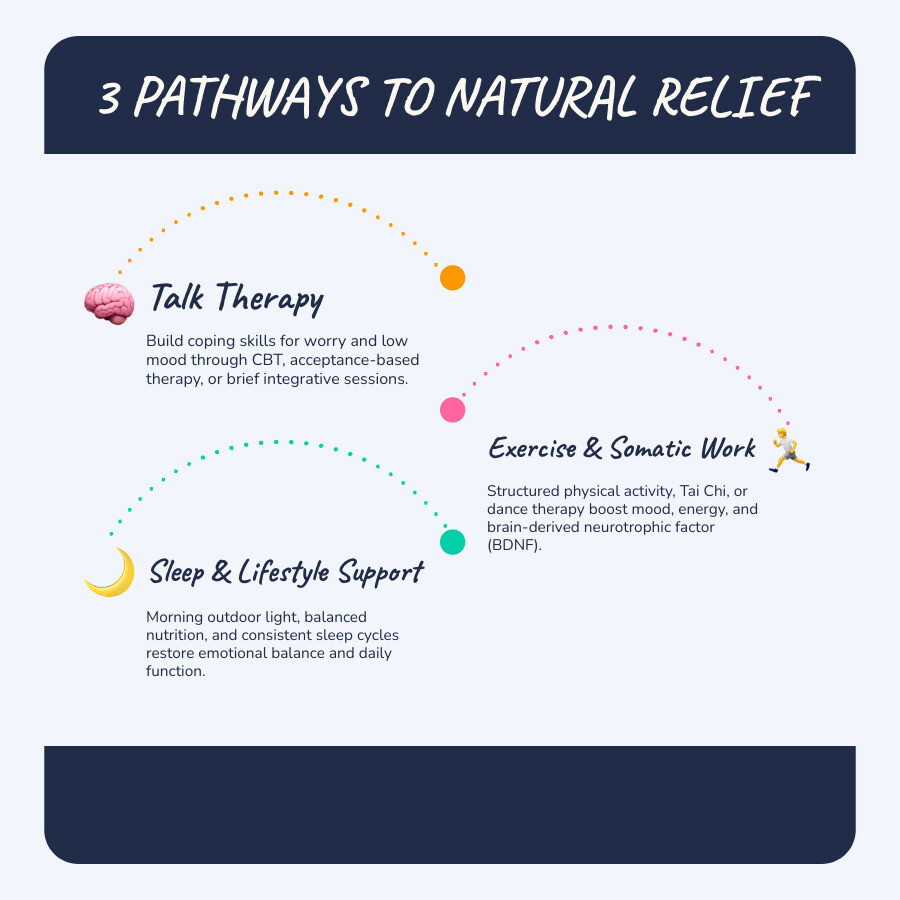
Research supports several options. Cognitive behavioral therapy, acceptance based therapy, supportive counseling, and structured exercise can reduce anxiety and depression symptoms. Brief programs that combine therapy skills with lifestyle guidance may also help people who need a more flexible format.
These approaches can work in more than one way. Therapy can build useful skills for handling worry, low mood, and stress. Exercise and better sleep can support energy and emotional balance. Some preliminary research has examined whether psychological treatments influence BDNF, a protein involved in brain cell growth and adaptability. However, its relationship to mental health improvements is still being studied. Still, BDNF testing is not a standalone measure of progress. Your daily functioning and symptom changes matter most.
You do not have to choose one path forever. A therapist can help you build a realistic plan that fits a busy life and adjust it as you learn what helps.
Explore more about evidence based care:
Core Evidence Based Modalities of Nonpharmacologic Care

When addressing mood and worry without medication, evidence based psychotherapies form the foundation of clinical care. Research suggests that evidence based psychotherapy, including cognitive behavioral therapy, can be an effective treatment for depression. For some adults, psychotherapy may provide benefits comparable to antidepressant medication, although the most appropriate treatment depends on symptom severity, individual needs, and clinical recommendations.
Clinical studies have shown that cognitive behavioral therapy can help some adults with depression achieve remission. However, remission rates vary depending on symptom severity, treatment duration, and individual circumstances.
Cognitive Behavioral Therapy and Acceptance Based Behavior Therapy
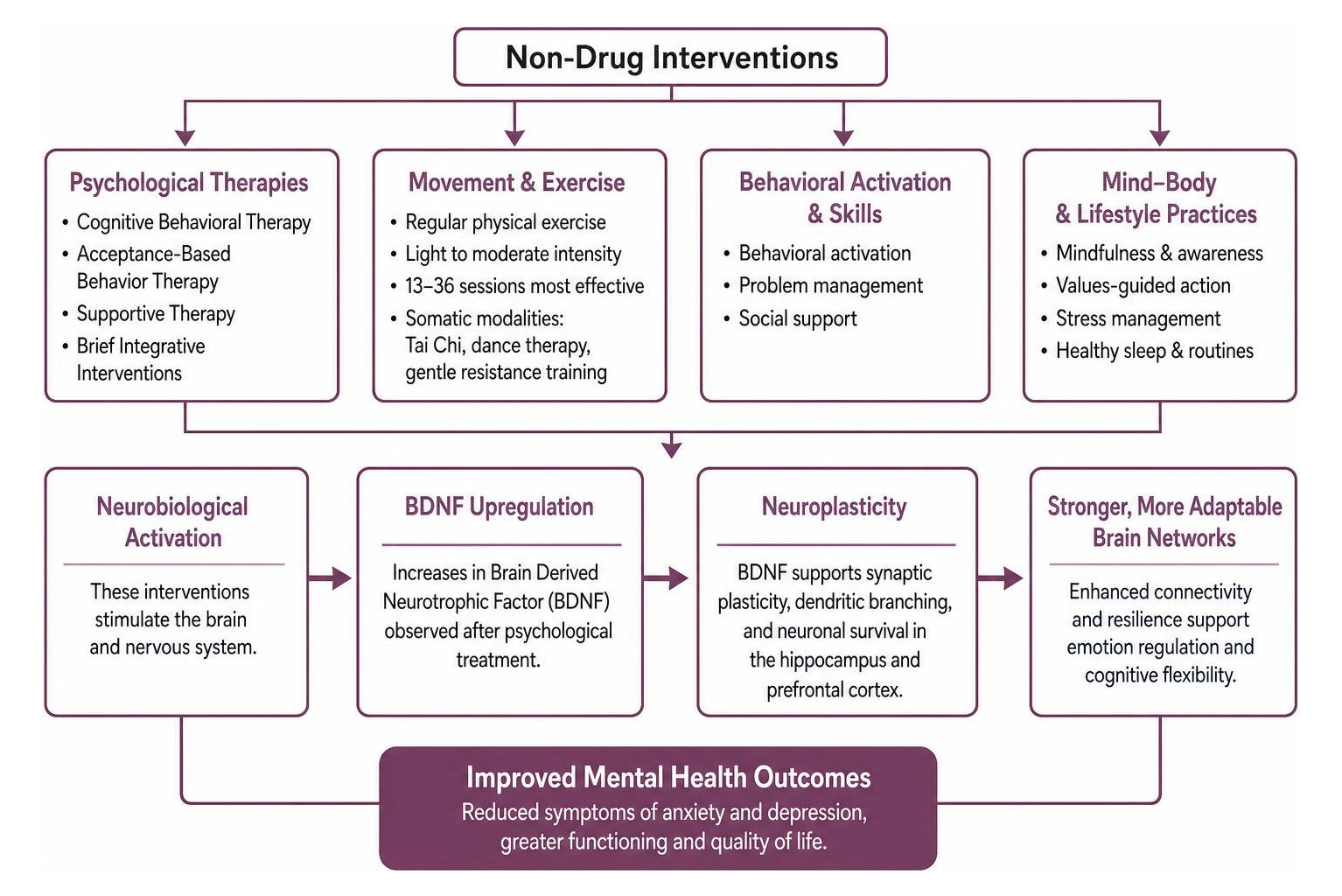
Cognitive Behavioral Therapy focuses on identifying cognitive distortions, testing unhelpful automatic thoughts, and rebuilding engagement through systematic behavioral activation. Acceptance Based Behavior Therapy expands on these principles by cultivating psychological flexibility, mindful awareness, and values guided action.
A large-scale analysis examining task-shared psychosocial interventions across 10,612 participants demonstrated that core therapeutic components drive meaningful symptom reductions. Research examining different components of psychological interventions suggests that social support, behavioral activation, and problem-solving strategies may help reduce symptoms of anxiety and depression. The effectiveness of individual techniques varies depending on the treatment approach and the needs of each person. Engaging with specialized therapy for depression or targeted therapy for anxiety allows clients to systematically acquire these adaptive skills with professional guidance.
Brief Integrative Psychotherapy Interventions
Time constraints, geographic distance, and demanding schedules frequently create barriers to standard weekly sessions. To address these hurdles, researchers have evaluated condensed therapeutic models.
Some preliminary studies suggest that brief, structured psychological interventions may help reduce symptoms of mild to moderate anxiety and depression. However, additional research is needed to determine how these approaches compare with traditional therapy and whether improvements are sustained over time.
Movement, Exercise, and Somatic Modalities
Physical activity alters neurochemistry, downregulates nervous system reactivity, and promotes emotional regulation. Meta analytic data demonstrates that regular physical exercise functions as an effective clinical intervention for affective disorders. Understanding how exercise can help alleviate stress provides actionable groundwork for building a sustainable movement routine.
A systematic review of internet based exercise interventions involving 1,066 participants demonstrated a moderate reduction in depressive symptoms with a standardized mean difference of minus 0.53, alongside a meaningful anxiety reduction of minus 0.41 across 607 participants.
Research suggests that regular physical activity, including walking, aerobic exercise, and resistance training, can help reduce symptoms of anxiety and depression. The most beneficial exercise routine depends on individual fitness levels, preferences, health conditions, and consistency. Somatic approaches such as Tai Chi, dance therapy, and gentle resistance training also show strong clinical utility, particularly for older adults seeking low-impact physical modalities.
Biological Mechanisms and Neuroplasticity: The Role of BDNF

The therapeutic impact of nonpharmacologic interventions extends beyond cognitive reframing into biological neuroadaptation. In particular, brain derived neurotrophic factor, or BDNF, plays a central role in supporting synaptic plasticity, dendritic branching, and neuronal survival in regions such as the hippocampus and prefrontal cortex.
Some preliminary studies have found changes in blood BDNF levels following psychological treatment for anxiety. However, researchers have not established whether these changes directly reflect improvements in symptoms or brain function.
Clinical Significance and Interpretation of BDNF Biomarkers
Although peripheral BDNF levels rise significantly following successful psychological interventions, clinical studies observe no direct statistical correlation between the exact magnitude of BDNF elevation and individual changes on symptom rating scales such as the Hamilton Anxiety Rating Scale.
This biological dissociation highlights that peripheral blood measurements capture a broad physiological response rather than a direct readout of symptom severity. Circulating BDNF can be influenced by multiple nonpsychiatric variables, including physical fitness, circadian timing, platelet reactivity, and metabolic status. Although BDNF is an important area of mental health research, blood BDNF measurements are not currently established tools for diagnosing anxiety or depression, selecting treatments, or monitoring recovery.
Choosing the Right Nonpharmacologic Treatment Subgroup
Tailoring interventions to specific demographic and clinical profiles improves overall outcomes. Researchers are investigating whether biological factors, including sex-related differences, influence responses to psychological treatment. However, current evidence is insufficient to use BDNF changes to determine which therapy is best for a particular individual.
When individuals actively participate in choosing their therapeutic approach, clinical engagement improves. Involving patients in treatment decisions can improve engagement and help ensure that care reflects their preferences, goals, and circumstances. Collaborative treatment planning may also support continued participation in therapy. Learning how therapy helps with chronic stress empowers clients to select therapeutic modalities aligned with their daily routines and personal values.
Lifestyle, Circadian, and Nutritional Adjuncts
Modifying environmental signals and biological rhythms reinforces the psychological gains achieved in structured therapy. Stabilizing the sleep wake cycle directly supports emotional resilience and reduces neurological vulnerability to distress.
- Cognitive Behavioral Therapy: Focuses on cognitive reframing and behavioral activation to target core depressive and anxious cognitions with strong clinical evidence.
- Acceptance-Based Therapy: Cultivates psychological flexibility and mindfulness to address worry, experiential avoidance, and stress reactivity with strong clinical evidence.
- Aerobic and Resistance Exercise: Stimulates endorphin release, neurogenesis, and BDNF upregulation to relieve low mood, physical tension, and fatigue with moderate to strong evidence.
- Morning Outdoor Light Exposure: Promotes circadian clock synchronization and cortisol rhythm regulation to resolve circadian disruption and seasonal lethargy with moderate evidence.
- Balanced Nutrition: Maintaining regular meals and a nutrient-rich diet can support overall physical and mental health. Researchers continue to investigate how dietary patterns and gut health may influence mood and sleep.
Addressing the bidirectional relationship between stress and sleep is essential for long term stability. Exposure to natural outdoor light within an hour of waking provides a powerful circadian cue that regulates nocturnal melatonin synthesis and stabilizes daytime alertness, even on overcast mornings.
Integrating Lifestyle and Nutrition Adjuncts
Nutritional protocols and targeted dietary strategies provide additive benefits when combined with psychological care. Understanding the connection between diet and stress helps individuals construct balanced meal routines that maintain glycemic stability and mitigate afternoon energy crashes.
Some preliminary research has examined whether nutritional supplements may provide additional benefits when combined with psychological treatment. A small study found improvements in self-reported sleep quality among participants receiving an integrative intervention with supplements. However, larger studies are needed to confirm these findings and determine which supplements, if any, provide meaningful benefits.
Frequently Asked Questions about Nonpharmacologic Mental Health Care
Can nonpharmacologic approaches match the efficacy of antidepressants?
Evidence-based psychotherapy can be as effective as antidepressant medication for some people with anxiety or depression, particularly those with mild to moderate symptoms. However, treatment effectiveness varies, and some individuals benefit most from a combination of therapy and medication. A qualified healthcare professional can help determine the most appropriate approach.Furthermore, nonpharmacologic approaches exhibit significantly lower rates of treatment discontinuation due to adverse effects. A comprehensive overview is available in this guide to therapy for depression.
How does psychological therapy physically alter the brain?
Research suggests that psychotherapy may influence brain activity and the neural processes involved in emotional regulation, stress responses, and decision-making. Scientists continue to study how these changes occur and how they relate to improvements in mental health symptoms. Regular practice of emotional regulation and mindfulness for stress strengthens structural connectivity between the prefrontal cortex and deeper limbic regions, enhancing cognitive control over automatic stress reactions.
What should I do if a single lifestyle change does not relieve my symptoms?
Mental health recovery rarely relies on an isolated habit. If a single lifestyle adjustment such as walking or sleep hygiene fails to resolve persistent low mood or pervasive worry, adopting a structured, multimodal care plan is recommended. Reviewing the common signs it might be time to see a therapist can help clarify when professional evaluation and personalized psychological care are appropriate.
Conclusion
Overcoming affective distress and chronic worry does not depend on a single therapeutic path. Evidence-based psychological therapies, regular physical activity, circadian alignment, and structured nutritional strategies offer scientifically validated avenues for restoring mental wellness. Evidence-based psychotherapy, regular physical activity, healthy sleep habits, and supportive lifestyle changes can help people manage anxiety and depression symptoms. With appropriate professional guidance, these approaches may contribute to improved emotional well-being and long-term coping skills.
Collective Counseling Solutions helps individuals connect with licensed therapists who provide support for anxiety and depression. Insurance participation and in-person or virtual appointment availability vary by provider. To explore a personalized therapeutic plan tailored to your lifestyle, schedule, and personal goals, connect with a dedicated professional and find a therapist today.