

How Therapy for Stress Relief Helps You Feel More in Control
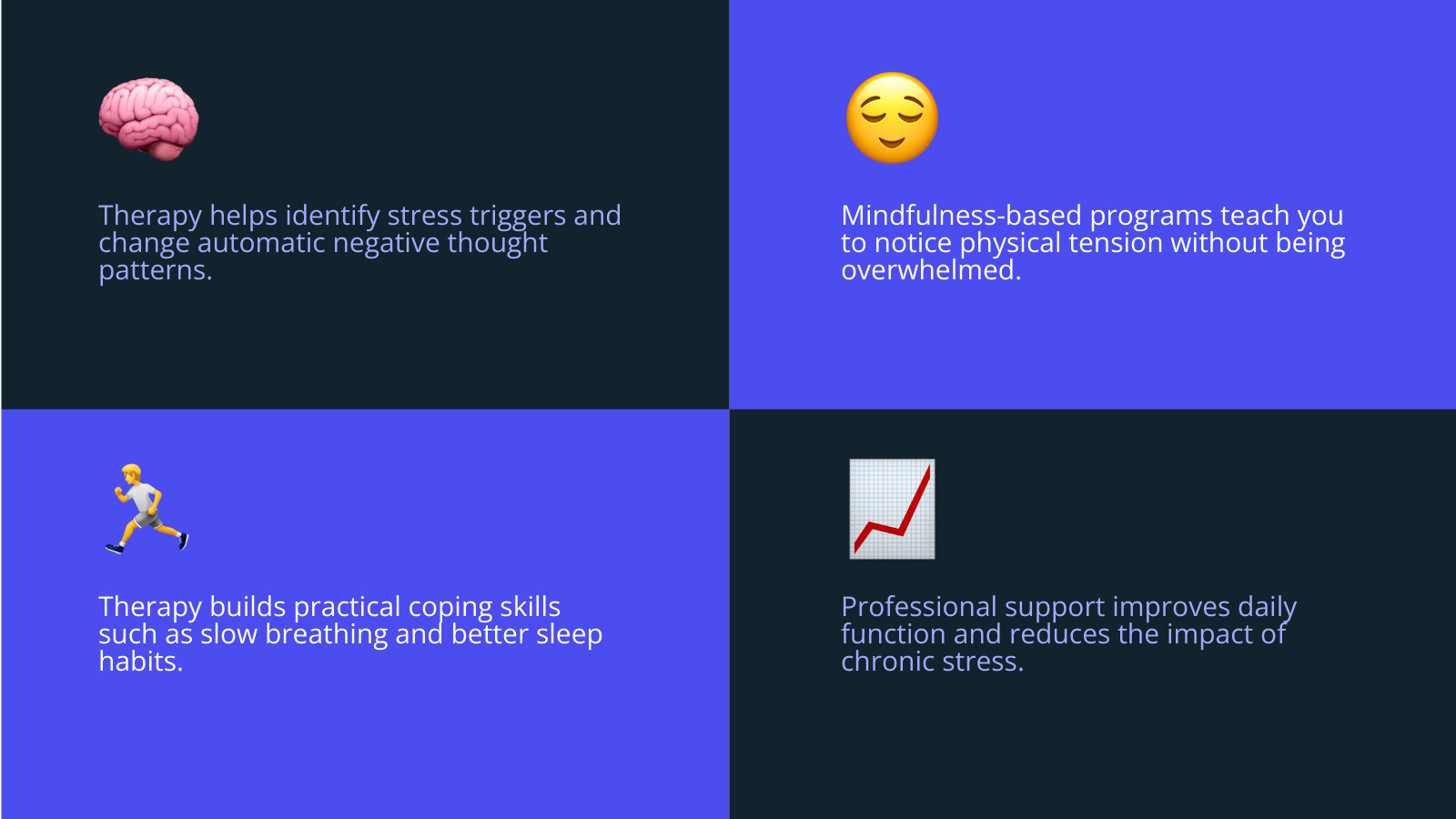
Therapy for stress relief helps you identify what triggers your stress, change unhelpful thought patterns, and build practical skills that calm both mind and body. Cognitive Behavioral Therapy can help you question stressful automatic thoughts and choose more useful responses. Mindfulness based programs teach you to notice thoughts and physical tension without getting pulled into them. A licensed therapist can tailor these tools to work stress, burnout, anxiety, sleep problems, or major life changes.
Stress is normal, but constant stress can affect focus, mood, sleep, relationships, and physical health. Self care tools such as walking, slow breathing, and better sleep can make a real difference. Yet therapy offers something self help cannot always provide: personalized support, clear goals, and a safe place to work through patterns that keep stress going.
If stress feels overwhelming, interferes with daily life, or leads to anxiety, low mood, substance use, or physical symptoms, professional support is a strong next step. Therapy can be available in person or through teletherapy, making it easier to fit care into a busy schedule.
Know your therapy for stress relief terms:
- stress management therapy techniques
- licensed therapist stress management
- daily stress management counseling
Understanding the Physical and Mental Impact of Chronic Stress
Stress is an evolutionary mechanism designed to keep humans safe from immediate threats. When the brain perceives a challenge, it initiates a complex chain reaction involving the autonomic nervous system and the hypothalamic-pituitary-adrenal axis. This biological cascade floods the bloodstream with hormones like adrenaline and cortisol, quickening the heart rate, elevating blood pressure, and diverting metabolic energy away from digestion and immune maintenance to prepare the muscles for action.
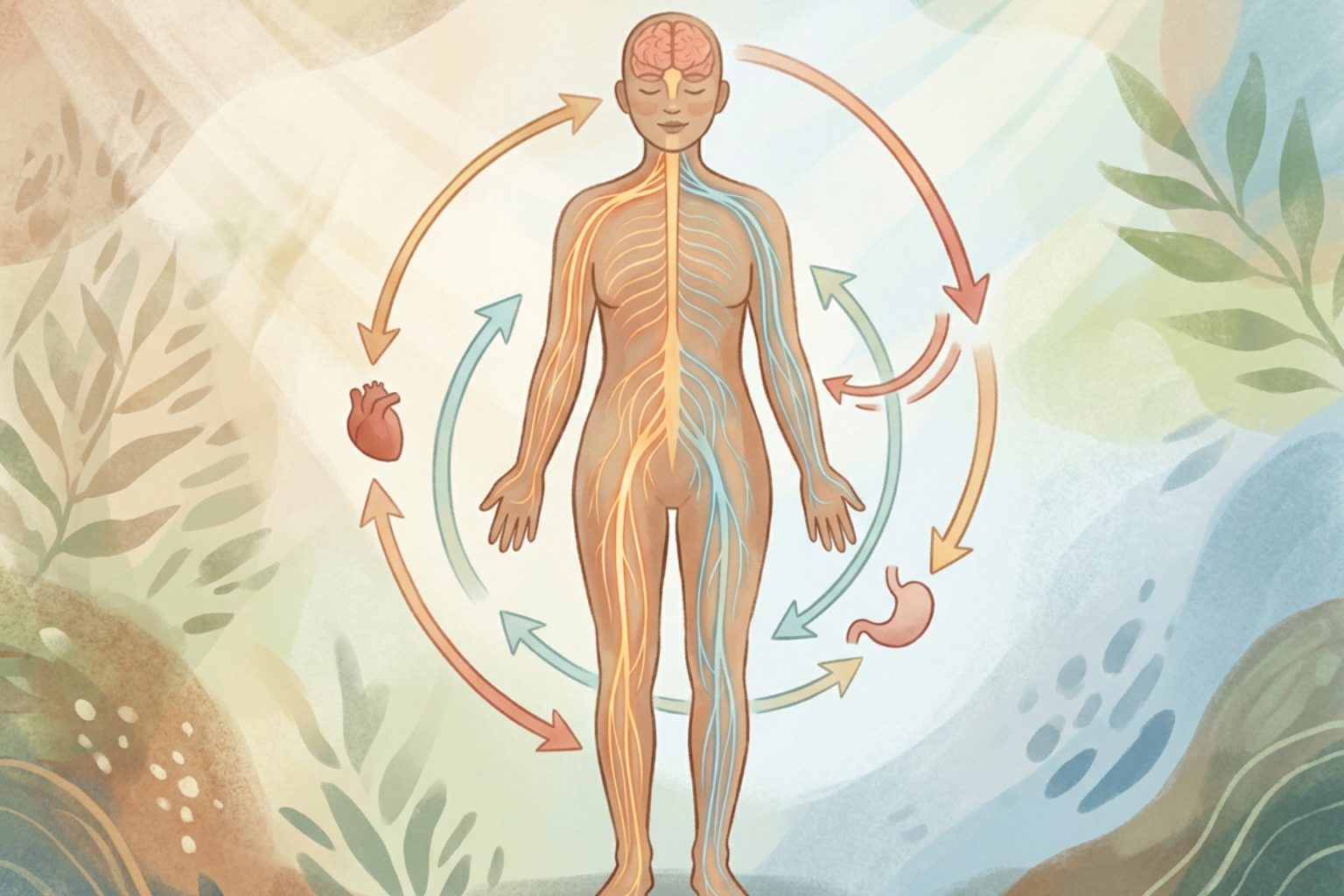
While this acute activation serves a protective purpose during short instances of danger, modern life often keeps this alarm system running without pause. When stressors become relentless, the body struggles to return to its natural resting baseline. Over time, persistent autonomic arousal strains physical health and emotional equilibrium.
According to scientific research on clinical stress management, chronic psychosocial strain dysregulates the body’s natural diurnal rhythm. Rather than experiencing healthy hormone fluctuations that peak in the morning and decline at night, an overtaxed system can cause chronic fatigue, sleep disruption, tension headaches, digestive distress, and cardiovascular strain.
Mentally, persistent tension impairs executive functioning within the prefrontal cortex. This makes concentration difficult, intensifies emotional reactivity, and fosters habitual cognitive patterns such as catastrophizing or feeling persistently overwhelmed. Understanding this physiological reality helps demystify stress: it is not a personal failing or a lack of willpower, but a measurable whole body state that responds effectively to structured, evidence based interventions.
Evidence Based Types of Therapy for Stress Relief
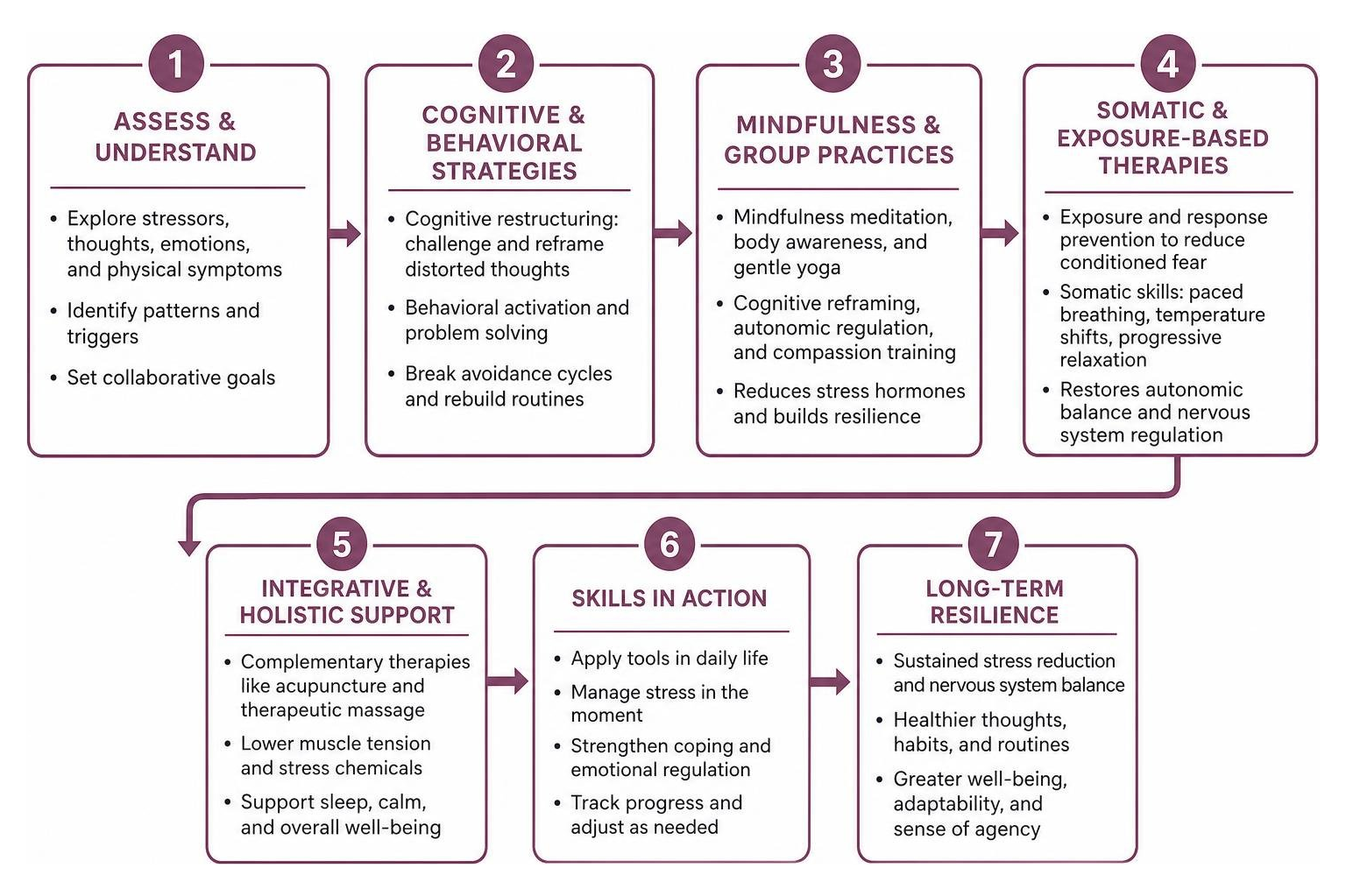
Psychotherapy offers structured methods to help people understand their stress patterns and retrain how their mind and body respond to difficult situations. Working alongside an empathetic professional establishes a strong therapeutic alliance, providing a reliable environment to process overwhelming emotions and unlearn reactive habits.

Different psychotherapeutic modalities address distinct facets of the human stress experience, from mental interpretations to nervous system regulation.
Cognitive Behavioral Therapy for Stress Relief
Cognitive Behavioral Therapy represents one of the most widely researched and empirically validated forms of modern psychotherapy. At its core, the cognitive model posits that emotional distress and physical tension are largely influenced by how a person interprets events, rather than solely by the external events themselves.
During challenging moments, the mind frequently generates automatic thoughts. When stress runs high, these thoughts are often distorted by cognitive traps such as all or nothing thinking, overgeneralization, or assuming the worst possible outcome.
As outlined in a clinical review of cognitive behavioral therapy, CBT is often delivered in structured weekly sessions, though treatment length varies depending on a person’s needs and the condition being addressed. In these collaborative sessions, individuals learn cognitive restructuring: identifying automatic thoughts, examining the underlying evidence, and replacing distorted interpretations with balanced, realistic viewpoints.
CBT also incorporates behavioral activation and problem solving skills to break the cycle of avoidance and exhaustion. For those navigating intense burnout or life transitions, engaging in comprehensive therapy for stress helps rebuild everyday routines and restores a sense of agency.
Mindfulness Based Stress Reduction and Group Interventions
Originally created in a clinical hospital setting, Mindfulness Based Stress Reduction combines mindfulness meditation, gentle body awareness, and accessible yoga into an eight week curriculum. Rather than attempting to suppress or force away stressful sensations, mindfulness cultivates nonjudgmental, present moment awareness. This practice allows individuals to observe thoughts and physical discomfort with curiosity rather than emotional reactivity.
The physiological benefits of these practices are well documented. In a clinical trial on integrative group psychotherapy, an eight-week program combining cognitive reframing, autonomic regulation, and compassion training reduced daily salivary cortisol output by a notable margin compared to active controls. Furthermore, the intervention led to measurable reductions in hair cortisol concentration at the end of treatment and at a six-month follow-up visit, demonstrating that structured therapeutic practices can lower cumulative, tissue-level stress hormones over time. The findings suggest that this type of structured, multicomponent intervention may reduce some biological markers associated with chronic stress, although larger studies are needed.”
Somatic and Exposure Based Psychotherapies
When stress stems from past trauma, panic triggers, or severe chronic worry, cognitive insights alone may not fully soothe an overactive nervous system. Somatic and exposure based therapies work directly with physiological responses and conditioned fear patterns to help restore autonomic balance.
Exposure therapy helps individuals systematically confront distressing situations, memories, or bodily sensations in a safe, gradual manner. Through repeated, guided exposure, individuals can reduce avoidance and learn new ways of responding to feared situations, memories, or bodily sensations.
According to Harvard Health findings on therapy for anxiety and stress, an eight to twelve session course of exposure therapy creates significant, lasting improvements for sixty to eighty percent of people, with benefits persisting for multiple years.
Complementary modalities like Dialectical Behavior Therapy integrate somatic distress tolerance skills that directly stimulate the vagus nerve. Techniques such as temperature-based strategies, paced breathing, and progressive relaxation can help reduce physiological arousal and promote a calmer state during moments of intense distress.
Integrative and Holistic Approaches to Stress Management
Navigating chronic tension often benefits from combining traditional talk therapy with body centered, holistic modalities. Because mental strain and physical symptoms continually influence one another, addressing the nervous system from multiple angles produces a more sustainable foundation for well being.
As highlighted in the Johns Hopkins guide to integrative stress treatments, complementary practices like acupuncture and therapeutic massage can be valuable additions to conventional psychological care. Acupuncture uses hair thin needles to gently stimulate the nervous and immune systems, aiding in the management of stress related sleep disturbances. Massage may also help relieve muscle tension and has been studied as a complementary approach for stress related problems such as anxiety and insomnia.
Lifestyle Foundations and Somatic Distress Tolerance
Daily physical habits establish baseline resilience against life pressures. Simple, consistent lifestyle behaviors directly influence how the nervous system navigates demanding circumstances.
According to evidence based stress relievers from Mayo Clinic, adopting practical, accessible somatic practices can interrupt the body’s acute stress cycle:
- Paced Diaphragmatic Breathing: Taking slow, controlled breaths can help promote relaxation and reduce feelings of physical tension.
- Progressive Muscle Relaxation: Systematically tensing specific muscle groups during an inhale and releasing them completely on an exhale heightens bodily awareness and releases stored muscular strain.
- Restorative Sleep Hygiene: Most adults require seven to nine hours of quality sleep each night to support emotional regulation and physiological repair. A consistent, screen-free bedtime routine in a cool, dark room helps stabilize mental focus.
- Low Intensity Movement: While rigorous exertion has its place, gentle activities like walking outdoors or practicing restorative yoga soothe an overtaxed system without causing unnecessary physical strain.
- Mindful Sensory Engagement: Engaging in creative arts, listening to soothing music, or focusing mindfully on everyday tactile tasks can quiet intrusive worries and ground awareness in the present moment.
Self Help Strategies vs. Professional Mental Health Support
Self-guided tools can help manage everyday stress, but they may not be enough for everyone. When stress is persistent, significantly affects daily functioning, or occurs alongside other mental health concerns, working with a trained mental health professional may be helpful.
Evaluating Professional Therapy for Stress Relief vs. Self Care
Self directed tools provide accessible, low barrier techniques to manage acute, daily fluctuations in tension. A multisite study on self administered mindfulness found that standalone fifteen minute guided mindfulness exercises, particularly body scan meditations, produced meaningful short term reductions in self reported stress.
However, self guided tools primarily address transient state anxiety. When stress becomes chronic, deeply ingrained cognitive patterns, unresolved emotional wounds, or systemic life challenges often require the guidance of a trained mental health professional.
| Dimension | Self Help Strategies | Professional Therapy Interventions |
|---|---|---|
| Primary Focus | Immediate symptom reduction and daily relaxation | Deep exploration of root causes, schemas, and long term coping |
| Structure | Self paced, informal, and self directed | Empirically validated protocols tailored to the individual |
| Accountability | Relies entirely on personal motivation | Collaborative guidance with professional support |
| Application | Mild, everyday situational tension | Chronic stress, functional impairment, burnout, and co occurring mood issues |
| Feedback Loop | Generalized tools without objective evaluation | Real time clinical adjustments, feedback, and skill development |
The Role of Medication in Stress Management
There is no singular medical product designed specifically to treat stress itself. However, when persistent tension leads to significant co occurring symptoms like severe anxiety, major depressive episodes, or chronic sleep disturbances, healthcare professionals may consider pharmacological options alongside psychotherapy.
CBT is an evidence-based treatment for many mental health conditions and may be used alone or alongside medication when appropriate. When appropriate, a licensed physician or psychiatrist can coordinate nonpharmacological therapies and medical care to ensure a balanced, comprehensive treatment plan.
Frequently Asked Questions About Stress Relief
When should someone consider professional therapy for stress?
Professional support is worth considering when stress begins interfering with your ability to carry out everyday routines at work, home, or school. If you notice persistent sleep disruption, physical exhaustion, frequent irritability, social withdrawal, or an increasing reliance on unhelpful coping habits, consulting a licensed mental health professional can provide clarity and relief.
You do not need to wait for a crisis to benefit from care; seeking help early equips you with sustainable tools before stress leads to deeper burnout.
How long does therapy take to relieve chronic stress?
A standard course of structured psychotherapy, such as Cognitive Behavioral Therapy, often consists of weekly sixty minute sessions over eight to twelve weeks. Many people begin noticing positive shifts in their perspective and physical tension within the first few sessions as they learn practical grounding and reframing exercises.
Longer term therapy may be chosen to explore complex life patterns, relational dynamics, or ongoing professional pressures.
What is the most effective therapy for ongoing stress?
The most effective approach is one tailored to your specific personality, history, and life circumstances. Cognitive Behavioral Therapy is widely regarded as a leading evidence based choice for transforming unhelpful thought cycles and behavioral patterns.
Mindfulness Based Stress Reduction and acceptance oriented approaches excel at fostering present moment calm and physiological regulation. Many clinicians utilize an integrative style, blending cognitive, somatic, and relational techniques to provide comprehensive care.
Conclusion
Chronic stress can feel all consuming, but you do not have to navigate its physical and emotional weight alone. Developing mental resilience involves a blend of self compassion, healthy lifestyle foundations, and practical coping tools that calm both mind and body.
When daily demands become overwhelming, professional counseling offers the structured guidance and personalized care needed to regain balance. Taking the step to find a therapist allows you to connect with a skilled clinician who accepts insurance and understands your unique goals, helping you build lasting calm, clarity, and control.